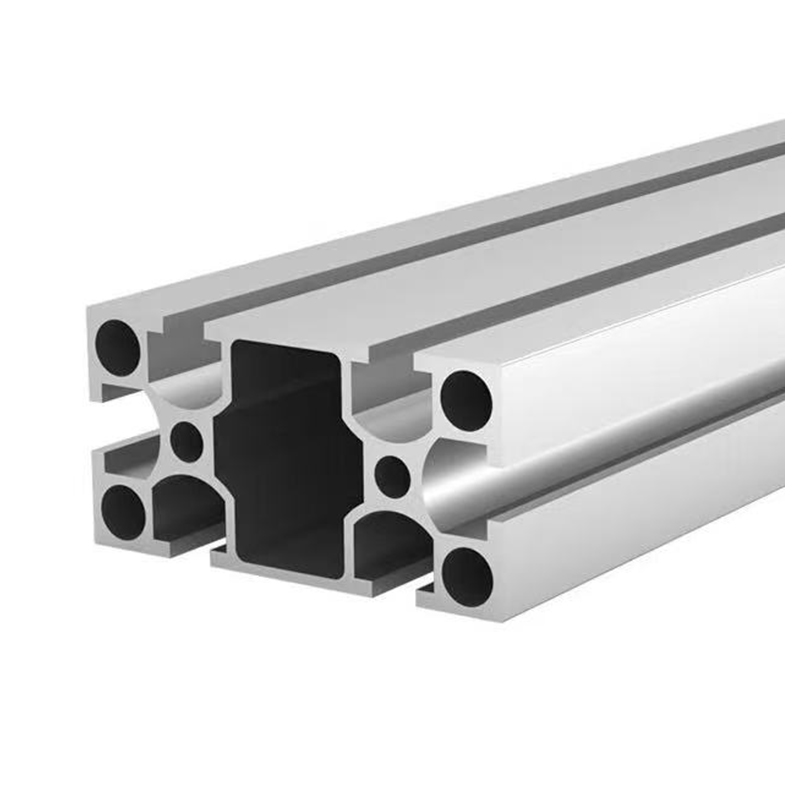
A curtain wall fabricator receives a delivery of anodized 6063 profiles. Alloy certificates check out, lengths match the cutting list, and the finish looks clean. Then, during assembly, two mullions refuse to align: one end of a four-meter profile is twisted roughly 15 mm out of plane. The purchase order named the alloy, the temper, and the anodizing thickness, but it never referenced an aluminum extrusion standard. The reorder took three weeks, and the fabricator missed the installation deadline.
The lesson is straightforward. Aluminum extrusion standards exist to give buyer and supplier one shared, measurable definition of quality. ANSI H35.2, ASTM B221, and EN 755 define what "within tolerance" means for a profile's chemistry, strength, and geometry. If you buy extruded profiles for windows, solar mounting systems, or automotive parts, understanding these standards is not paperwork. It is the difference between a smooth production run and a rejected lot.
Content
Aluminum extrusion standards fall into three groups, and each group answers a different question.
Material standards define the metal itself. ASTM B221 covers aluminum and aluminum-alloy extruded bars, rods, wires, profiles, and tubes, setting the allowed chemical composition for each alloy and the minimum mechanical properties for each temper. EN 755 serves the same function in European and many export markets. When you write 6063-T6 on a drawing, the supplier knows what strength and elongation to verify.
Dimensional tolerance standards define the geometry of the finished profile. The most widely used references are ANSI H35.2 in North America and EN 755-9 in Europe. ANSI H35.2 is the formal designation for the dimensional tables published in the Aluminum Association's Aluminum Standards and Data. These tables assign permitted deviations for cross-sectional dimensions, length, straightness, twist, flatness, contour, angularity, squareness of cut ends, and corner and fillet radii.
Finish standards apply when a profile is anodized or powder coated, covering coating thickness, color, adhesion, and weathering resistance. For architectural profiles, the interaction between alloy and finish is significant, which is why a sound specification states both alloy and temper and the finish standard.
Choose the alloy and temper before you argue about tolerances, because the material determines what tolerances are achievable in production.
For architectural sections such as window frames, 6063 is the default. It extrudes cleanly, takes a smooth finish, and resists corrosion. 6063-T5 suits simple sections, and 6063-T6 is used when greater strength is required. For structural frames, equipment, and load-bearing parts, 6061-T6, 6005A-T6, and 6082-T6 are common because of their higher yield strength.
| Alloy | Temper | Typical applications |
|---|---|---|
| 6063 | T5, T6 | Windows, doors, curtain walls, railings |
| 6061 | T6 | Structural frames, platforms, brackets |
| 6005A | T6 | Roof structures, high-load profiles |
| 6082 | T6 | Industrial machinery, load-bearing assemblies |
Temper selection deserves attention. T5 means the profile is artificially aged directly after extrusion cooling. T6 adds a separate solution heat treatment and quenching step before aging, which usually raises strength but introduces more dimensional movement during quenching. That is why material standards and dimensional standards must be read together. If you are deciding whether 6063-T5 fits your product, a practical guide to 6063-T5 properties, uses, and design tips explains the trade-offs.
The most common mistake in extrusion procurement is assuming that one tolerance value applies to the entire profile. It does not.
ANSI H35.2 separates extruded shapes into solid, semi-hollow, and hollow profiles, and each class has its own tolerance tables. Cross-sectional dimension tolerances also widen as the nominal dimension grows. A 10 mm leg on a solid profile is held differently than a 200 mm face on the same profile, and a hollow profile with the same outside size has different limits because die design and cooling behavior differ.
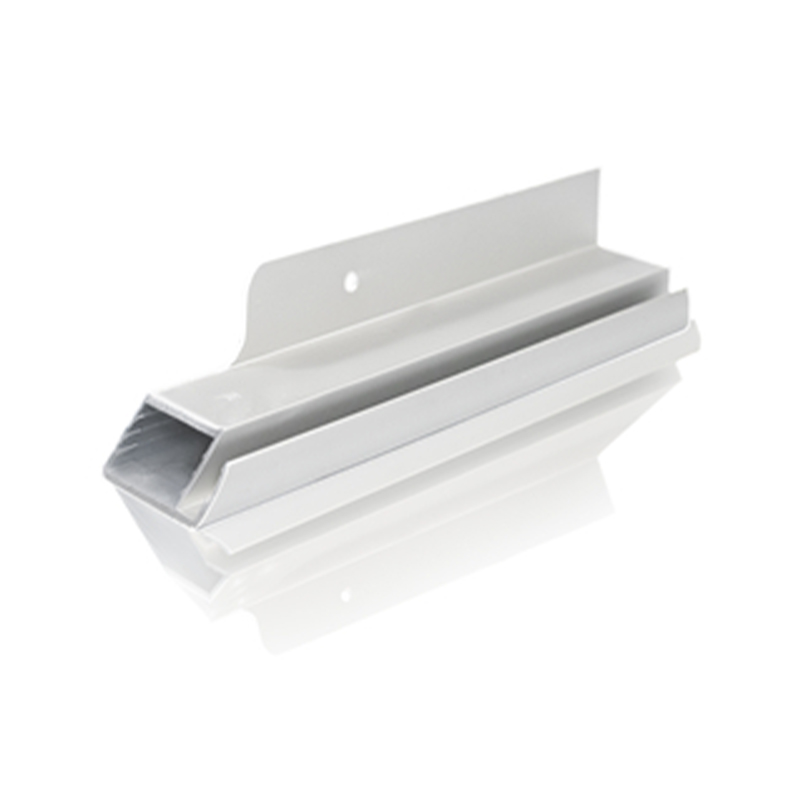
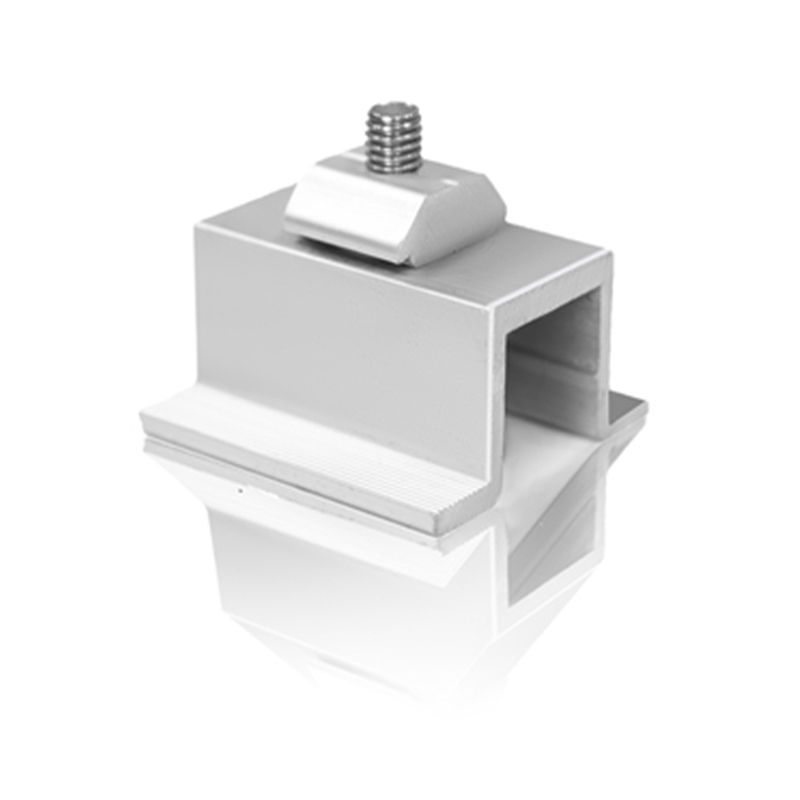
Length, straightness, twist, and flatness each have their own tables. The practical takeaway: write "tolerances per ANSI H35.2" or "per EN 755-9" on the drawing, identify the few functional dimensions that need tighter limits, and state those limits explicitly. For a solar panel frame, flatness of the face that seats the panel is functionally critical, while the radius of a vent hole is not. That is why aluminum solar panel frames are specified with attention to seating-surface flatness while other dimensions stay at standard values.
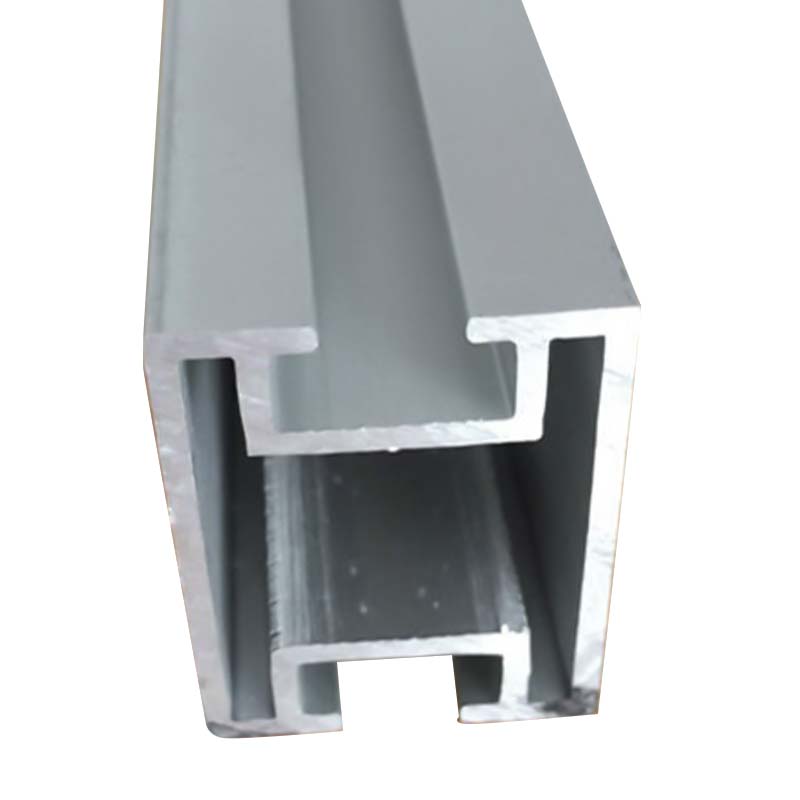 Aluminum Solar Panel Frames Suppliers, Factory - Anhui Huilong Group Huilv New MHuilv is Aluminum Solar Panel Frames Suppliers and Bulk Aluminum Solar Panel Frames Factory in China, Wholesale Aluminum Solar Panel Fram...View Product →
If you have seen a profile that looked straight on the floor but would not align in a fixture, you know why these three features have dedicated tolerance tables.
Straightness is measured as the maximum deviation from a true line over a specified span. Long profiles are never perfect, and the standard does not demand it. But when several profiles are joined into a frame, a small bow in each piece accumulates into a visible gap.
Twist is rotation of the cross-section around the longitudinal axis. It is the most common hidden cause of poor joints, because it is hard to detect by eye. Flatness is measured on individual surfaces and matters wherever a bracket is bolted or bonded to the profile.
Cut-end squareness is one more parameter the standards cover. A saw cut that is square to the profile axis keeps miters tight and simplifies drilling and tapping. The tolerance for cut-end squareness is small, but if you order very short lengths, the end effect becomes a larger fraction of each piece.
A useful way to see these tolerances in practice is to inspect a real product family. Our non-thermally broken casement window profile range illustrates how consistent section geometry and clean cut ends support tight corner miters.
Standard tolerances are intentionally generous. Trying to tighten everything will raise your price and your reject rate. What matters is matching tolerances to function.
Tighter-than-standard tolerances are justified when:
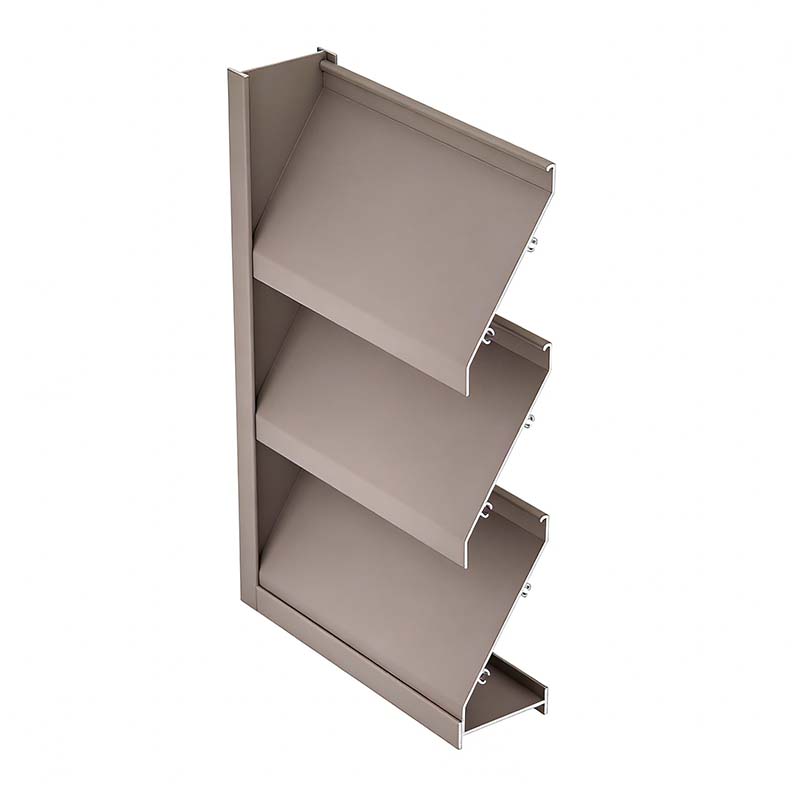
For these cases, name the specific dimensions, state the tolerance numerically, and confirm capability with the extruder before tooling is cut. A reliable producer will tell you honestly what is achievable in hard tooling and what requires secondary machining. Industrial users who build framing systems with assembly line aluminum profiles depend on this predictability: when slot geometry and straightness stay inside a controlled range, every later assembly step becomes easier.
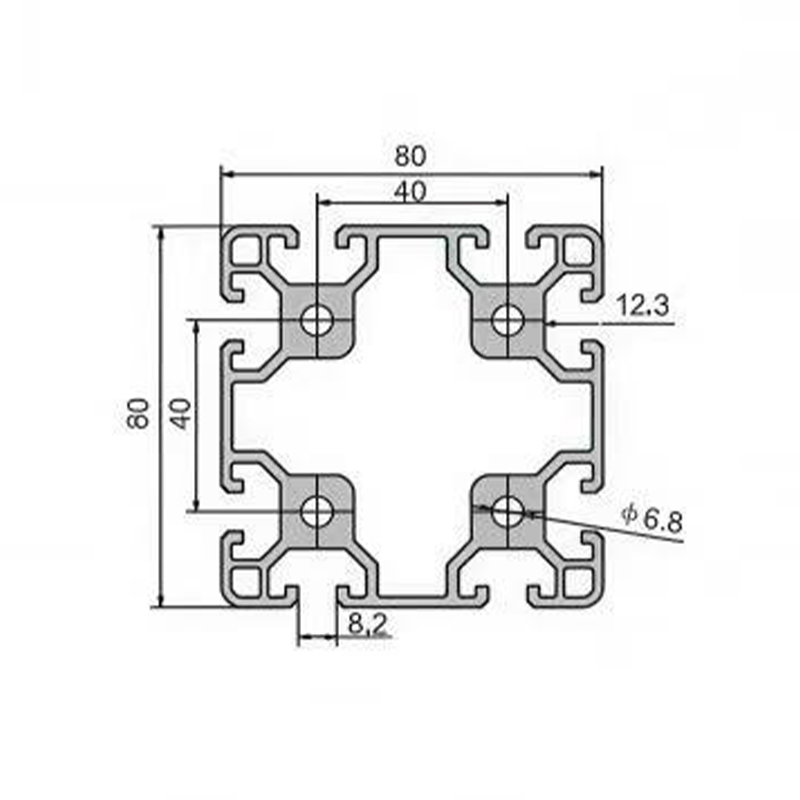 Assembly Line Aluminum Profiles Suppliers, Factory - Anhui Huilong Group Huilv NHuilv is Assembly Line Aluminum Profiles Suppliers and Bulk Assembly Line Aluminum Profiles Factory in China, Wholesale Assembly Line Alu...View Product →
A complete extrusion specification is not long, but it must be precise.
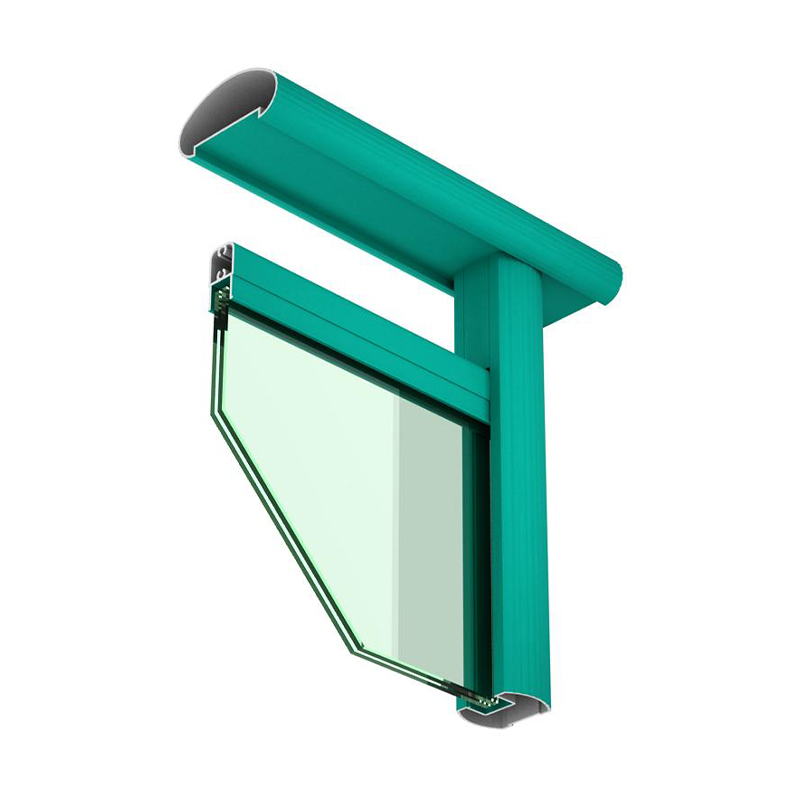
When window and door systems involve a thermal break, an additional tolerance interaction appears: two aluminum halves are extruded separately and then joined with polyamide strips, so each half must hold its cross-section tolerance before the joining step. This is why buyers of thermal-break aluminum casement window profiles usually approve section geometry before the first production run.
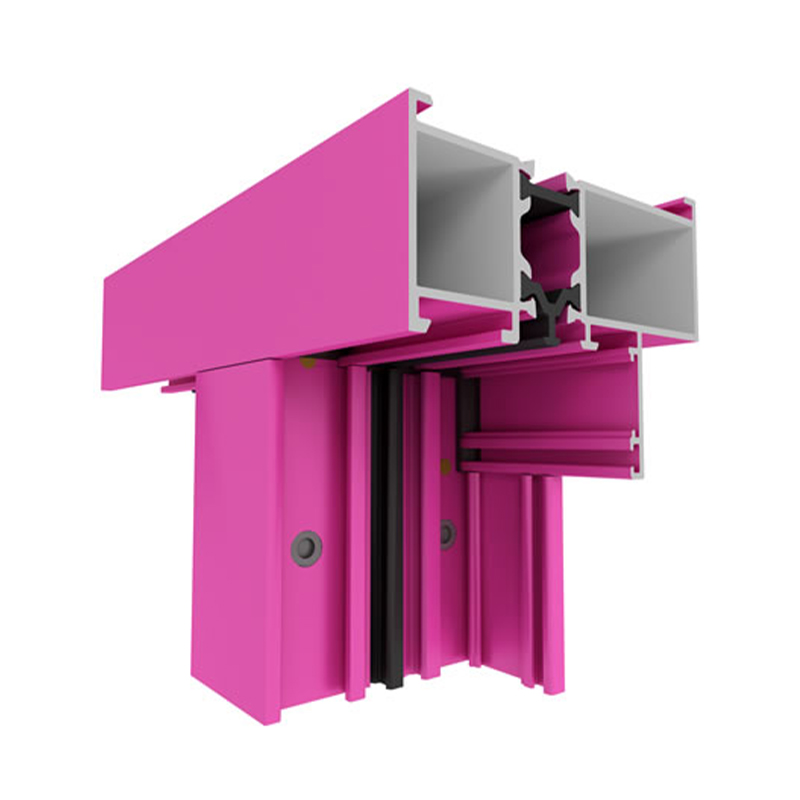 Thermal Break Aluminum Casement Windows Profiles Suppliers, Factory - Anhui HuilHuilv is Thermal Break Aluminum Casement Windows Profiles Suppliers and Bulk Thermal Break Aluminum Casement Windows Profiles Factory in ...View Product →
Standards are also revised periodically, so name the edition or year on your drawing. A tolerance that was valid in one edition may differ in the next. If your team is not certain which edition applies, ask the supplier to confirm before the contract is signed.
Aluminum extrusion standards will not design the profile for you, and they will not replace a competent engineer. What they do is create a precise, enforceable language for quality. When your drawing says 6063-T6, tolerances per ANSI H35.2, and the supplier verifies those criteria before shipping, the chance of a twisted profile reaching your assembly line drops dramatically.
The next time you issue a request for quotation, include the standard, the edition, the alloy, and the functional tolerances. You will receive more accurate pricing, fewer surprises at incoming inspection, and parts that fit when they reach the line. That is the real purpose of aluminum extrusion standards.
 +86-19156366875
 No. 1016, Baocheng Road, Economic and Technological Development Zone, Xuancheng City, Anhui Province, China
Copyright © Anhui Huilong Group Huilv New Material Technology Co., Ltd. All Rights Reserved
Aluminum Profiles Manufacturers