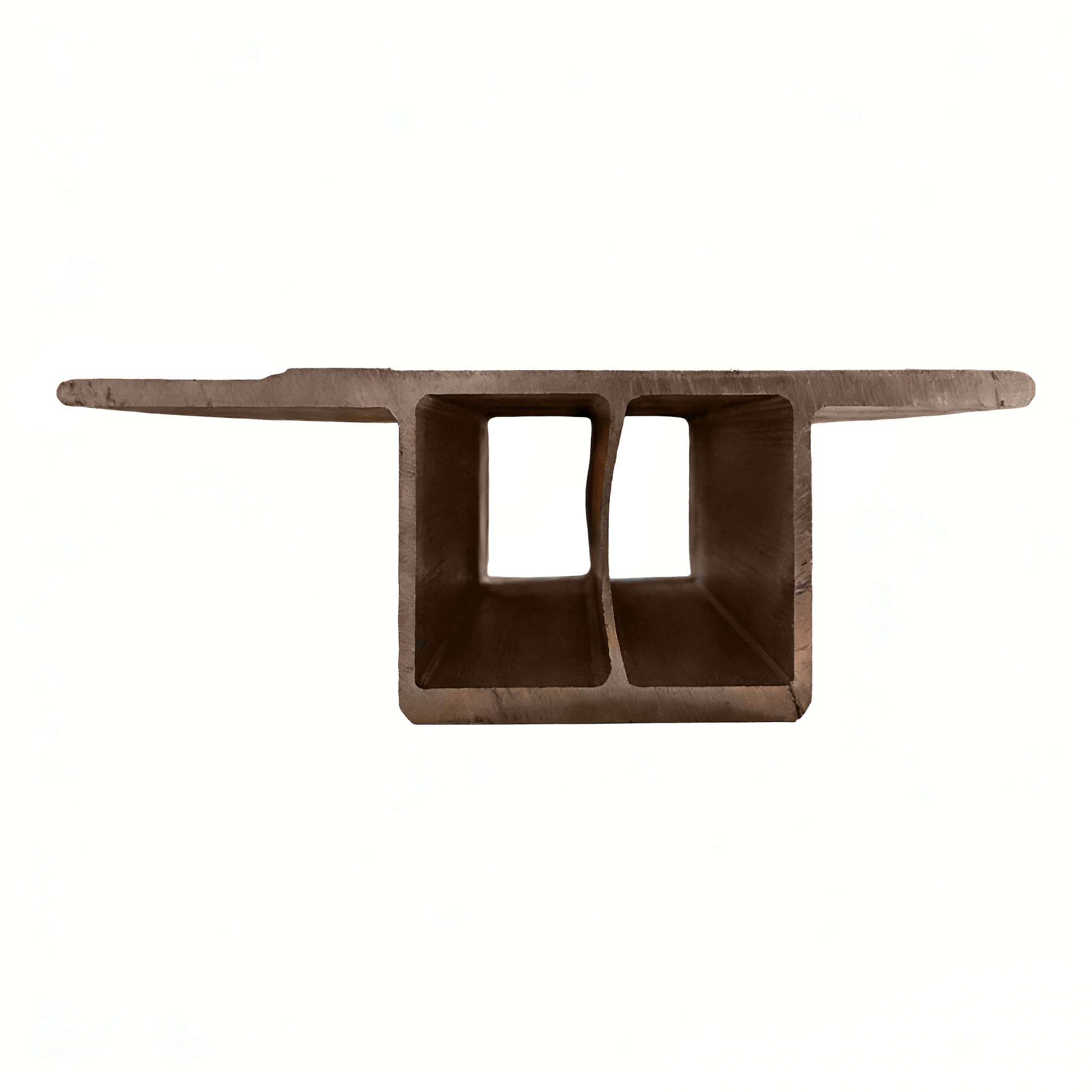
Over the years, we’ve worked with countless engineers and architects who rely on the Aluminum Design Manual as their go‑to reference for safe, efficient aluminum structures. Published by the Aluminum Association, this manual brings together the Specification for Aluminum Structures, commentary, design examples, and material properties. Whether you are designing a curtain wall or a lightweight automotive component, the manual provides the rules you need. At Hui Lü, we’ve been extruding and fabricating aluminum profiles for decades, and we know firsthand how critical it is to align production capabilities with these standards. In this article, I’ll walk you through the manual’s core components and share practical ways to apply them in real‑world projects.
Content
The Aluminum Design Manual (ADM) is divided into several sections. The main Specification sets out allowable stress design (ASD) and load and resistance factor design (LRFD) methods, covering tension, compression, bending, shear, and combined stresses. It also addresses welded and bolted connections, fatigue, and serviceability. The commentary explains the reasoning behind each provision, while the design examples show how to apply the formulas step‑by‑step. The material properties section lists common alloys—like 6061‑T6 and 6063‑T5—along with their mechanical values, which is especially useful when selecting a profile for a specific load condition.
For anyone new to aluminum, the ADM also includes information on buckling, local buckling, and the effects of heat‑affected zones from welding. Because aluminum has a lower modulus of elasticity than steel, stability often governs the design. The manual provides clear design charts and tables to handle these challenges. Many of our customers at Hui Lü start their projects by referencing these tables, then come to us with a clear idea of the cross‑section and temper they need.
Architectural applications—windows, doors, curtain walls, railings, and sunshades—demand both structural integrity and aesthetic precision. The ADM helps engineers size the mullions, transoms, and frame members correctly. For example, when designing a curtain wall, wind load is the primary lateral load, and the manual’s provisions for deflection limits ensure that the glass remains safely supported. We often see specifiers choose 6063‑T5 or T6 alloys for these profiles because they offer a good balance of strength, corrosion resistance, and extrudability.
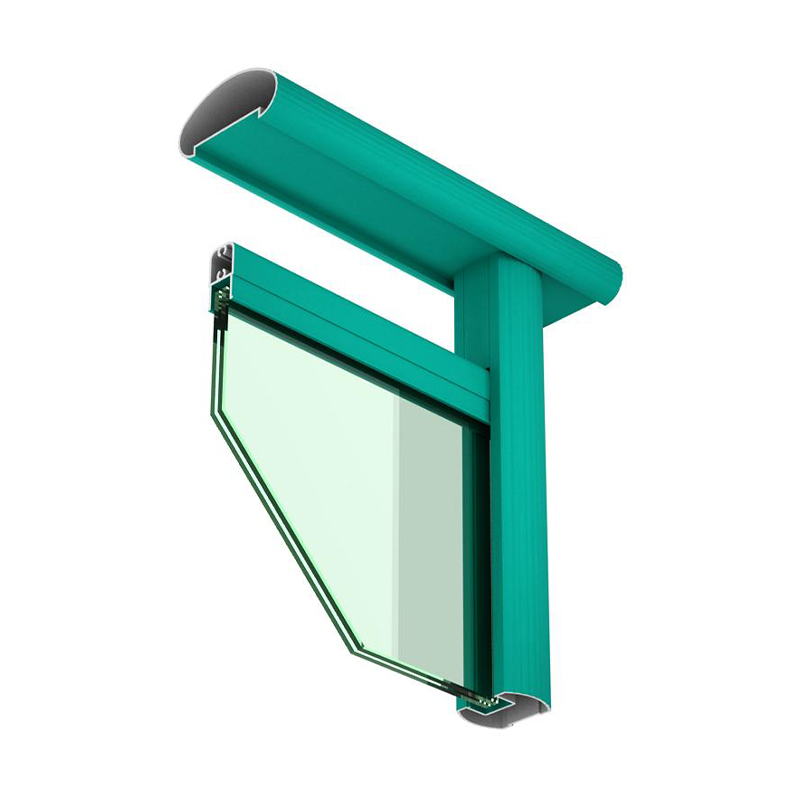
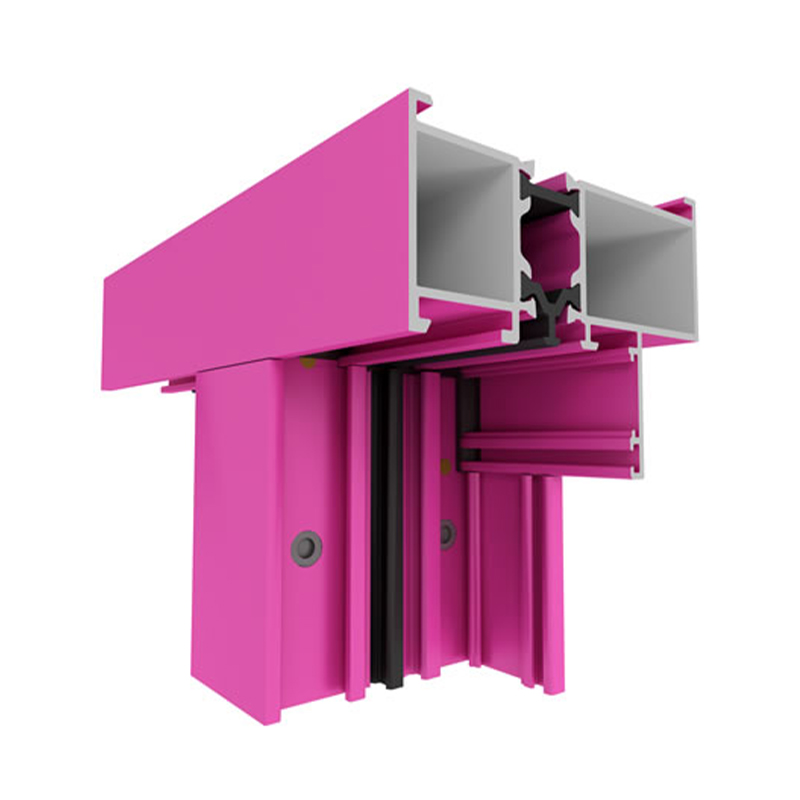 Thermal Break Aluminum Casement Window Profiles with PA66 InsulationThese multi-chamber profiles use PA66 GF25 thermal break strips to reduce heat transfer, supporting energy code compliance. The ADM manual helps engineers verify performance under combined thermal and wind loads, making them a reliable choice for modern architectural glazing.View Product →
At Hui Lü, we manufacture a wide range of architectural profiles, including thermal‑break casement window profiles that meet the latest energy codes. The ADM’s guidelines for combined thermal and structural loads are directly applicable here. By consulting the manual, designers can confidently specify a profile that will perform under both wind pressure and thermal expansion. For a deeper dive into how curtain wall profiles balance aesthetics with engineering, check out our article on aluminum curtain wall design principles.
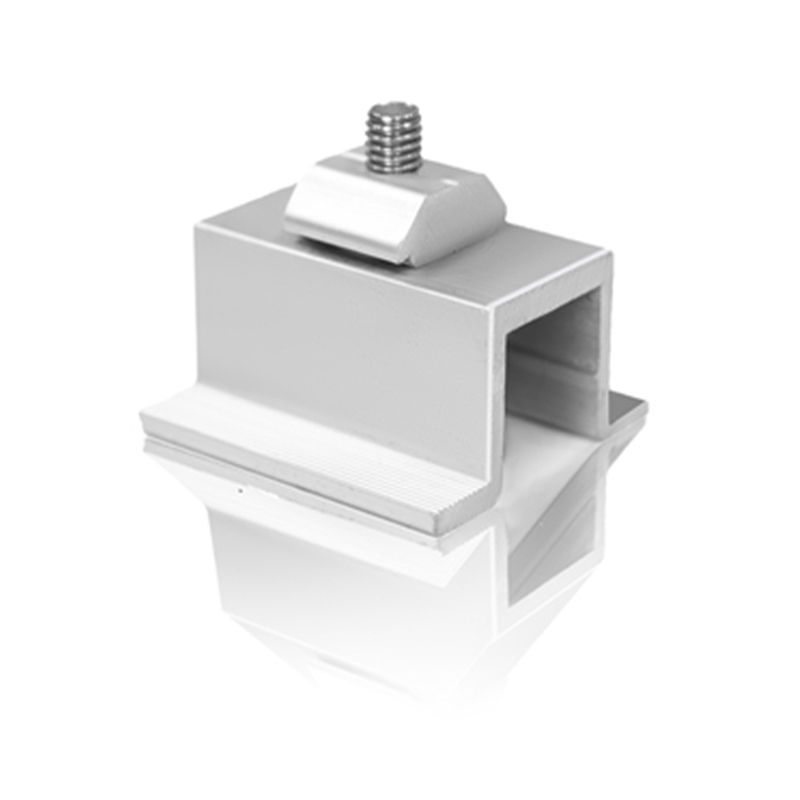
Solar panel frames and mounting brackets must withstand snow, wind, and thermal cycling while maintaining alignment over decades. The ADM’s fatigue and corrosion provisions are especially relevant here, because aluminum’s natural oxide layer provides excellent durability. We produce aluminum solar panel frames and mounting brackets that comply with these standards. The manual helps engineers determine the minimum thickness for load‑bearing sidewalls and the acceptable stress levels for the corner joints.
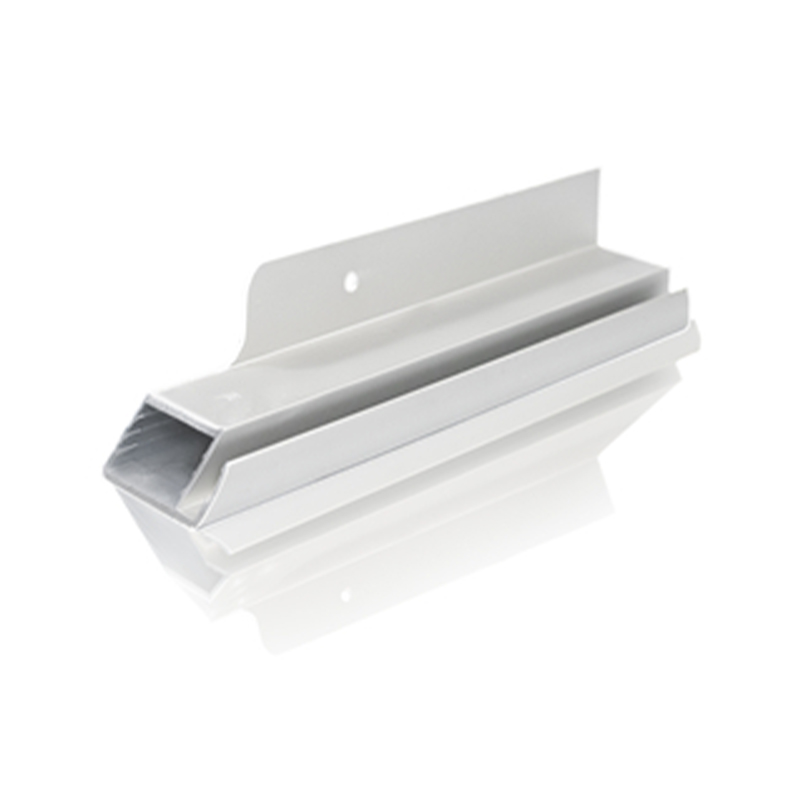
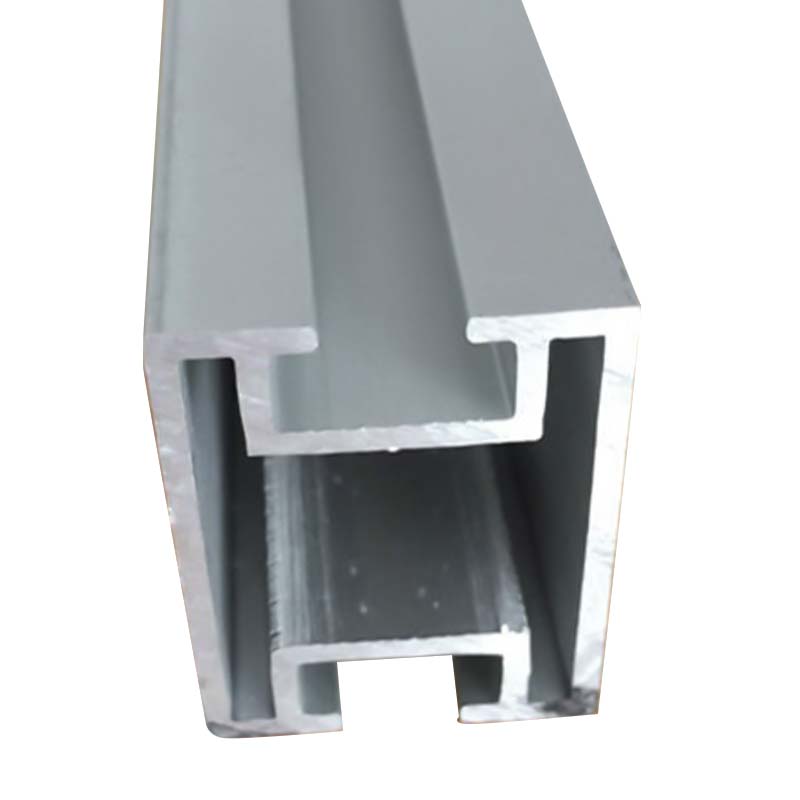 Lightweight Corrosion-Resistant Aluminum Solar Panel FramesDesigned for long-term outdoor use, these frames offer high strength and dimensional accuracy for efficient assembly. The ADM’s fatigue and corrosion provisions guide thickness and stress limits, ensuring the profiles withstand snow, wind, and thermal cycling in photovoltaic systems.View Product →
When you pair the ADM’s design rules with the extrusion technology we apply, you get a reliable system that installs quickly and lasts. Many of our solar customers appreciate that we can provide profiles with tight tolerances, which is critical for automated assembly lines. For more on why photovoltaic profiles are essential for modern solar systems, take a look at our industry insights.
In the automotive sector, weight reduction is the name of the game. The ADM gives engineers the tools to design crash‑management components like crash boxes, bumper beams, and battery trays. These parts often use 6061 or 6082 alloys in T6 temper to absorb energy during impact. The manual’s sections on local buckling and interaction of stresses are vital when optimizing thin‑walled sections. We manufacture automotive crash boxes and battery trays that have passed rigorous testing, partly because we follow the same methodologies outlined in the ADM.
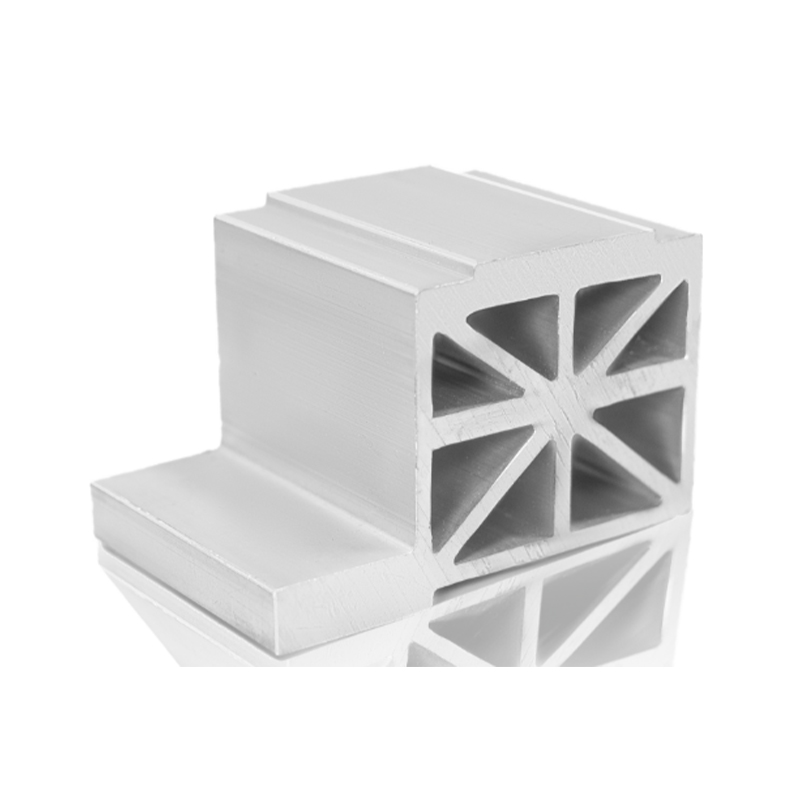 High-Strength Lightweight Battery Tray Aluminum ProfilesOptimized for new energy vehicles, these profiles provide excellent heat dissipation and structural support. Following ADM methodologies for local buckling and stress interaction helps achieve crash safety and weight reduction, meeting rigorous automotive testing standards.View Product →
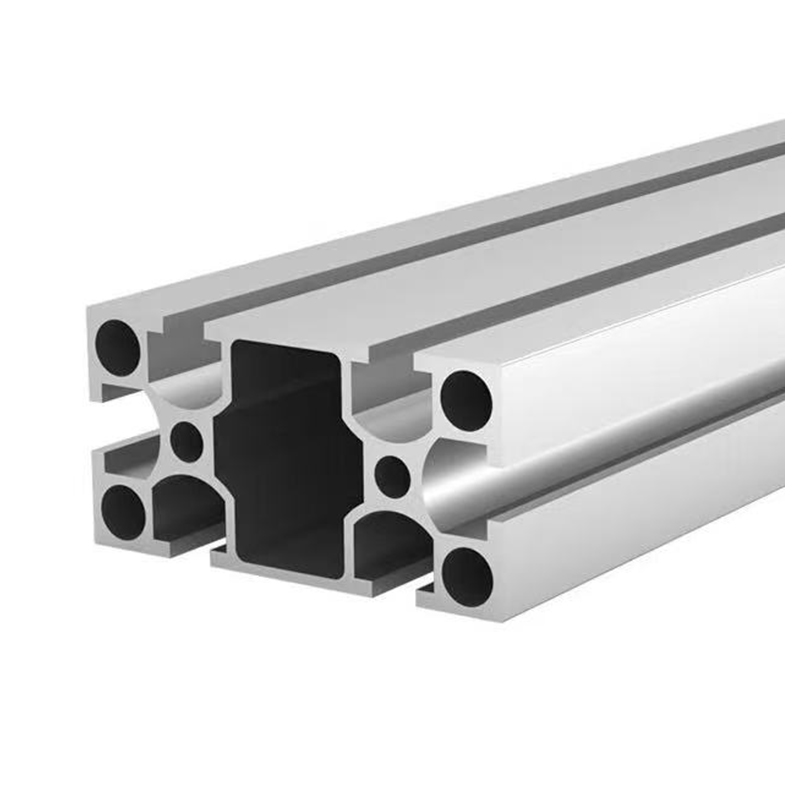
For industrial assembly lines and medical equipment, the ADM provides a framework for designing extruded frames and supports. T‑slot profiles, for instance, borrow heavily from the manual’s guidance on bolted connections and deflection limits. Our automotive crash box aluminum profiles are a good example of how we apply these principles to real production runs.
Choosing the right alloy is the first step in any successful aluminum design. The ADM includes a material section that lists mechanical properties, allowable stresses, and typical uses for alloys like 6063, 6061, 6005, and 5083. For extrusions used in buildings, 6063‑T5 is popular because of its excellent surface finish and moderate strength. When higher strength is needed, 6061‑T6 is often selected. We have extensive experience extruding both alloys and can help you determine which temper best suits your design loads.
Temperature effects, stress‑corrosion cracking, and weldability are also covered in the manual. For example, the strength of heat‑treated alloys can be reduced in the heat‑affected zone (HAZ) after welding; the ADM provides reduction factors that must be applied. If you are new to aluminum, we recommend reading our detailed guide on 6063‑T5 properties, uses, and design tips, which ties directly into the manual’s tables.
Whether you are an experienced structural engineer or an architect exploring aluminum for the first time, the Aluminum Design Manual is an indispensable resource. At Hui Lü, we not only follow these standards in our own production but also assist customers in interpreting the manual for their unique applications. By combining the rigorous design rules of the ADM with our hands‑on extrusion and fabrication expertise, we deliver profiles that perform exactly as required—project after project.
 +86-19156366875
 No. 1016, Baocheng Road, Economic and Technological Development Zone, Xuancheng City, Anhui Province, China
Copyright © Anhui Huilong Group Huilv New Material Technology Co., Ltd. All Rights Reserved
Aluminum Profiles Manufacturers