Aluminium alloy composition is a topic we deal with every day. As an aluminium profile manufacturer, we see how a few tenths of a percent of magnesium or silicon can turn a soft metal into a strong structural profile. In this article, we explain what aluminium alloy composition means, which alloying elements matter most, how the common series differ, and how to choose the right composition for building, solar, automotive, and industrial components.
Content
Aluminium alloy composition refers to the percentages of aluminium and intentionally added elements in a given alloy. Pure aluminium is ductile, lightweight, and corrosion resistant, but it has relatively low mechanical strength. By adding elements like silicon, magnesium, copper, manganese, and zinc, manufacturers create alloys with specific combinations of strength, formability, weldability, and corrosion resistance. Composition is normally expressed in weight percent, and precise control is essential for consistent extrusion and finishing.
Every element in an aluminium alloy has a job to do. Some improve strength, some refine the grain structure, and some simply improve castability. The table below summarizes the most common alloying elements we work with.
| Element | Typical Wt % | Main Contribution | Common Series |
|---|---|---|---|
| Silicon (Si) | 0.2–13% | Lowers melting point; improves castability; with Mg forms Mg2Si for strength | 4000, 6000 |
| Magnesium (Mg) | 0.2–5.5% | Adds solid-solution strength; improves corrosion resistance and weldability | 5000, 6000 |
| Copper (Cu) | 0.1–6.3% | Increases strength and machinability; lowers corrosion resistance | 2000, 7000 |
| Manganese (Mn) | 0.1–1.5% | Improves strength and work-hardening rate | 3000 |
| Zinc (Zn) | 1–8% | Major strengthener in 7000 series when combined with Mg and Cu | 7000 |
| Chromium (Cr) | 0.1–0.4% | Controls grain structure; improves stress-corrosion resistance | 5000, 6000, 7000 |
| Iron (Fe) | 0.1–0.8% | Usually an impurity; increases strength but reduces ductility | All |
| Titanium (Ti) | 0.01–0.2% | Refines grain structure during casting | All |
These elements rarely work alone. In 6000 series alloys, for instance, magnesium and silicon combine to create the Mg2Si phase, which is responsible for the increase in strength after heat treatment. This is why composition is so tightly controlled during billet casting.
Wrought aluminium alloys are divided into series according to their principal alloying element. The series gives a quick indication of the alloy’s behavior and suitable applications. Casting alloys, by contrast, are melted into molds, and their silicon content can be as high as 13% to improve fluidity.
The 1000 series has a minimum aluminium content of 99%. It offers excellent corrosion resistance, electrical conductivity, and thermal conductivity, but low strength. Typical uses include electrical busbars, chemical equipment, and heat exchangers.
Copper is the main addition in the 2000 series. These alloys are heat-treatable and achieve high strength, which makes them valuable in aerospace and high-performance automotive components. The trade-off is lower corrosion resistance, so protective coatings are often required.
Manganese is the principal addition in the 3000 series. It raises strength without dramatically reducing formability. These alloys are common in roofing sheets, heat exchanger fins, and beverage can bodies.
Silicon lowers the melting point and improves fluidity during casting. Some 4000 series alloys are used as welding filler material, while cast versions appear in engine components and other complex shapes.
Magnesium is the main alloying element in the 5000 series. These alloys have good weldability and outstanding resistance to seawater corrosion, making them popular in marine environments, pressure vessels, and tank construction.
The 6000 series combines magnesium and silicon and is the backbone of the aluminium extrusion industry. Alloys such as 6060, 6063, and 6061 are heat-treatable, easy to extrude, and offer an excellent balance of strength, corrosion resistance, and surface quality. For example, 6063 typically contains 0.2–0.6% silicon and 0.45–0.9% magnesium, while 6061 adds copper and chromium for higher strength. If you want to understand more about how a typical extrusion alloy behaves, our 6063-T5 extrusion guide covers the details.
The 7000 series uses zinc as the principal element, often with magnesium and copper. These are the highest-strength aluminium alloys and are used in aerospace, bicycle frames, and automotive crash structures where energy absorption is critical.
| Series | Main Elements | Key Characteristics | Typical Applications |
|---|---|---|---|
| 1000 | ≥99% Al | High conductivity, low strength | Electrical, chemical equipment |
| 2000 | Cu | High strength, lower corrosion resistance | Aerospace, automotive |
| 3000 | Mn | Moderate strength, good formability | Roofing, heat exchangers |
| 4000 | Si | Low melting point, good castability | Welding wire, cast parts |
| 5000 | Mg | Excellent corrosion resistance | Marine, tanks |
| 6000 | Mg, Si | Good strength, extrudability, finishing | Architectural, solar, automotive |
| 7000 | Zn, Mg, Cu | Very high strength | Aerospace, crash components |
From our experience in the workshop, composition is not just a theoretical specification. It affects the entire production chain. Below are the most important practical effects we monitor.
This is why we insist on verified billet certificates and in-house chemical checks before production. A small deviation in composition can cause a visible difference in surface appearance or mechanical performance.
When customers ask us for advice, we always review the service environment, the required mechanical properties, and the intended surface finish. The right alloy saves cost and avoids premature failure.
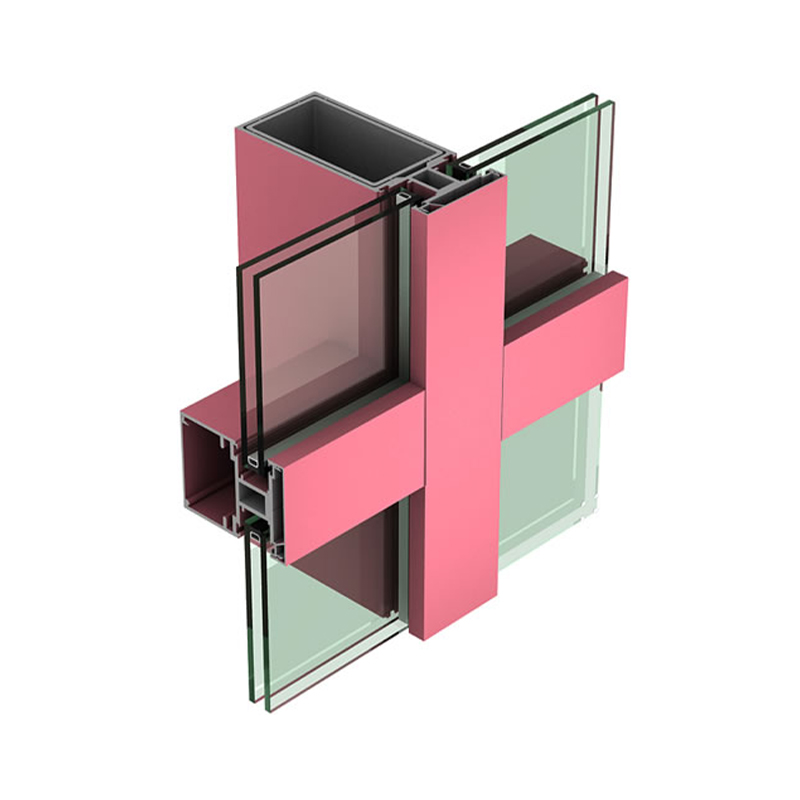
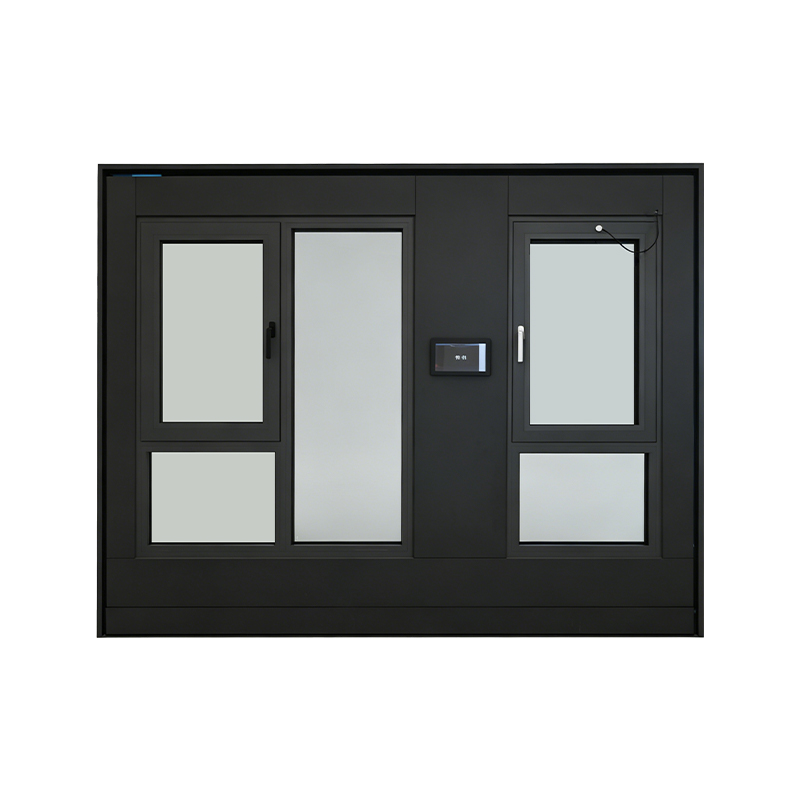
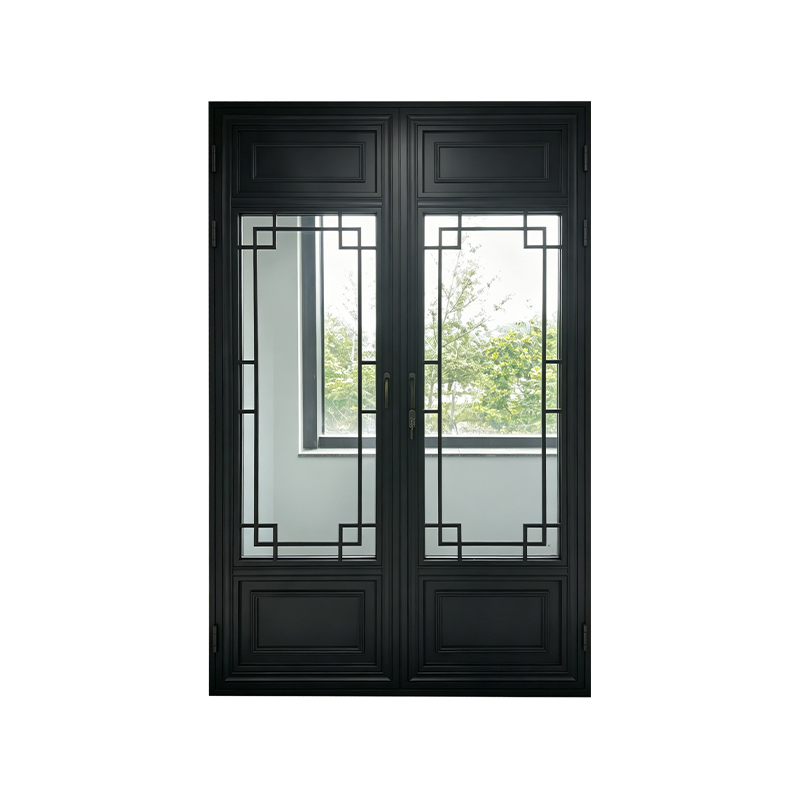
For windows, doors, curtain walls, louvres, and balcony railings, we commonly recommend 6063-T5 or 6060-T5. These alloys deliver a clean surface for powder coating or anodizing, good weather resistance, and reliable dimensional accuracy. Our thermal-break casement window profiles are a typical example of this alloy family in daily use.
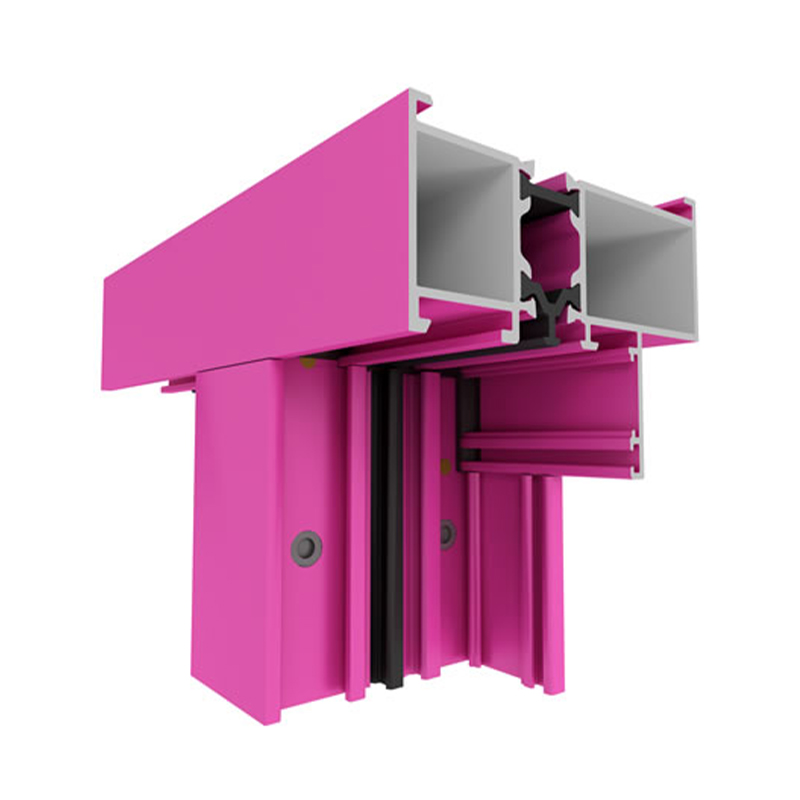 Thermal Break Aluminum Casement Window ProfilesThese multi-chamber profiles with PA66 GF25 thermal break strips reduce heat transfer and support double or Low-E glazing for energy-efficient window systems.View Product →
Solar panel frames and mounting brackets are exposed to rain, humidity, and thermal cycling. We rely on 6005A and 6063 alloys for their combination of stiffness, corrosion resistance, and light weight. For solar frames, the composition also has to allow tight tolerances so that the panel remains sealed for 25 years or more.
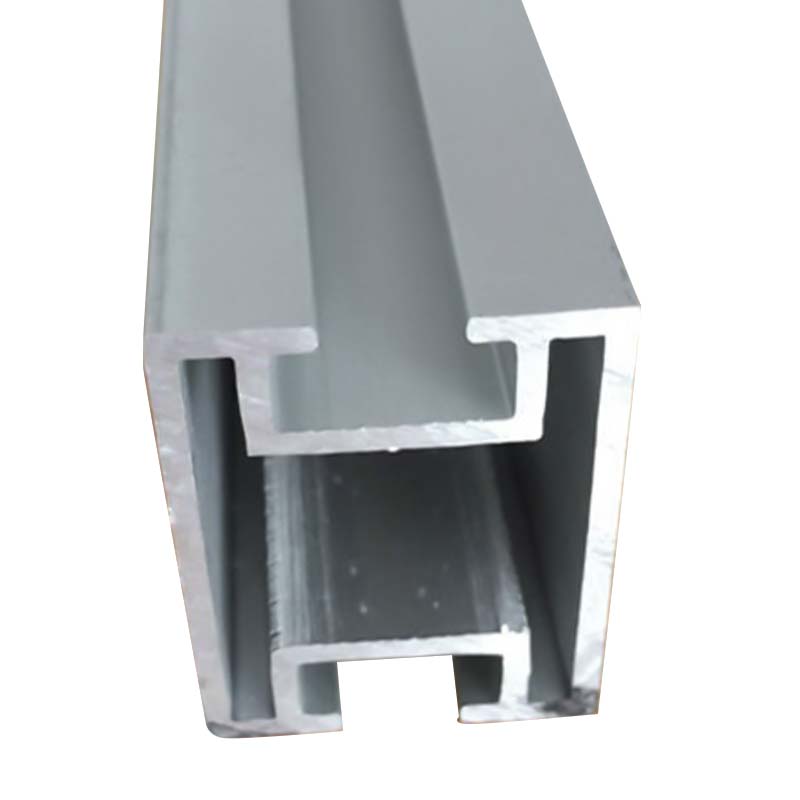 Aluminum Solar Panel FramesLightweight, corrosion-resistant frames with tight dimensional accuracy for long-term outdoor use and quick assembly of solar panels over extended service life.View Product →
In automotive lightweighting, crash boxes, battery trays, bumper beams, and motor housings demand high energy absorption and strength. Depending on the component, we use high-strength 6000 series or 7000 series alloys. The composition determines how the profile deforms in a collision and whether it retains the required cooling performance. For a deeper look at impact beam profiles, see our page on aluminium crash box profiles.
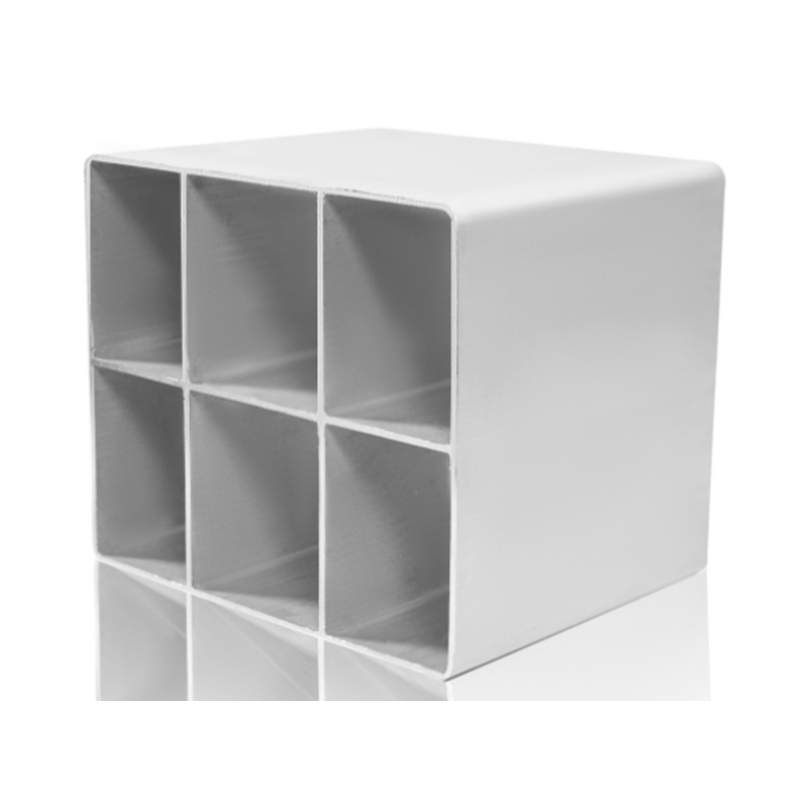 Automotive Crash Box Aluminum ProfilesHigh-strength aluminum profiles engineered to absorb impact energy through controlled deformation, contributing to vehicle safety while reducing overall weight.View Product →
Aluminium alloy composition is the bridge between raw metal and finished performance. Whether you are designing a window frame, a solar mounting system, or an automotive safety part, understanding the role of each element helps you make better decisions. At Hui Aluminium New Material Technology, we use this knowledge every day to extrude profiles that meet real engineering demands.
 +86-19156366875
 No. 1016, Baocheng Road, Economic and Technological Development Zone, Xuancheng City, Anhui Province, China
Copyright © Anhui Huilong Group Huilv New Material Technology Co., Ltd. All Rights Reserved
Aluminum Profiles Manufacturers