Content
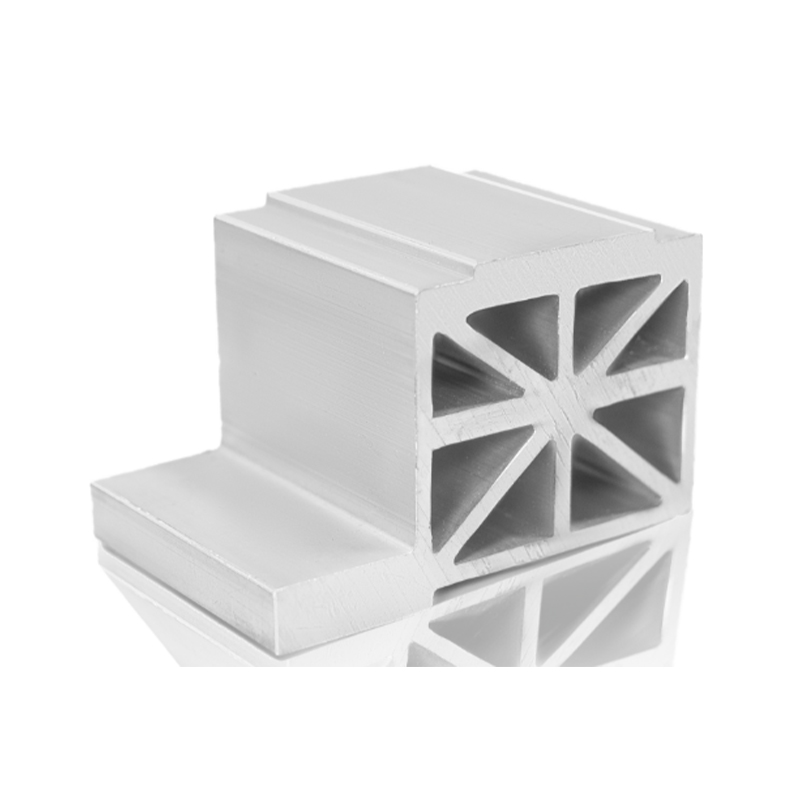
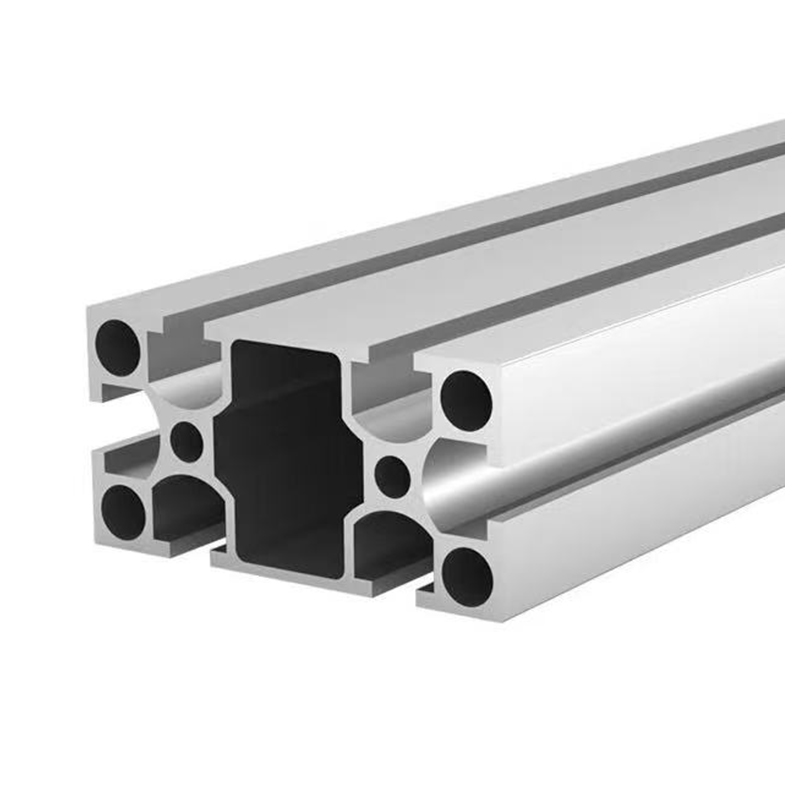
Aluminum profiles, also known as aluminum extrusions, have become increasingly popular in modern construction, manufacturing, and design. These profiles are created by pushing aluminum through a die to form specific shapes, which can then be used for a variety of applications. Their unique properties make them a versatile choice for industries seeking efficiency, strength, and aesthetics.
One of the most compelling reasons to use aluminum profiles is their exceptional strength-to-weight ratio. Aluminum is significantly lighter than steel, making it easier to handle and transport without sacrificing structural integrity.
Aluminum naturally forms a thin oxide layer when exposed to air, which protects it from corrosion. This makes aluminum profiles highly durable, even in outdoor or humid environments.
Aluminum profiles can be easily cut, drilled, machined, and welded. Their ability to accommodate complex shapes makes them suitable for architectural, industrial, and consumer products.
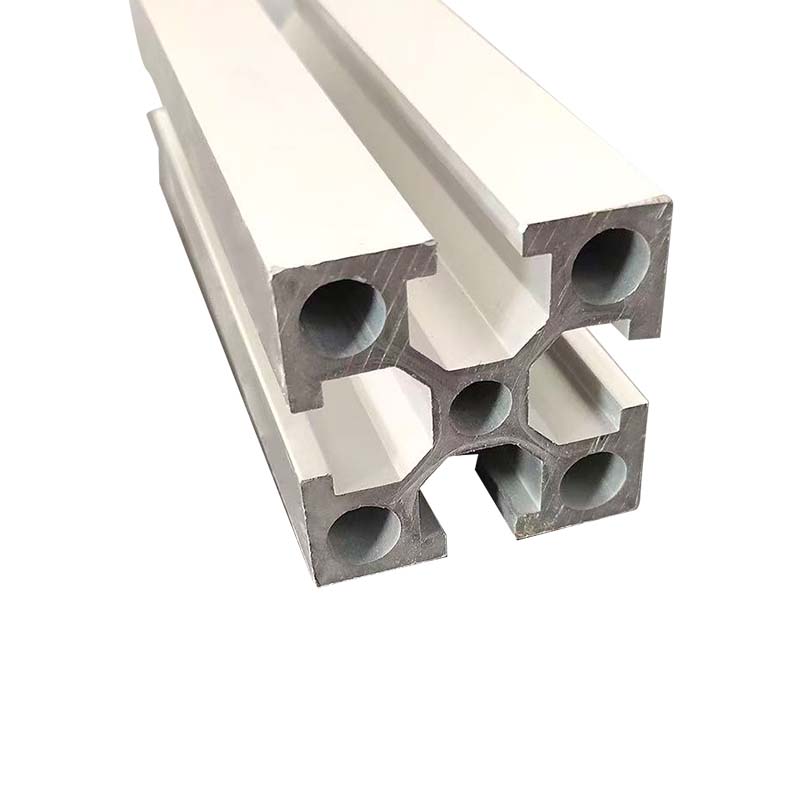
While aluminum may have a higher initial cost than some materials, its long-term benefits make it economically attractive. Aluminum is highly recyclable, and the energy required to reprocess it is significantly lower than producing new aluminum from raw ore.
Aluminum profiles are widely used across multiple sectors, demonstrating their versatility and reliability. Below is a summary of key applications.
| Industry | Application | Advantages |
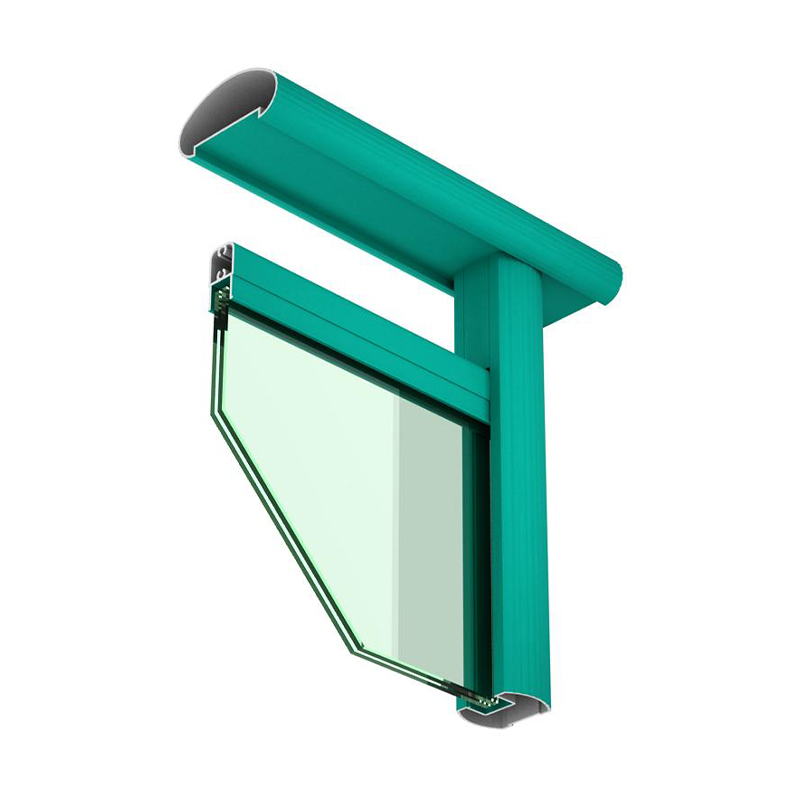
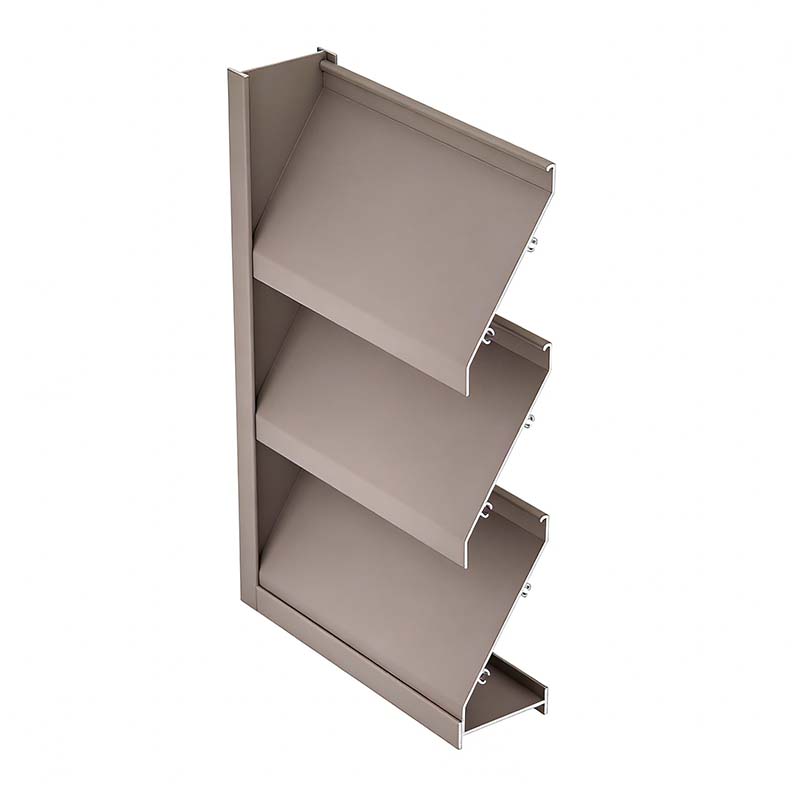
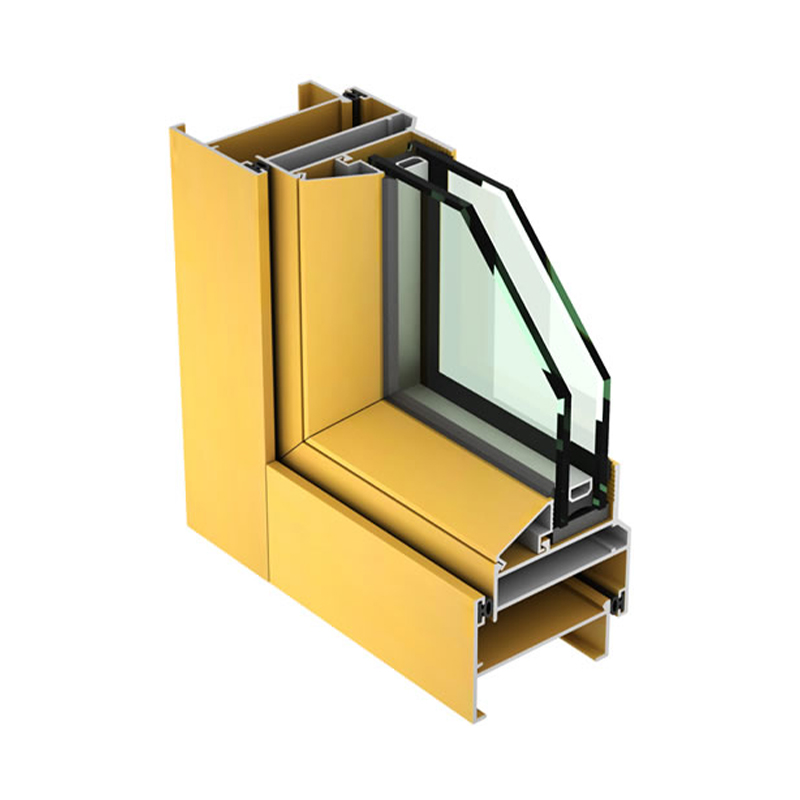
| Construction | Window frames, curtain walls, roofing | Lightweight, durable, corrosion-resistant |
| Automotive | Car frames, panels, structural components | Weight reduction, corrosion resistance, flexibility |
| Electronics | Enclosures, heat sinks | Heat dissipation, custom designs, lightweight |
| Furniture | Frames, supports, decorative elements | Design flexibility, durability, aesthetic appeal |
Aluminum profiles support modular construction, allowing for easy assembly, disassembly, and reconfiguration of structures. This is particularly beneficial in industrial setups, exhibition booths, and furniture systems.
Aluminum profiles offer an unparalleled combination of strength, lightweight design, corrosion resistance, and flexibility. Their practical benefits extend across industries, making them an ideal material for modern construction, automotive, and industrial applications. By choosing aluminum profiles, designers and engineers can achieve durable, efficient, and aesthetically appealing solutions that meet both functional and environmental requirements.
 +86-19156366875
 No. 1016, Baocheng Road, Economic and Technological Development Zone, Xuancheng City, Anhui Province, China
Copyright © Anhui Huilong Group Huilv New Material Technology Co., Ltd. All Rights Reserved
Aluminum Profiles Manufacturers