Content
Aluminum profile assembly lines have become one of the most common solutions in modern industrial manufacturing because of their flexibility, lightweight structure, modularity, and cost efficiency. Factories across automotive, electronics, logistics, packaging, and household appliance industries increasingly rely on aluminum profile systems to build production lines, workstations, conveyor systems, inspection platforms, and automated equipment frames.
Compared with traditional welded steel structures, aluminum profile assembly lines offer easier installation, convenient modification, and cleaner overall appearance. Many manufacturers considering this system often ask two key questions: how are aluminum profile assembly lines assembled, and are they strong and stable enough for long-term industrial use? Understanding the assembly process and structural performance is essential before investing in modular aluminum production systems.
As industrial automation continues expanding, modular aluminum structures are becoming increasingly important because they support rapid production changes and customized layouts. Their adaptability allows companies to reduce downtime and improve manufacturing efficiency while maintaining structural reliability.
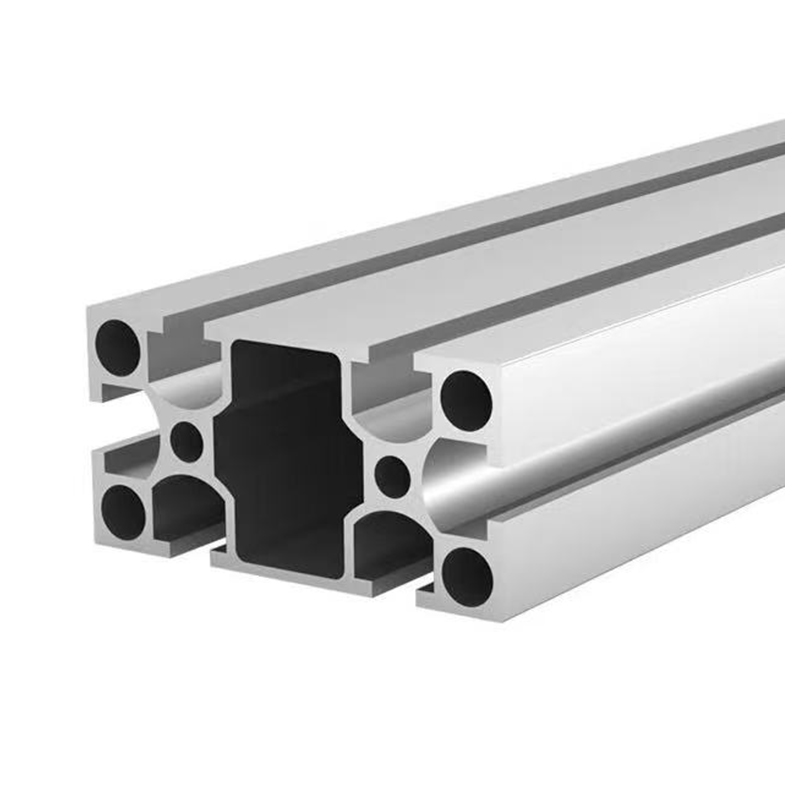
An aluminum profile assembly line is a modular production framework constructed using industrial aluminum extrusion profiles and specialized connectors. These systems are designed to support conveyors, production stations, automation equipment, storage units, and material handling systems within factories.
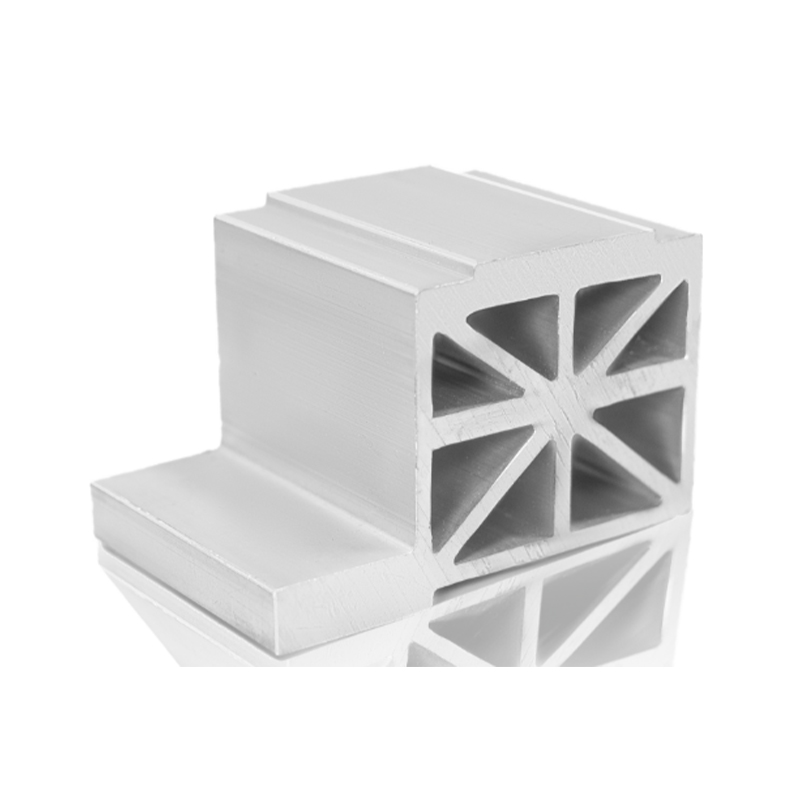
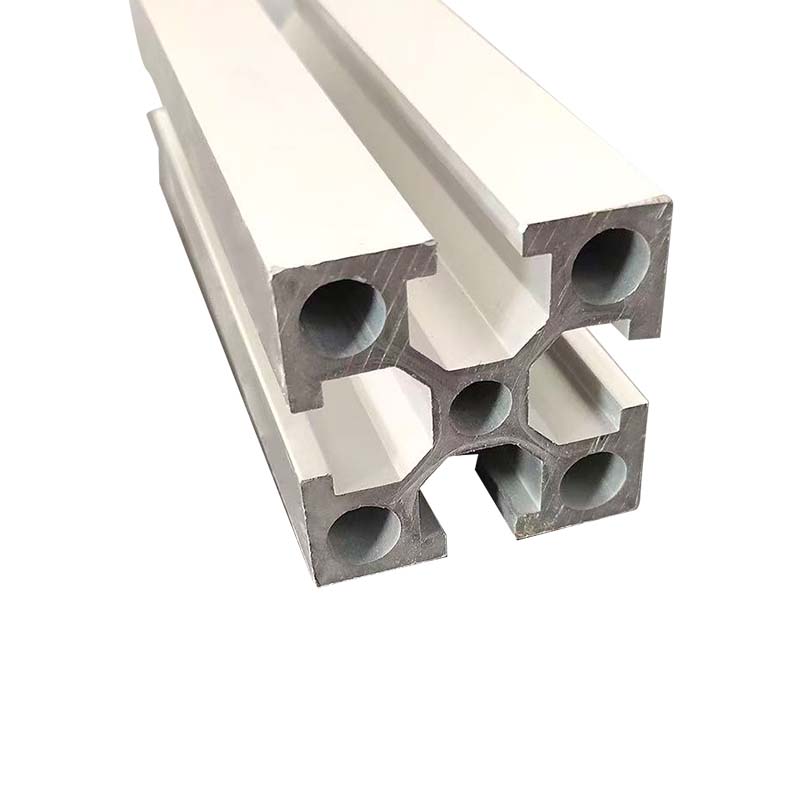
The aluminum profiles are manufactured through extrusion processes that create standardized grooves and cross-sectional structures. These grooves allow connectors, bolts, brackets, and accessories to be installed without welding. As a result, assembly becomes faster and more flexible compared to conventional steel fabrication methods.
Because of their modular nature, aluminum profile systems can be expanded, reconfigured, or relocated according to production requirements. This flexibility makes them highly suitable for factories that frequently upgrade manufacturing processes or introduce new automation technologies.
The assembly process of aluminum profile production lines is relatively straightforward compared to traditional welded structures. However, achieving stability and precision requires careful planning, accurate measurements, and proper fastening methods.
The process usually begins with engineering drawings and layout planning. Designers determine the dimensions, load requirements, workstation positions, and conveyor routing before manufacturing starts. Accurate planning ensures that all aluminum profiles and accessories fit correctly during installation.
Industrial aluminum profiles are first cut to specified lengths using precision cutting equipment. Clean cutting surfaces are important because uneven cuts can affect assembly accuracy and structural alignment. After cutting, profiles are inspected and prepared for connection.
Some profiles may require drilling, tapping, or slot processing depending on the design requirements. High-quality aluminum profile manufacturers usually provide customized machining services to simplify on-site installation.
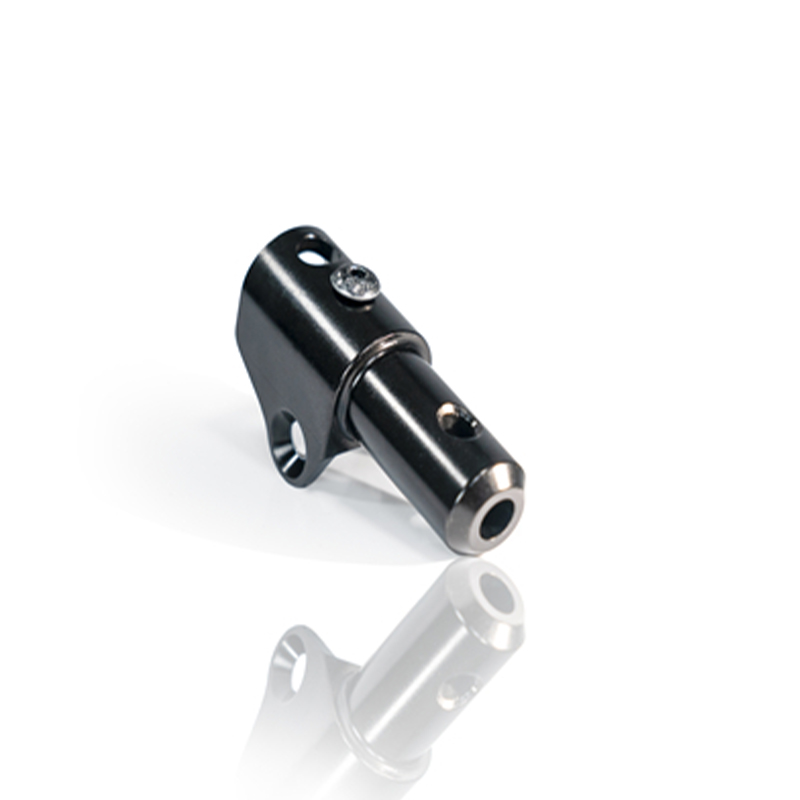
After preparation, workers begin assembling the structural frame using connectors, brackets, and fasteners. Most aluminum profile systems use T-slot connection technology, allowing bolts and nuts to slide directly into profile grooves. This design eliminates the need for welding and significantly reduces installation complexity.
Corner brackets and reinforcing plates are installed at critical joints to improve stability. Adjustable feet or caster wheels are then attached to the base structure to ensure level positioning on factory floors.
Once the main frame is completed, conveyors, worktables, shelves, electrical systems, and automation equipment are integrated into the assembly line structure.
Before operation begins, technicians inspect the entire assembly line to verify structural alignment, connection tightness, and load-bearing stability. Conveyor systems are tested to ensure smooth movement, while electrical and automation components undergo safety checks.
Proper inspection is essential because even modular systems require precise assembly to maintain long-term performance and operational safety.
One of the most common concerns among manufacturers is whether aluminum profile assembly lines are sufficiently strong for industrial environments. In practice, high-quality aluminum profile systems can provide excellent strength, stability, and durability when properly designed and assembled.
Industrial aluminum alloys used in these systems typically offer high strength-to-weight ratios. Although aluminum is lighter than steel, properly engineered profiles can support substantial loads while maintaining structural rigidity.
The durability of the assembly line depends on multiple factors, including profile thickness, connection methods, load distribution, and environmental conditions. Reinforced profiles and heavy-duty connectors can significantly increase structural performance for demanding industrial applications.
| Factor | Impact on Stability |
| Profile Thickness | Thicker profiles improve load capacity |
| Connector Quality | Strong fasteners increase rigidity |
| Structural Design | Balanced layouts reduce deformation |
| Load Distribution | Even loads improve durability |
| Floor Installation | Level installation prevents vibration |
The widespread adoption of aluminum profile systems is closely linked to their practical operational advantages. These systems not only simplify manufacturing layouts but also support future production upgrades.
Unlike welded steel structures, aluminum profile systems can be assembled using simple tools and standardized connectors. If production requirements change, sections of the assembly line can be adjusted or expanded without dismantling the entire structure.
Aluminum provides excellent structural strength while remaining lightweight. This reduces transportation costs and simplifies installation procedures inside factories.
Industrial aluminum profiles naturally resist corrosion because of their oxide layer protection. This characteristic makes them suitable for humid environments, clean rooms, and food processing facilities.
Modern aluminum assembly lines provide cleaner and more professional visual appearances compared to traditional steel frameworks. Many manufacturers value this feature because organized production environments improve workplace management and corporate image.
Aluminum profile assembly lines are widely used across different industries because they support both manual and automated production operations.
As industrial automation technologies continue evolving, modular aluminum structures are increasingly integrated with robotic systems, sensors, and intelligent manufacturing platforms.
Although aluminum profile systems are inherently stable, certain design strategies can further improve structural performance and operational safety.
Heavy-duty applications should use thicker aluminum profiles with larger cross-sectional dimensions. Reinforced structures can support higher dynamic loads and reduce vibration during equipment operation.
Critical joints should include additional brackets and support plates to increase rigidity. Proper torque control during fastening also prevents loosening over time.
Uneven loads can cause structural stress concentration and deformation. Engineers should design layouts that distribute equipment weight evenly across the frame.
Routine inspection of connectors, support legs, and moving components helps maintain long-term stability. Loose fasteners should be tightened promptly to prevent vibration-related issues.
The future of aluminum profile assembly lines is closely connected to smart manufacturing and industrial automation trends. As factories increasingly adopt flexible manufacturing systems, demand for modular and reconfigurable production equipment will continue growing.
Manufacturers are developing stronger aluminum alloys, advanced connection systems, and intelligent modular designs capable of supporting robotic automation and digital production management. Lightweight structures combined with high load capacity will remain a major focus of industrial engineering innovation.
The question of whether aluminum profile assembly lines are firmly assembled can be answered confidently when proper engineering, high-quality materials, and professional installation methods are used. Modern aluminum profile systems are not only stable and durable but also highly adaptable to changing industrial requirements.
As industries continue prioritizing efficiency, flexibility, and scalable manufacturing solutions, aluminum profile assembly lines are expected to play an increasingly important role in the future of global industrial production.
 +86-19156366875
 No. 1016, Baocheng Road, Economic and Technological Development Zone, Xuancheng City, Anhui Province, China
Copyright © Anhui Huilong Group Huilv New Material Technology Co., Ltd. All Rights Reserved
Aluminum Profiles Manufacturers