Content
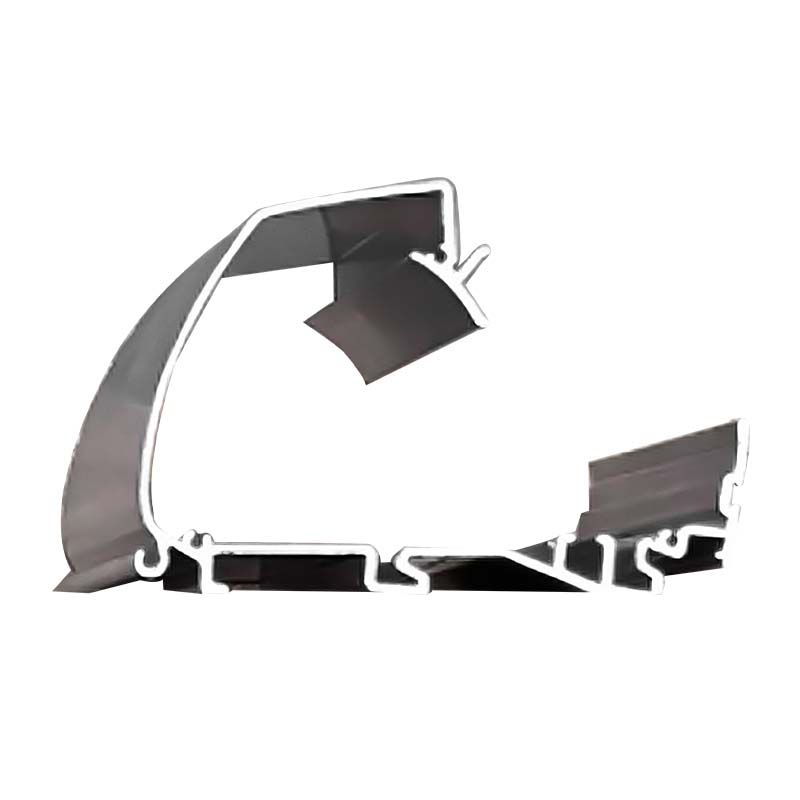
Photovoltaic aluminum profiles serve as the structural backbone of solar panel systems, forming the frames that hold photovoltaic cells in place and the mounting systems that secure panels to rooftops, ground arrays, or carports. These profiles are precision-extruded from aluminum alloys engineered specifically to withstand decades of outdoor exposure while remaining lightweight enough to avoid placing excessive load on building structures. Choosing the right aluminum profile affects not only the durability of a solar installation but also its overall energy efficiency, since even minor frame defects can lead to shading, moisture infiltration, or structural failure over time.
Solar panels are installed outdoors and remain exposed to sun, rain, humidity, and temperature swings for 25 years or more, making corrosion resistance one of the most critical performance factors. Aluminum naturally forms a thin oxide layer when exposed to air, which acts as a protective barrier against further oxidation. This makes aluminum profiles far more resistant to rust and material degradation than steel alternatives, which require additional galvanizing or coating to achieve similar protection. Anodized aluminum profiles take this protection a step further by electrochemically thickening the oxide layer, creating a harder, more durable surface that resists scratches, salt spray, and industrial pollutants common in coastal or urban installations.
Aluminum weighs roughly one-third as much as steel while still delivering the strength needed to support solar panels under wind, snow, and seismic loads. This weight advantage matters significantly for rooftop installations, where excessive structural load can compromise a building's integrity or require costly reinforcement before installation. Lighter profiles also simplify transportation and handling during installation, reducing labor time and the physical strain on installation crews, particularly for large-scale commercial or utility installations involving thousands of panels.
| Material | Relative Weight | Corrosion Resistance | Typical Lifespan |
| Aluminum Profile | Low | Excellent | 25–30 years |
| Galvanized Steel | High | Moderate | 15–20 years |
| Stainless Steel | High | Excellent | 25–30 years |
| Plastic Composite | Low | Good | 10–15 years |
Aluminum's extrusion process allows manufacturers to produce profiles with extremely tight dimensional tolerances, ensuring that solar panel frames fit together consistently across an entire production batch. This precision matters because gaps or misalignment between frame components can allow moisture to seep into the panel's internal layers, leading to delamination or electrical faults over time. Extrusion also allows manufacturers to create complex cross-sectional designs, such as internal channels for drainage or grooves for gasket seals, that would be difficult or costly to achieve with other manufacturing methods like stamping or casting.
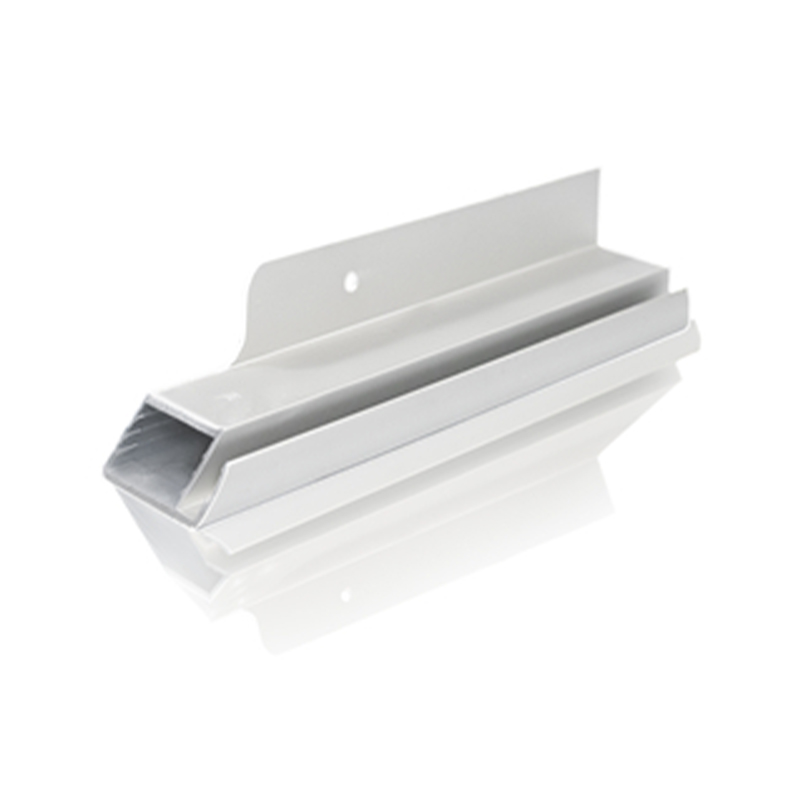
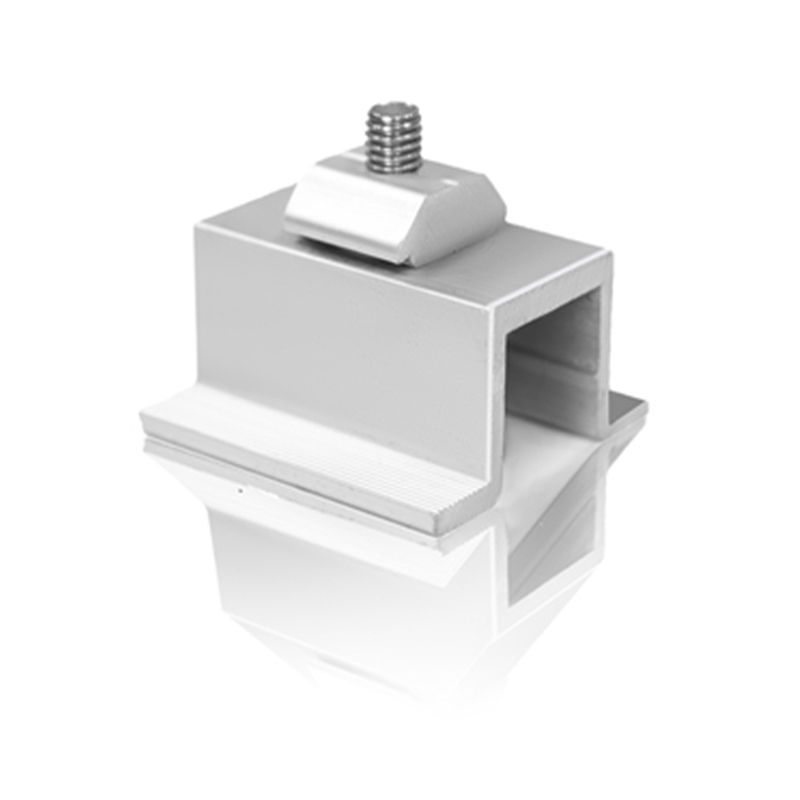
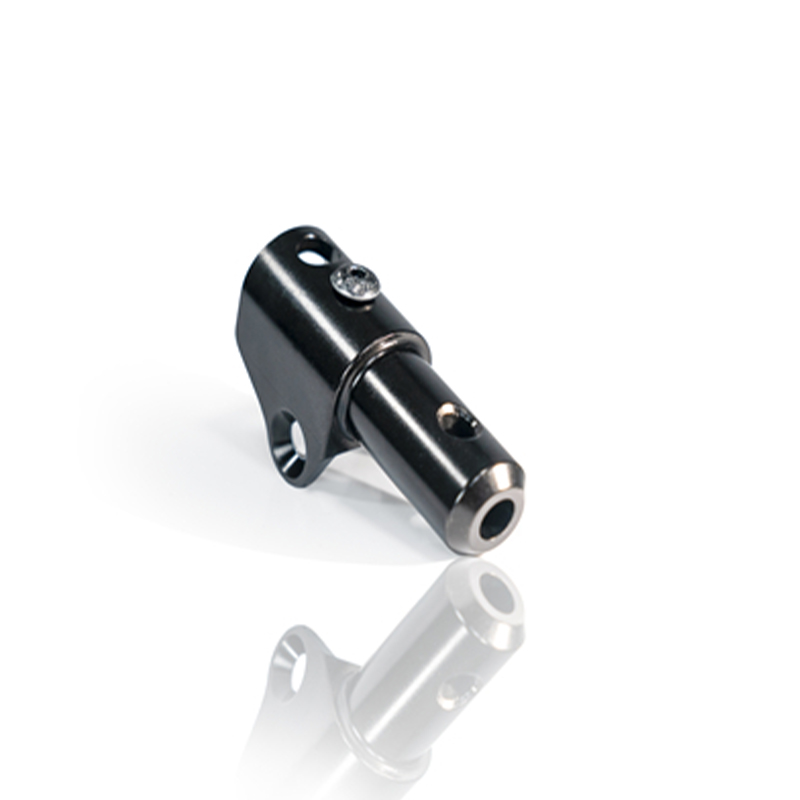
Photovoltaic aluminum profiles are not limited to panel framing alone; they also form the basis of mounting rail systems used across a wide range of installation types. This flexibility allows manufacturers and installers to standardize components across different project types while adapting to site-specific requirements.
Aluminum's high thermal conductivity allows heat generated by solar cells during operation to dissipate more efficiently through the frame compared to lower-conductivity materials. Since photovoltaic cell efficiency typically decreases as operating temperature rises, effective heat dissipation through the aluminum frame contributes to more stable energy output, particularly during peak sunlight hours when panels are most prone to overheating. This thermal advantage, combined with aluminum's dimensional stability across temperature extremes, helps prevent frame warping that could otherwise stress the glass and cell layers within the panel.
While the upfront material cost of aluminum profiles may be comparable to or slightly higher than some alternatives, the total lifecycle cost often favors aluminum due to reduced maintenance requirements and extended service life. Aluminum profiles rarely require repainting, rust treatment, or structural replacement within a typical 25-year solar warranty period, which significantly reduces long-term operational expenses for both residential homeowners and commercial solar farm operators. Additionally, aluminum is highly recyclable, retaining most of its original value at the end of its service life, which can offset decommissioning costs and supports sustainability goals increasingly required in commercial solar procurement.
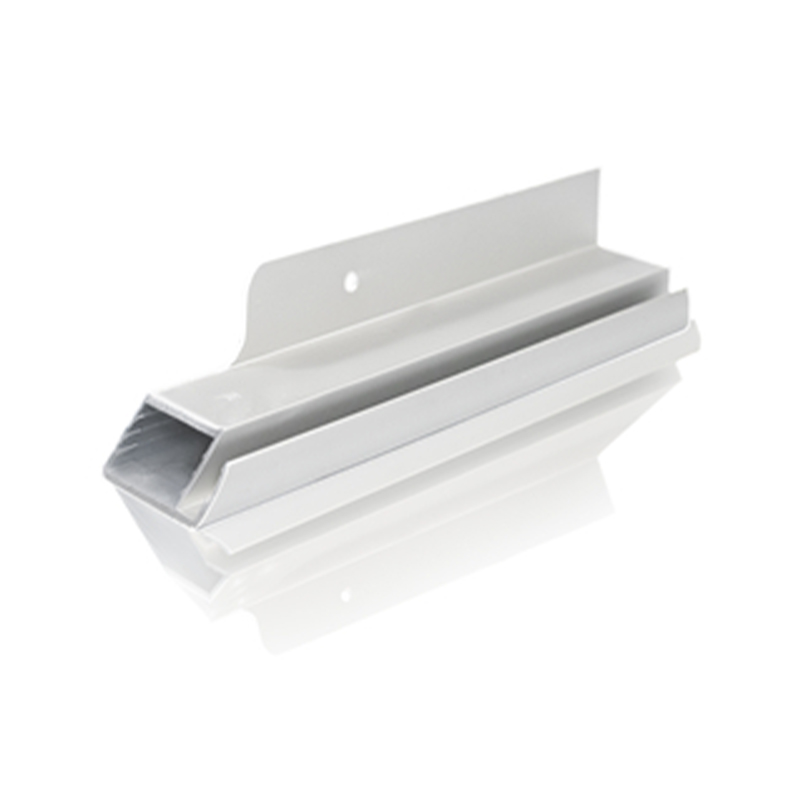
Not all photovoltaic aluminum profiles are manufactured to the same quality standard, so buyers should evaluate several factors before finalizing a supplier or product line. Alloy composition significantly affects strength and corrosion resistance, with 6000-series aluminum alloys, such as 6063 and 6061, commonly favored for their balance of strength, extrudability, and weather resistance.
Selecting photovoltaic aluminum profiles is ultimately a decision that affects the structural integrity, energy output, and total cost of ownership for any solar installation. By prioritizing corrosion-resistant alloys, precise extrusion tolerances, and appropriate surface treatments, project developers and installers can ensure their solar systems perform reliably across decades of outdoor exposure. Working with reputable manufacturers who provide clear material certifications and testing data further reduces the risk of premature component failure, protecting both the financial investment and the long-term energy production goals of the solar project.
 +86-19156366875
 No. 1016, Baocheng Road, Economic and Technological Development Zone, Xuancheng City, Anhui Province, China
Copyright © Anhui Huilong Group Huilv New Material Technology Co., Ltd. All Rights Reserved
Aluminum Profiles Manufacturers