Content
Aluminum solar panel frames are one of the most important structural components of photovoltaic (PV) modules. While solar cells generate electricity and tempered glass protects the panel surface, the aluminum frame provides mechanical strength, protects the edges of the module, and enables secure installation on rooftop or ground-mounted support systems. As the global solar industry continues to expand, aluminum has become the preferred framing material because of its excellent balance of strength, lightweight properties, corrosion resistance, and recyclability.
Modern aluminum frames are typically manufactured from high-strength aluminum alloy extrusions with anodized or powder-coated finishes. These treatments further improve corrosion resistance while maintaining an attractive appearance throughout decades of outdoor exposure. Whether installed in residential, commercial, or utility-scale solar projects, aluminum solar panel frames contribute significantly to the reliability and lifespan of photovoltaic systems.
The popularity of aluminum solar panel frames is driven by a combination of engineering performance, environmental benefits, and economic value. Compared with steel, plastic, or frameless alternatives, aluminum offers multiple practical advantages.
Aluminum naturally forms a protective oxide layer when exposed to air. Combined with anodizing treatments, this layer effectively protects the frame against moisture, rain, salt spray, and industrial pollution. Even in coastal environments where corrosion is a major concern, aluminum frames maintain structural integrity with minimal maintenance.
Although aluminum weighs approximately one-third as much as steel, it offers excellent structural performance. This combination simplifies transportation, reduces installation labor, and minimizes roof loading while providing sufficient rigidity to protect solar modules from wind and snow loads.
High-quality aluminum solar panel frames can last more than 25 years under continuous outdoor exposure. Their resistance to UV radiation, moisture, and temperature fluctuations makes them ideal for long-term photovoltaic projects.
Sustainability has become a major consideration in renewable energy projects. Aluminum frames support environmentally responsible manufacturing and construction practices throughout their entire lifecycle.
Aluminum is one of the world's most recyclable metals. Unlike many other construction materials, recycled aluminum retains nearly all of its original mechanical properties. Recycling aluminum also requires only a fraction of the energy needed to produce primary aluminum from raw ore.
Because aluminum frames require minimal maintenance and have exceptionally long service lives, they reduce replacement frequency and resource consumption throughout the operational lifetime of solar installations.
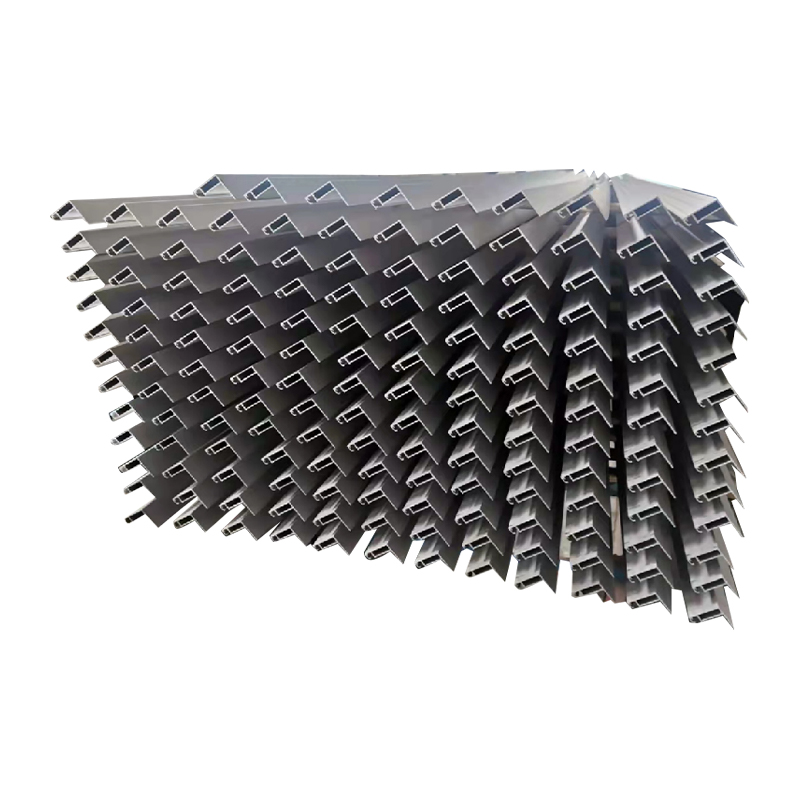
The versatility of aluminum makes it suitable for nearly every type of photovoltaic installation. Different projects require different frame profiles, dimensions, and surface treatments depending on environmental conditions and structural requirements.
Homeowners benefit from lightweight aluminum frames because they reduce roof loading while simplifying installation. Their attractive finish also complements modern residential architecture.
Commercial facilities often require large rooftop arrays capable of withstanding higher wind loads. Aluminum frames provide excellent structural performance while maintaining manageable installation costs.
Utility-scale solar farms utilize thousands of framed modules installed on steel mounting systems. Aluminum frames ensure consistent mechanical protection while simplifying transportation and field assembly.
Floating photovoltaic systems require materials capable of resisting constant moisture and humidity. Aluminum's corrosion resistance makes it particularly suitable for these challenging environments.
| Property | Aluminum | Steel | Frameless Glass |
| Weight | Light | Heavy | Medium |
| Corrosion Resistance | Excellent | Requires Coating | Excellent |
| Installation | Easy | Moderate | More Complex |
| Maintenance | Low | Medium | Low |
| Recyclability | Excellent | Good | Moderate |
Common alloys such as 6063-T5 and 6005-T5 provide excellent strength, machinability, and corrosion resistance. Selecting the appropriate alloy ensures reliable performance under different environmental conditions.
Anodized finishes provide excellent corrosion resistance, while powder coating offers additional color customization and weather protection. The choice depends on project requirements and local climate conditions.
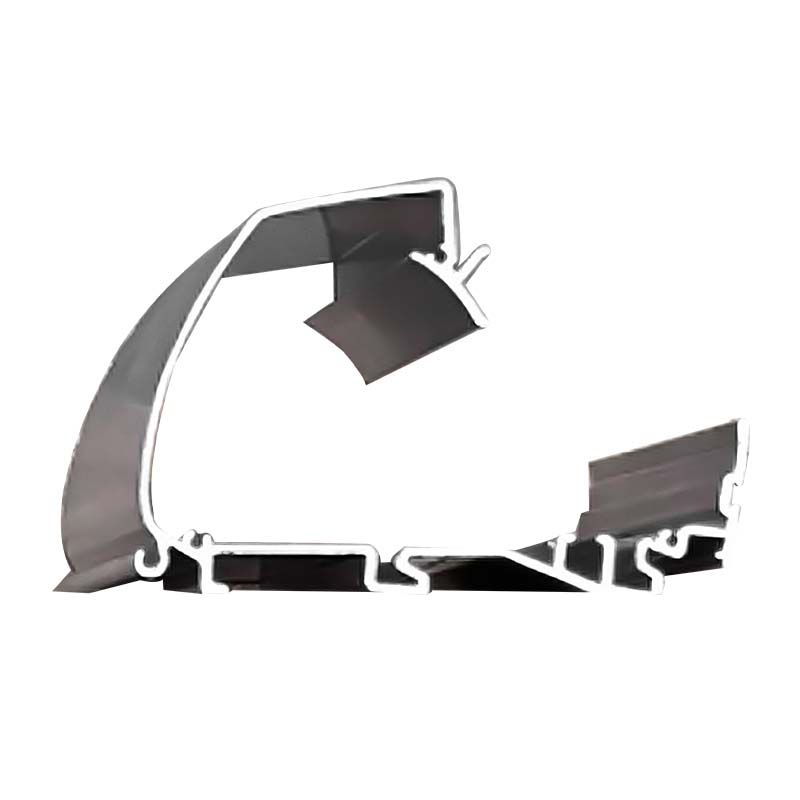
Frame thickness, corner connections, drainage channels, and mounting grooves all influence the structural reliability of the finished photovoltaic module. Well-designed profiles improve installation efficiency and long-term durability.
Proper installation extends the service life of aluminum solar panel frames while ensuring optimal system performance.
Continuous innovation is improving aluminum solar panel frame performance. Manufacturers are developing lighter extrusion profiles, higher-strength alloys, integrated mounting systems, and low-carbon aluminum production methods. Smart manufacturing technologies are also improving dimensional accuracy and reducing production waste, making aluminum frames even more competitive in the rapidly expanding photovoltaic market.
As bifacial solar modules, floating photovoltaic systems, and building-integrated photovoltaics (BIPV) become increasingly common, aluminum frame designs will continue evolving to meet new structural, aesthetic, and performance requirements.
Aluminum solar panel frames offer an outstanding combination of strength, lightweight construction, corrosion resistance, durability, and sustainability. Their versatility makes them suitable for residential rooftops, commercial buildings, utility-scale solar farms, and floating photovoltaic systems alike. By selecting high-quality aluminum alloys, appropriate surface treatments, and well-engineered frame profiles, developers and installers can maximize the long-term performance and reliability of solar energy systems while reducing maintenance costs and environmental impact.
 +86-19156366875
 No. 1016, Baocheng Road, Economic and Technological Development Zone, Xuancheng City, Anhui Province, China
Copyright © Anhui Huilong Group Huilv New Material Technology Co., Ltd. All Rights Reserved
Aluminum Profiles Manufacturers