Content
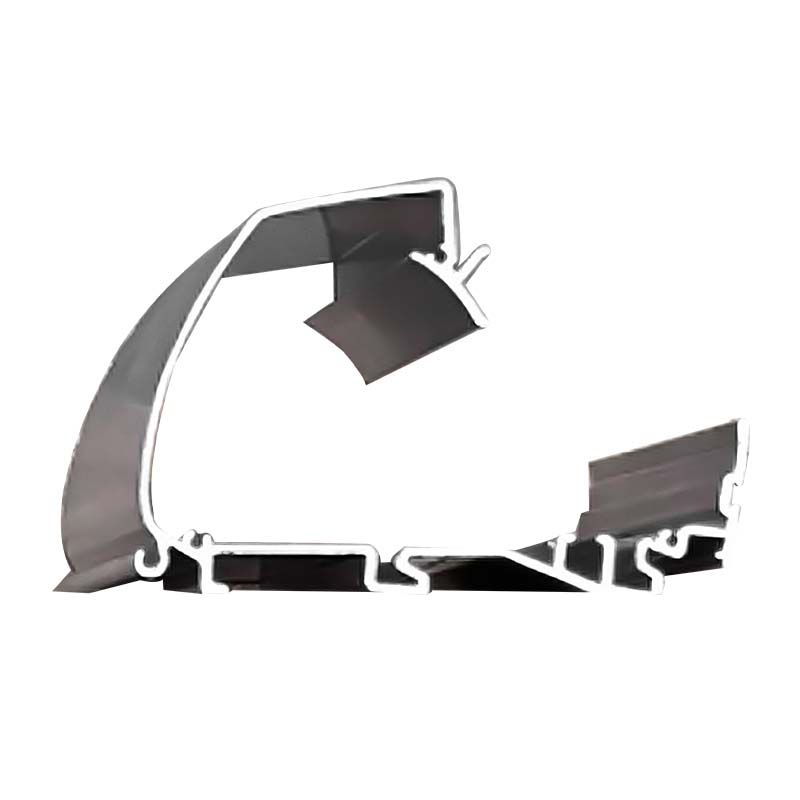
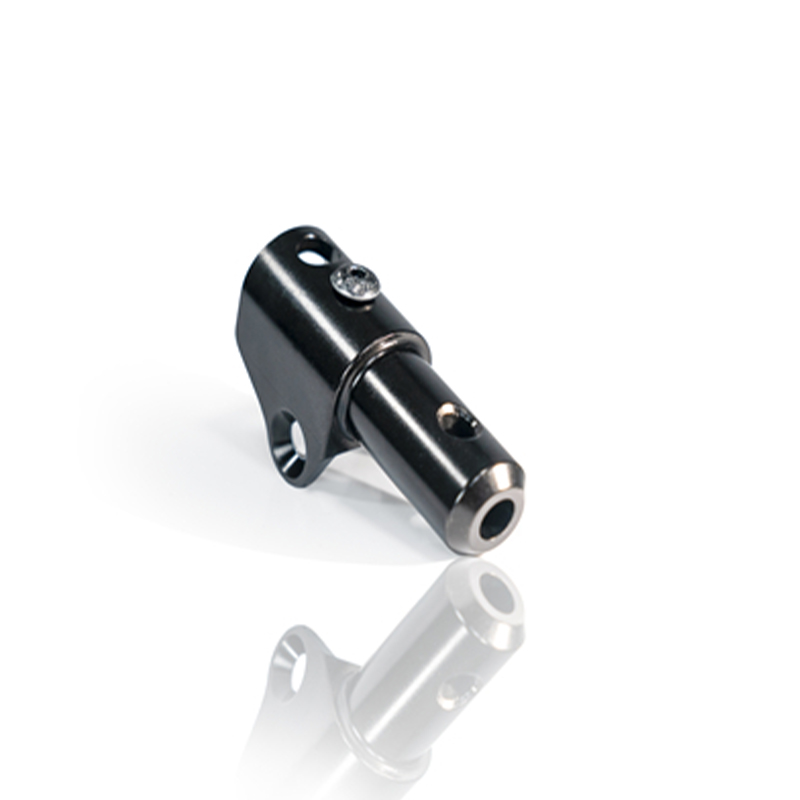
Photovoltaic aluminum profiles form the structural backbone of nearly every solar panel mounting system installed today, whether on residential rooftops, commercial buildings, or large-scale ground-mounted solar farms. These profiles serve as rails, frames, brackets, and support structures that hold solar modules securely in place while withstanding decades of exposure to wind, rain, temperature swings, and UV radiation. Unlike generic construction materials, PV-specific aluminum profiles are engineered with precise dimensions, wall thicknesses, and mounting slots designed to match the mechanical loads and installation methods unique to solar arrays.
The choice of material for these structural components directly affects installation speed, system durability, and long-term maintenance costs. As solar installations continue to expand across residential, commercial, and utility-scale sectors, understanding why aluminum has become the dominant material choice helps installers, engineers, and project developers make informed decisions about their mounting systems.
When comparing aluminum against other structural materials such as steel, wood, or plastic composites, aluminum consistently offers a superior balance of strength, weight, and durability for photovoltaic applications. Steel, while strong, is significantly heavier and requires additional coatings to prevent rust, which adds cost and reduces long-term reliability in outdoor environments. Wood lacks the structural consistency and weather resistance needed for multi-decade solar warranties. Plastic composites, though lightweight, often cannot match the load-bearing capacity required for larger panel arrays or high-wind regions.
Aluminum naturally forms a protective oxide layer when exposed to air, which shields the metal from further corrosion without requiring additional treatments in many environments. This self-protecting quality, combined with aluminum's inherent strength-to-weight ratio, makes it uniquely suited to outdoor structural applications that must remain stable and safe for 25 years or more, matching the typical lifespan of solar panels themselves.
Aluminum weighs roughly one-third as much as steel while still providing sufficient tensile and compressive strength for solar mounting applications. This reduced weight lowers shipping costs, simplifies handling on the job site, and decreases the load placed on rooftops, which is particularly important for residential installations where roof load capacity is limited.
Solar installations are constantly exposed to moisture, salt air in coastal regions, and industrial pollutants in urban areas. Aluminum's natural oxide layer, often enhanced through anodizing, resists rust and degradation far better than untreated steel, reducing the risk of structural failure over the system's operational life.
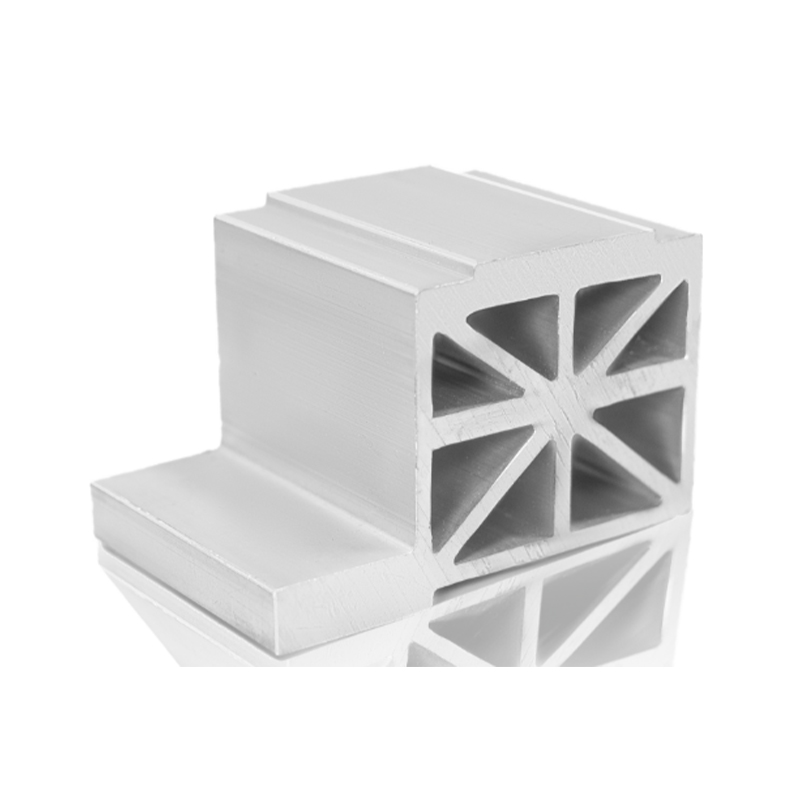
Aluminum can be extruded into complex cross-sectional shapes with high precision, allowing manufacturers to create profiles with built-in channels, slots, and interlocking features that simplify installation and reduce the need for additional hardware.
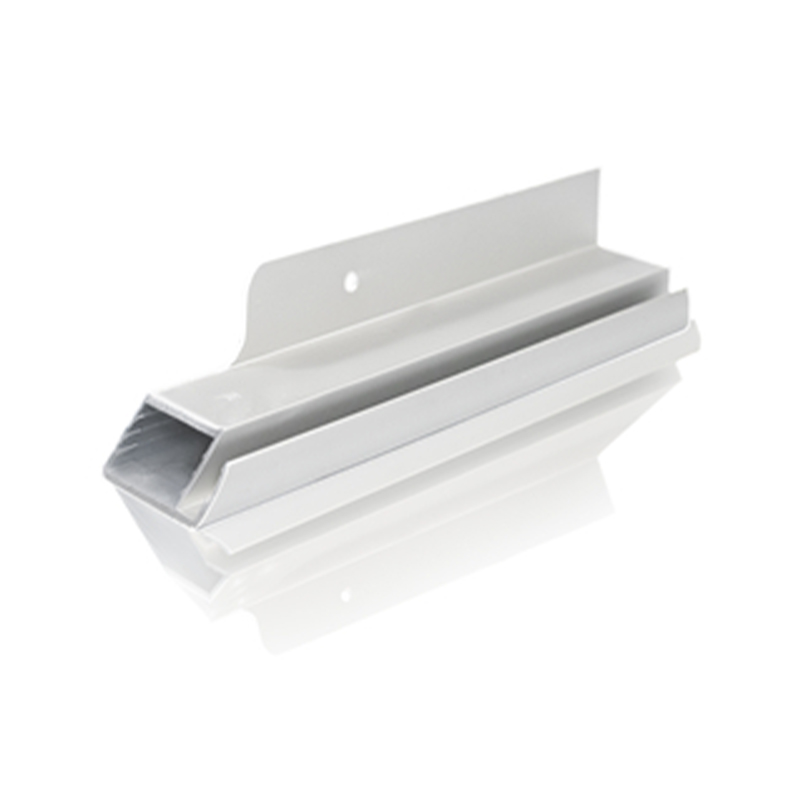
Different parts of a solar mounting system require profiles with distinct shapes and functions. The following list outlines the most widely used types found in modern PV installations.
Raw aluminum profiles are often further treated to enhance their performance in specific environments. The table below summarizes common surface treatments and the advantages each one provides for photovoltaic applications.
| Treatment | Primary Benefit | Best Suited For |
| Anodizing | Thickens oxide layer for superior corrosion resistance | Coastal and high-humidity regions |
| Powder Coating | Adds color options and extra scratch protection | Visible architectural installations |
| Mill Finish | Cost-effective with natural corrosion resistance | Standard rooftop residential systems |
Steel remains a competing option in some ground-mounted or utility-scale projects due to its lower raw material cost per unit weight. However, when factoring in transportation, installation labor, and long-term maintenance, aluminum frequently proves more economical over the full lifecycle of a solar project. Steel structures typically require galvanization or additional coatings to resist rust, and any scratches or damage to these coatings during installation can expose the underlying metal to corrosion over time.
Aluminum, by contrast, resists corrosion at a molecular level, meaning minor surface scratches do not compromise the material's protective qualities. Additionally, the lighter weight of aluminum reduces the need for heavy machinery during installation, cutting labor time and associated costs, particularly beneficial for rooftop projects where crane access is limited or unavailable.
Choosing the right aluminum profile involves more than picking a standard shape off a catalog page. Installers and project designers should evaluate several factors specific to their site conditions and system requirements.
One of the most compelling reasons project developers choose aluminum profiles is the reduced maintenance burden over the system's operating life. Because aluminum does not rust in the traditional sense, routine inspections rarely reveal the kind of structural degradation common to untreated steel components. This translates into fewer replacement parts, less unplanned downtime, and lower total cost of ownership across a solar array's 25 to 30 year expected service life.
Furthermore, aluminum's recyclability adds an environmental advantage that aligns well with the sustainability goals often associated with solar energy projects. At the end of a system's operational life, aluminum profiles can be recycled without losing their structural properties, supporting a circular approach to materials use that complements the clean energy mission of photovoltaic technology.
 +86-19156366875
 No. 1016, Baocheng Road, Economic and Technological Development Zone, Xuancheng City, Anhui Province, China
Copyright © Anhui Huilong Group Huilv New Material Technology Co., Ltd. All Rights Reserved
Aluminum Profiles Manufacturers