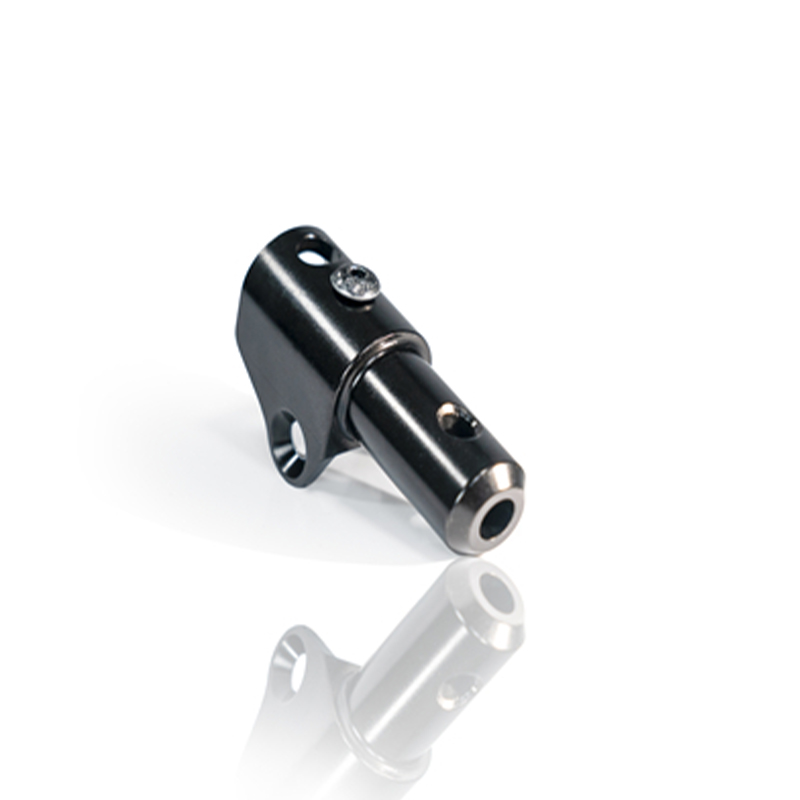
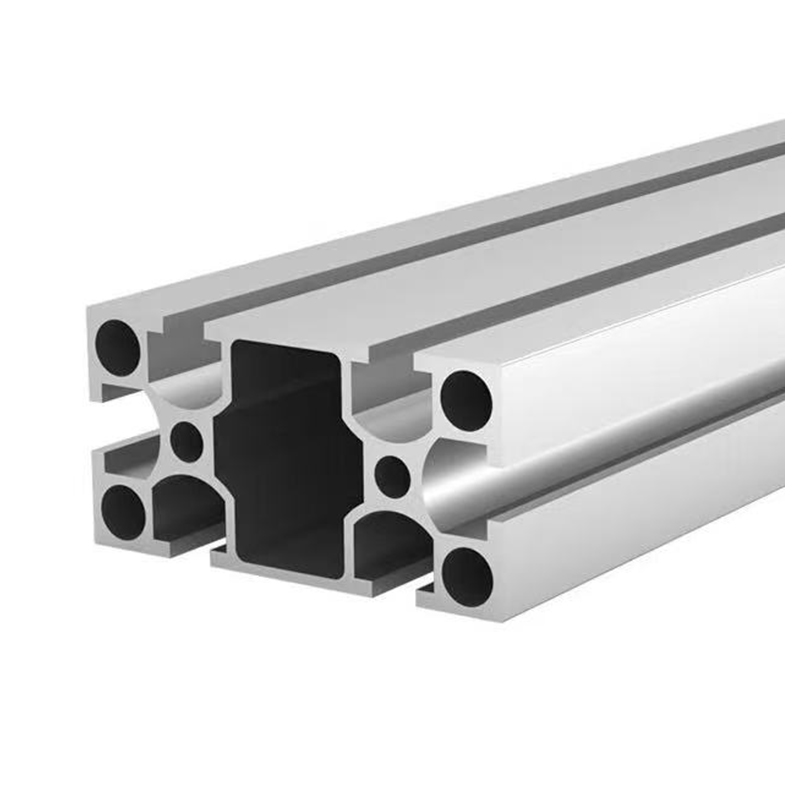
The global shift toward renewable energy has placed solar power at the center of the conversation, and behind every reliable solar installation is a structural system that rarely gets the attention it deserves. Photovoltaic aluminum profiles form the physical backbone of solar panel mounting systems, connecting engineering precision with long-term performance. Whether it is a rooftop residential array or a utility-scale ground-mounted power plant, the choice of aluminum profile directly affects structural integrity, installation efficiency, and the overall return on investment.
Content
Photovoltaic aluminum profiles are extruded aluminum components specifically engineered to support, frame, and secure solar panels within a mounting system. Unlike generic structural aluminum, PV profiles are designed with precise cross-sectional geometries that accommodate panel thickness tolerances, load distribution requirements, and weatherproofing needs. They are manufactured through an extrusion process in which aluminum alloy billets are forced through a shaped die, producing continuous lengths of complex cross-sections that can be cut and assembled on-site.
These profiles serve multiple roles simultaneously: they hold panels in position, transfer wind and snow loads to the substructure, provide grounding pathways, and in many designs allow for tool-free or rapid installation. The combination of lightweight construction and high strength-to-weight ratio makes aluminum the material of choice across virtually every segment of the photovoltaic industry.
Aluminum has earned its dominant position in solar mounting applications because its physical and chemical properties align almost perfectly with the demands of outdoor, long-life installations. Understanding these properties helps buyers and engineers make more informed decisions when specifying mounting systems.
When exposed to air, aluminum naturally forms a thin oxide layer that acts as a barrier against further oxidation. For solar applications, this is reinforced through anodizing — an electrochemical surface treatment that thickens the oxide layer to between 10 and 25 microns. Anodized photovoltaic aluminum profiles resist corrosion from rain, humidity, salt air, and industrial pollutants, making them suitable for coastal, industrial, and desert environments where other materials would degrade significantly within a few years.
The most commonly used alloy for PV profiles is 6063-T5 or 6005-T5, both of which offer a tensile strength of approximately 150–270 MPa while maintaining a density of only 2.7 g/cm³. This allows mounting structures to remain lightweight — reducing shipping costs and simplifying roof-load calculations — without sacrificing structural performance under wind uplift or snow accumulation.
Aluminum's thermal conductivity helps dissipate heat that accumulates in mounting hardware during peak sun hours, reducing stress on mechanical joints. Its electrical conductivity also makes it effective for system grounding, and many modern PV rail designs integrate bonding features directly into the profile geometry, eliminating the need for separate grounding hardware.
The photovoltaic industry uses several distinct profile categories, each optimized for a specific function within the mounting system. The table below summarizes the primary types and their typical applications.
| Profile Type | Function | Typical Application |
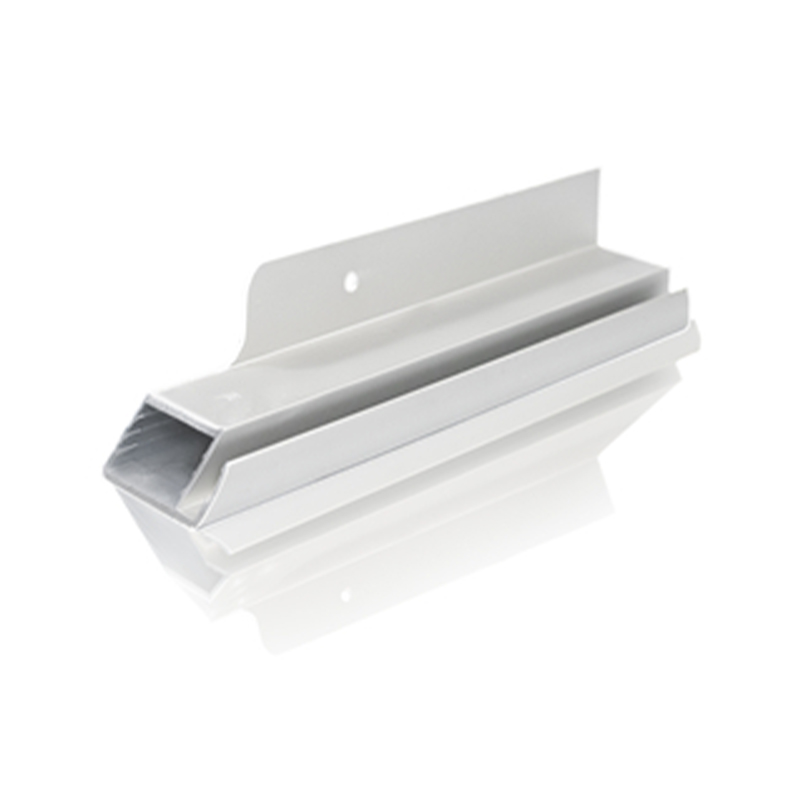
| Rail / Mounting Rail | Primary load-bearing member, supports panel weight and lateral forces | Rooftop and ground-mount systems |
| Panel Frame Profile | Encases the glass laminate of the panel, provides edge protection | Standard framed PV modules |
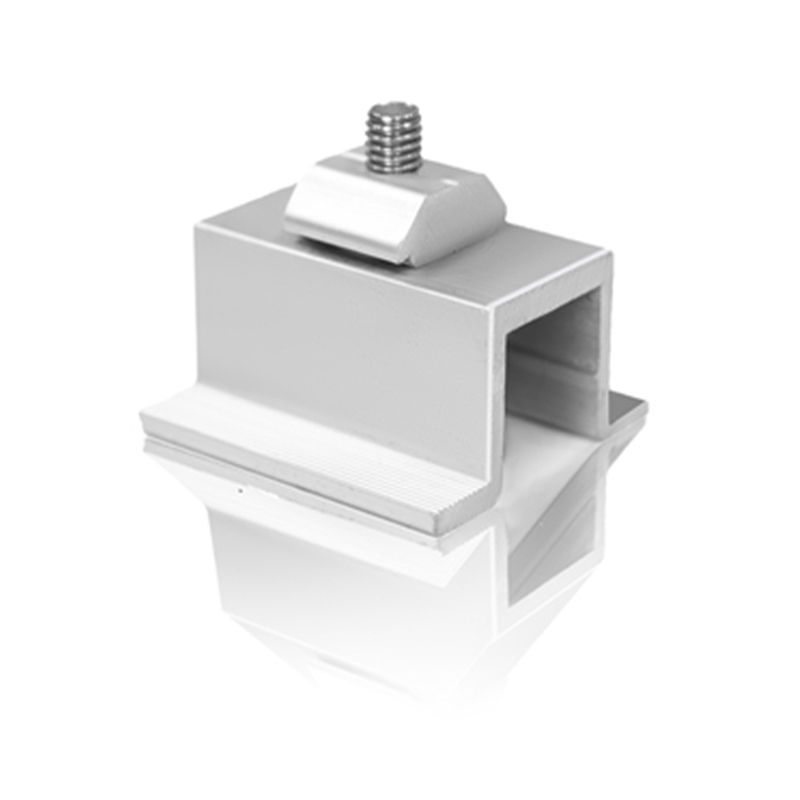
| Mid Clamp / End Clamp | Secures panels to rails, transfers point loads | All panel types with frame |
| Splice Connector | Joins two rail sections end to end for extended runs | Large commercial arrays |
| L-Foot / Base Bracket | Anchors the rail system to roof structure or ground pile | Rooftop pitched and flat systems |
| Tilt Leg / Angle Bracket | Adjusts panel inclination angle on flat surfaces | Flat-roof and carport systems |
Manufacturing photovoltaic aluminum profiles begins with casting high-purity aluminum alloy billets, most commonly from the 6000 series. The billets are heated to approximately 500°C and pushed through precision steel dies under pressures of up to 15,000 tons, emerging as continuous profiles with complex internal geometries including hollow chambers, T-slots, and integrated channels for fastener insertion.
After extrusion, profiles undergo age hardening — a heat treatment process that aligns the alloy's microstructure to achieve the target mechanical properties of the T5 or T6 temper designation. Surface treatment follows, and manufacturers typically offer three options:
Photovoltaic aluminum profiles are deployed across a wide spectrum of installation types, and the specific profile geometry required varies considerably between them.
In residential settings, compact rail profiles with integrated T-slots for mid and end clamps are the most common solution. These systems prioritize ease of installation and low roof penetration count. The lightweight nature of aluminum means that most residential roof structures can accommodate the additional load without engineering modifications.
Commercial flat-roof installations frequently use ballasted or low-slope tilt systems where aluminum tilt legs and aerodynamic profile shapes reduce wind uplift forces. Longer rail spans of 3 to 6 meters are common, requiring profiles with higher moment of inertia cross-sections to prevent excessive deflection under load.
At utility scale, aluminum profiles are typically combined with hot-dip galvanized steel piles and cross-members to balance cost and corrosion performance. The aluminum components most commonly seen at this scale are panel frame profiles, mid and end clamps, and purlins that span between steel cross-members.
Building-integrated photovoltaics (BIPV) and solar carport structures demand aluminum profiles that combine structural performance with architectural appearance. Custom extrusion profiles are frequently developed for these projects, incorporating hidden fastener channels, cable management slots, and finishing surfaces compatible with powder-coat color matching.
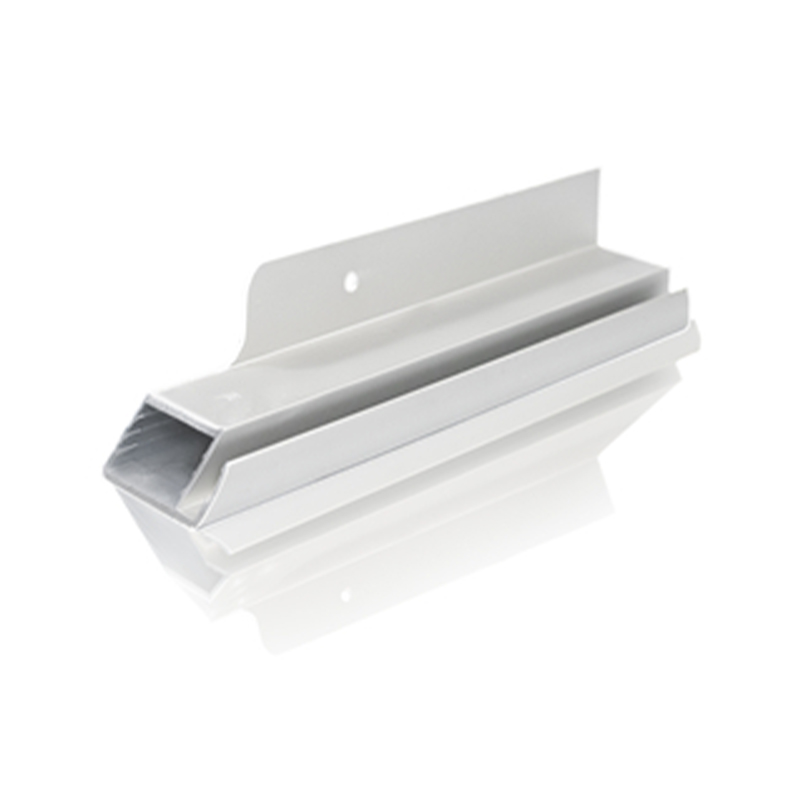
Choosing the correct profile for a project requires evaluating several interdependent factors. Treating this as a checklist reduces the risk of structural failure, installation delays, and warranty issues.
One of the most compelling arguments for aluminum in photovoltaic applications is its recyclability. Aluminum can be recycled indefinitely without loss of mechanical properties, and recycling requires only about 5% of the energy needed to produce primary aluminum from bauxite ore. As the first generation of large-scale solar installations approaches the end of their 25–30 year design life, the ability to recover and reuse aluminum mounting components is becoming an increasingly important part of the solar industry's circular economy strategy.
Several manufacturers now offer take-back programs for decommissioned mounting hardware, and the scrap value of recovered aluminum offsets a portion of the decommissioning cost — a financial benefit that strengthens the overall lifecycle economics of solar investment. For project developers calculating levelized cost of energy (LCOE), accounting for end-of-life aluminum recovery value is a legitimate and growing practice.
Innovation in PV aluminum profiles is being driven by three converging pressures: the need to reduce installation labor costs, the demand for systems compatible with larger and heavier next-generation panels, and the push to minimize material consumption per watt of installed capacity. Responses to these pressures include tool-free splice connectors that snap into position without fasteners, integrated cable management grooves that eliminate separate conduit runs, and computational optimization of cross-sectional geometry to remove material from low-stress zones while maintaining deflection performance.
As bifacial panel adoption increases and tracker systems become more widespread in utility projects, aluminum profile designers are also developing low-profile, aerodynamically optimized cross-sections that minimize shading on the rear cell surface and reduce wind resistance on single-axis tracker torque tubes. The combination of advanced alloy development, precision extrusion, and system-level design integration means that photovoltaic aluminum profiles will continue to evolve in step with the panels and inverters they support — quietly powering the energy transition from the ground up.
 +86-19156366875
 No. 1016, Baocheng Road, Economic and Technological Development Zone, Xuancheng City, Anhui Province, China
Copyright © Anhui Huilong Group Huilv New Material Technology Co., Ltd. All Rights Reserved
Aluminum Profiles Manufacturers