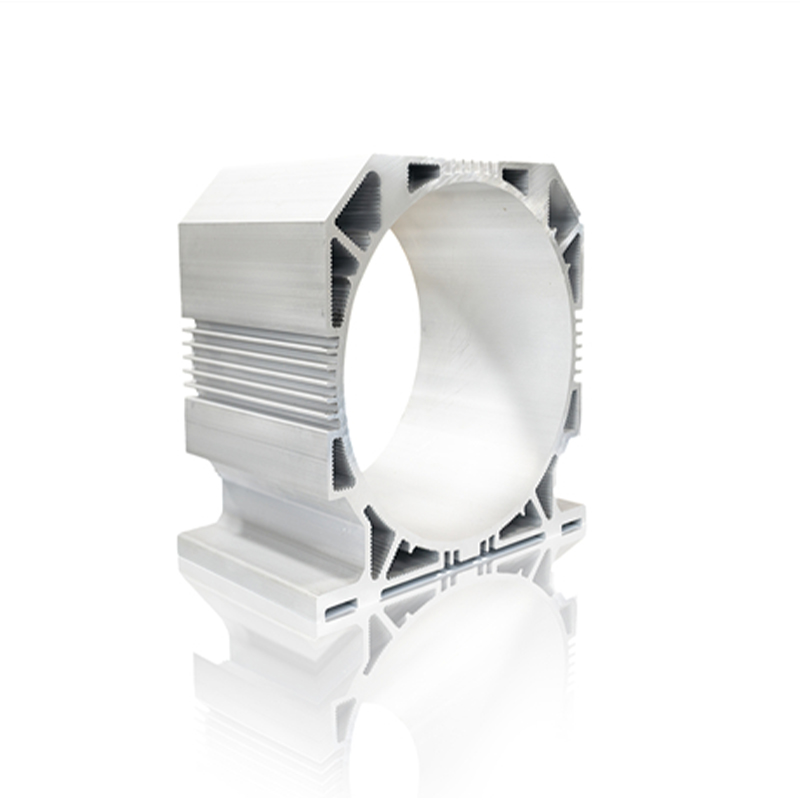
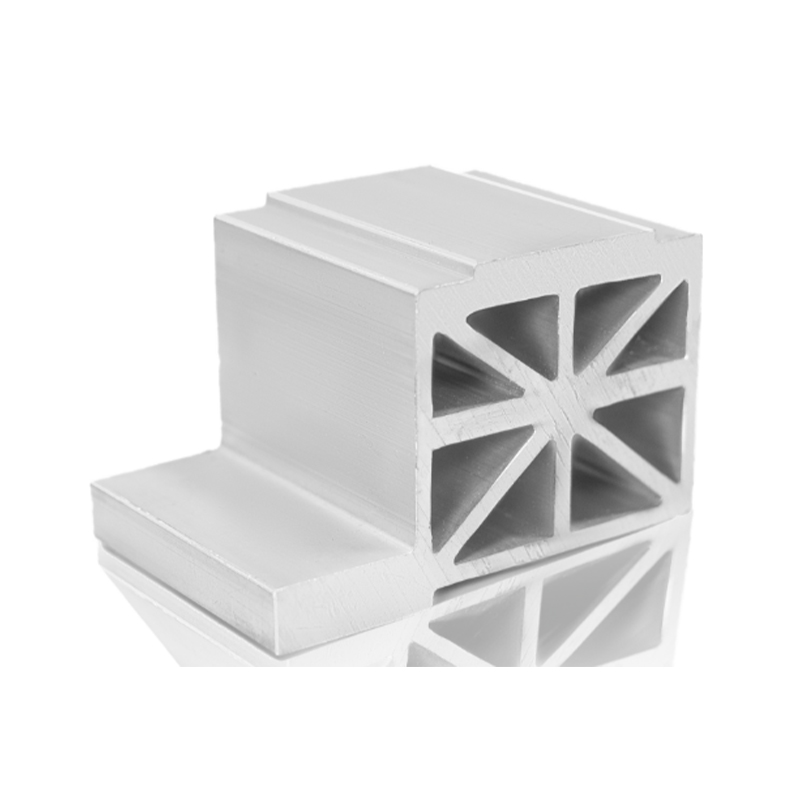
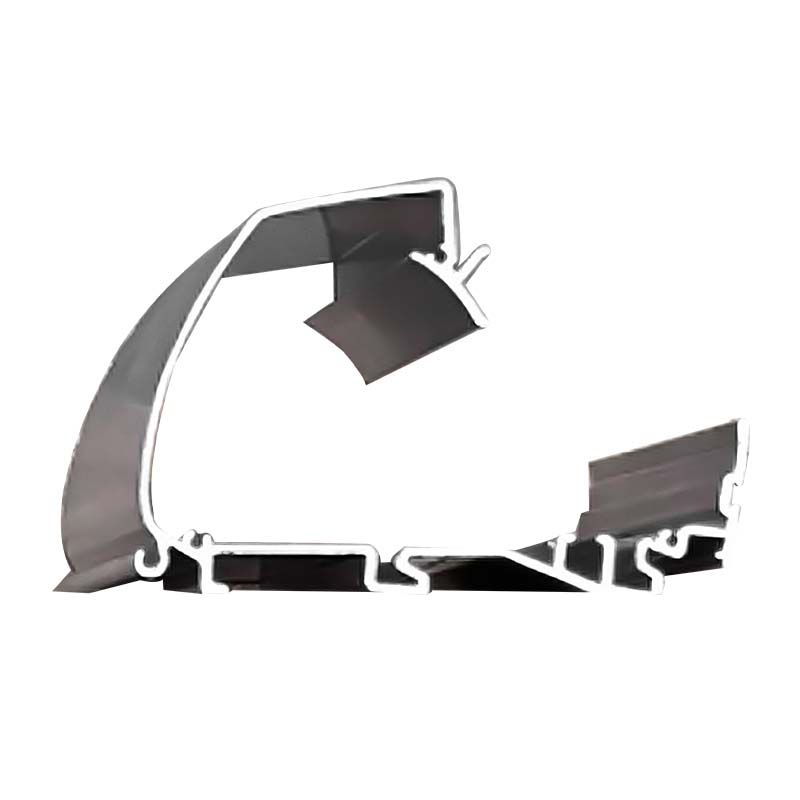
Motor housing manufacturers increasingly rely on extruded aluminum profiles rather than cast enclosures, particularly for small and mid-frame electric motors where weight, thermal performance, and production flexibility matter most. Extrusion offers a distinct manufacturing pathway compared to die casting, with its own advantages in tolerance control, fin geometry, and material efficiency. This article examines how aluminum profiles are engineered, machined, and finished into finished motor housings, and what specifications buyers should evaluate.
Content
Extrusion forces heated aluminum billet through a shaped die, producing a continuous cross-section that can then be cut to length for individual housings. This process is particularly well suited to motor housings because the cross-sectional profile, including cooling fins, mounting features, and wall thickness, is defined once in the die and repeated consistently along the entire length of the extrusion. Unlike casting, where each part is formed individually and subject to shot-to-shot variation, extrusion produces highly repeatable cross-sections, which simplifies downstream machining and quality control across large production runs.
Extruded housings are also well suited to modular product lines. A single die can produce housing stock for multiple frame lengths simply by cutting the extrusion to different lengths, allowing manufacturers to serve a range of motor power ratings from one tooling investment rather than requiring separate casting dies for each size variant.
Alloy choice affects extrudability, mechanical strength, and thermal performance, and different alloys are selected depending on the priority for a given application.
6063 aluminum is widely used in motor housing extrusions because of its excellent extrudability, allowing thin, closely spaced cooling fins to be formed cleanly without die lines or surface defects. This makes it a common choice where fin density needs to be maximized for surface-area-driven cooling in fan-cooled or natural-convection motor designs.
6061 aluminum offers higher mechanical strength than 6063 after heat treatment, making it preferable for housings that carry structural loads beyond simply containing the stator, such as motors mounted in vibration-heavy industrial equipment or applications where the housing itself bears part of the mechanical load path. The trade-off is a somewhat more complex extrusion process, since 6061 is less free-flowing through the die than 6063.
| Consideration | 6063 | 6061 |
| Extrudability | Excellent, ideal for fine fin detail | Moderate, requires more press control |
| Mechanical strength | Lower, suited to lighter-duty housings | Higher, suited to structural or vibration-heavy use |
| Surface finish | Very smooth, well suited to anodizing | Slightly coarser, still anodizable |
| Typical use case | Fan-cooled and general industrial motors | Heavy-duty and structurally loaded motors |
One of the greatest advantages of extrusion over casting is the ability to form long, continuous, uniform cooling fins along the entire length of the housing without draft angles or parting-line constraints. Fin height, thickness, and spacing can be tuned within the die design to balance surface area against airflow resistance.
Because the fin pattern is fixed in the die, any change to fin geometry requires new tooling, so manufacturers typically standardize a small number of fin profiles across multiple housing diameters to control tooling costs while still meeting thermal targets for each motor series.
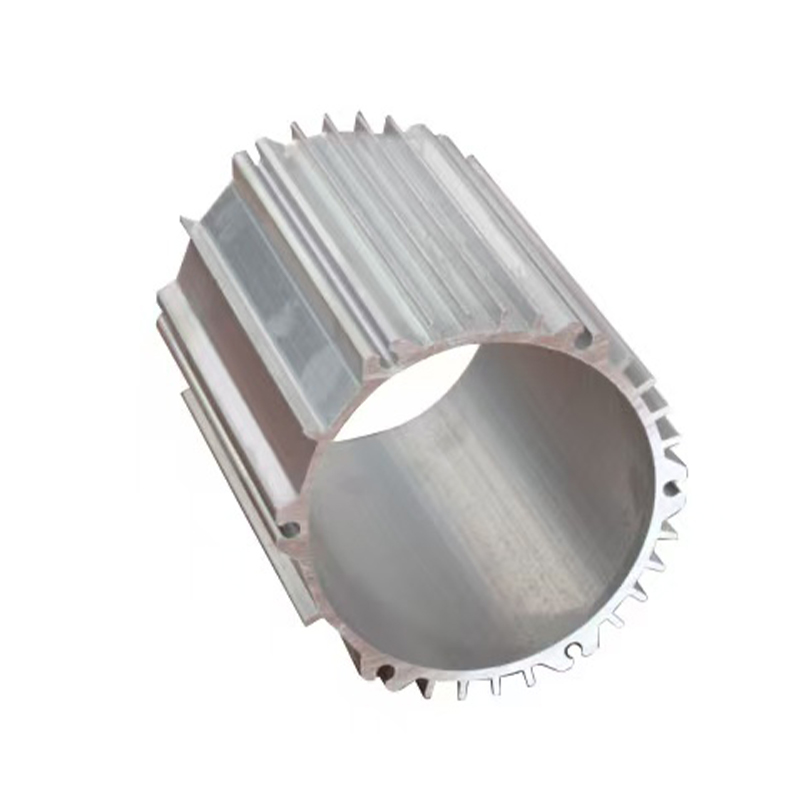
An extruded profile leaves the press as raw stock with a rough outer form and internal bore that is not yet dimensionally suited to house a stator. Secondary machining operations bring the housing to final tolerance.
The internal bore is machined to accept the stator lamination stack with a controlled interference or transition fit. Poor roundness or taper in this bore can distort the stator during assembly, increasing vibration and electromagnetic noise in the finished motor, so this operation is typically performed on precision boring equipment with tight roundness and straightness controls.
Each end of the housing is faced flat and bored to accept end shields or bearing caps, with mounting holes drilled and tapped according to the motor's frame standard. Any deviation in these end-face features affects shaft alignment and bearing preload, making this stage critical to the motor's mechanical reliability.
Extruded aluminum profiles respond well to a range of surface treatments, which affect both appearance and functional performance in the field.
Choosing an aluminum profile supplier for motor housing production involves more than comparing per-kilogram material cost. Buyers should evaluate die design capability, since fin geometry and wall thickness directly affect thermal performance; extrusion press tonnage and tolerance history, since these determine how consistent wall thickness will be along the full profile length; in-house machining capability, since coordinating bore finishing and end machining with the extrusion supplier reduces handling steps and dimensional risk; and surface treatment options available on-site, since outsourcing anodizing or coating to a third party adds lead time and logistics complexity to the production chain. Matching these capabilities to a motor program's volume, tolerance requirements, and thermal targets ensures the housing supports reliable long-term motor performance rather than becoming a limiting factor in the design.
 +86-19156366875
 No. 1016, Baocheng Road, Economic and Technological Development Zone, Xuancheng City, Anhui Province, China
Copyright © Anhui Huilong Group Huilv New Material Technology Co., Ltd. All Rights Reserved
Aluminum Profiles Manufacturers