Content
A squeak from the front suspension at low speed is often the first clue that a bushing has hardened and cracked. What begins as a minor annoyance can rapidly degrade steering precision and tire life. Recognizing this early makes the difference between a simple bushing replacement and costly suspension repairs.
An automotive bushing is a vibration‑damping connector installed between metal suspension and chassis components. Its core job is to isolate road shock, prevent metal‑to‑metal contact, and allow controlled movement. Traditional bushings use solid rubber or polyurethane, but a quieter transformation is happening across the industry: aluminum composite bushings, which pair a lightweight aluminum outer shell with a rubber or polyurethane inner core, are becoming the go‑to choice for weight‑sensitive platforms. This hybrid design delivers the stiffness needed for precise suspension geometry while retaining effective noise and vibration isolation.
The shift is especially visible in electric vehicles and premium sedans, where every kilogram saved directly improves range. Browse our ready-to-use automotive bushing assemblies for electric and hybrid vehicles.
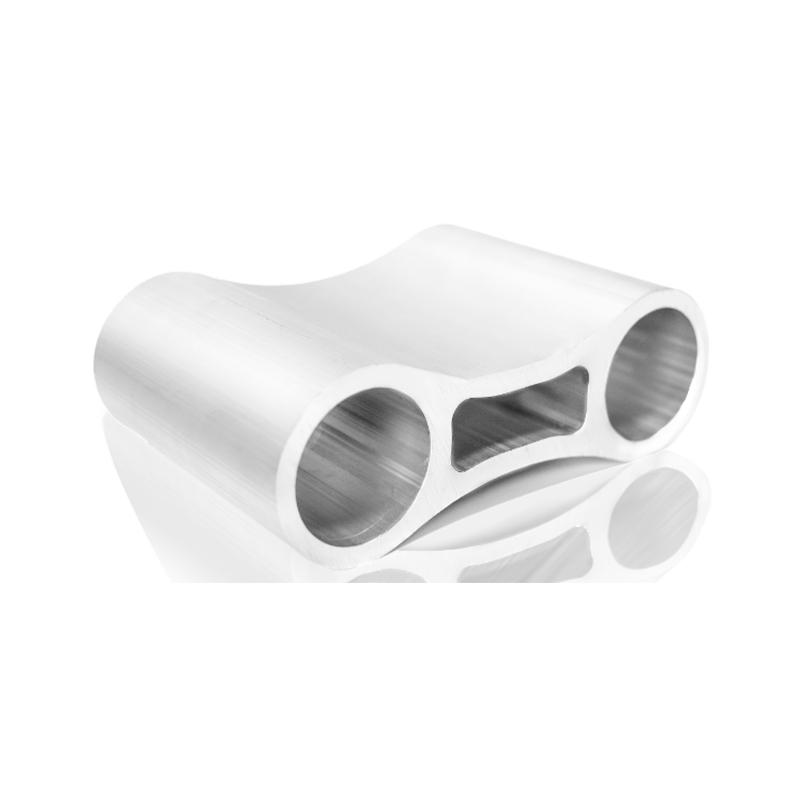
 Automotive Bushing Suppliers, Factory - Anhui Huilong Group Huilv New Material THuilv is Automotive Bushing Suppliers and Bulk Automotive Bushing Factory in China, Wholesale Automotive Bushing online, Automotive Bushi...View Product →
Bushings perform four critical tasks, and a failure in any one of them quickly shows up in the driver’s seat. Their primary function is vibration absorption—road irregularities that would otherwise travel straight into the steering wheel and cabin are dampened before they reach the driver. Equally important is metal‑component isolation: control arms, stabilizer bars, and subframes never touch each other directly, which eliminates galvanic wear and reduces harshness.
The third role, often overlooked, is suspension geometry preservation. A bushing with the right radial and axial stiffness keeps the wheel aligned under braking and cornering loads. When an aluminum shell is used, the bushing resists deformation more consistently than pure rubber, helping engineers maintain the designed camber and toe settings over a broader temperature range. Finally, the bushing suppresses mid‑frequency noise that exhaust hangers and rigid mounts cannot handle alone.
Bushings are distributed across nearly every pivot point in a modern vehicle. Technicians and engineers will find them in:
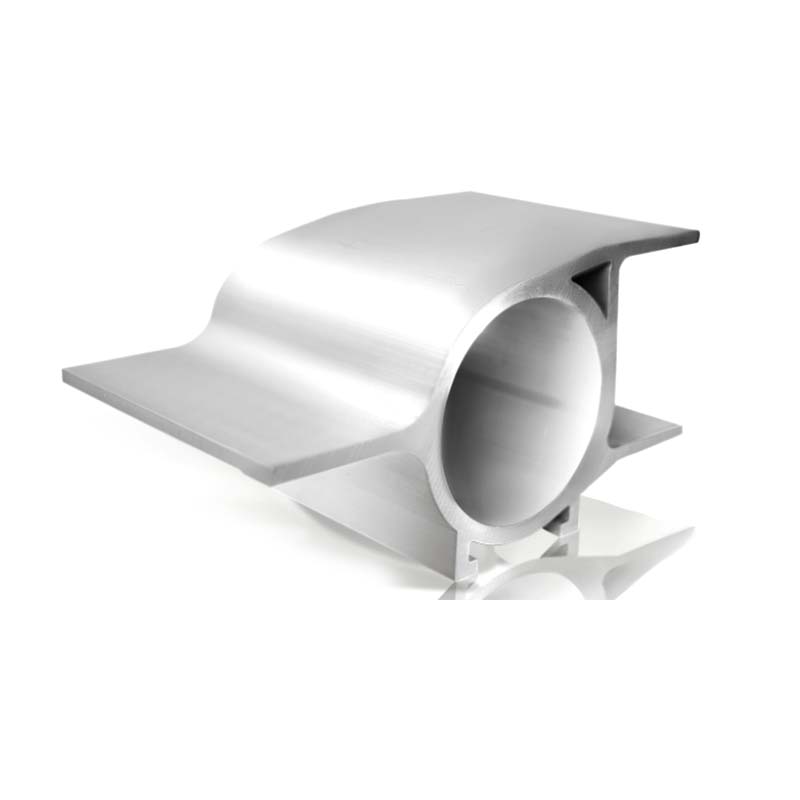
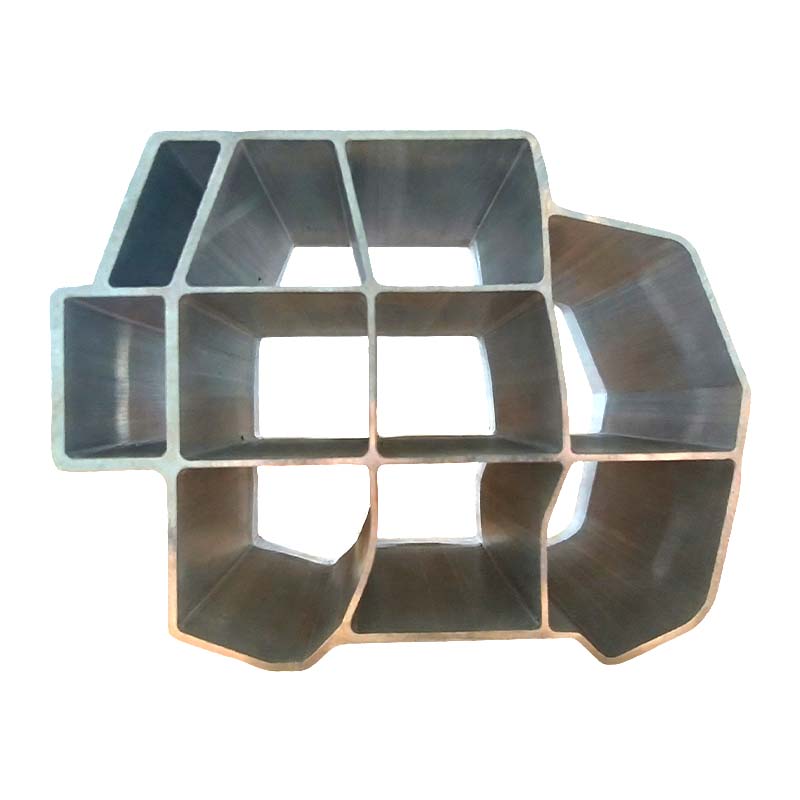
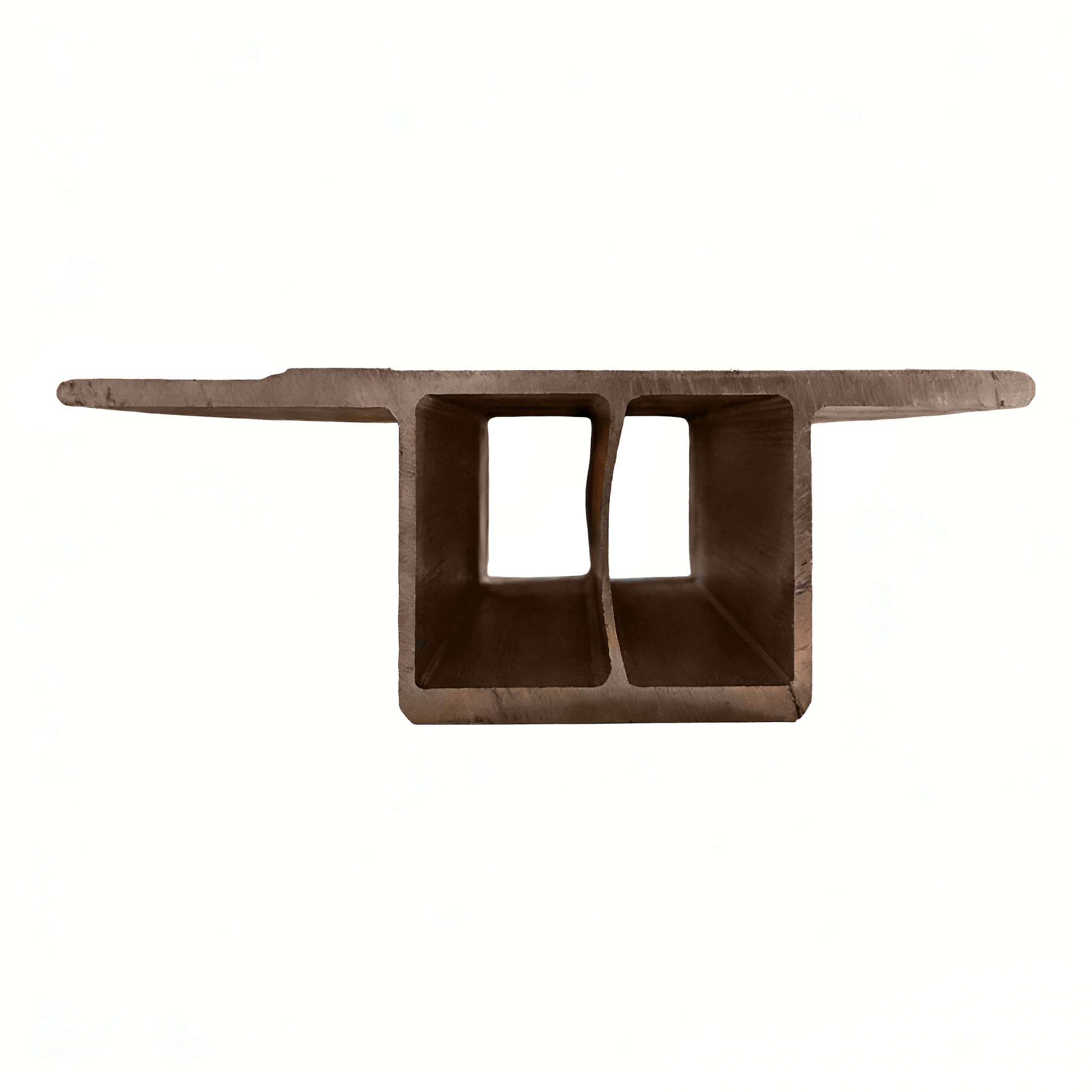
In battery‑electric vehicles, high‑voltage battery trays and drive‑unit mounts demand bushings that can cope with elevated high‑frequency vibration while adding minimal mass. This is where aluminum‑core bushings are proving their worth, particularly because the entire surrounding structure often already uses aluminum extrusions. Learn more about our full range of automotive lightweight aluminum extrusion solutions.
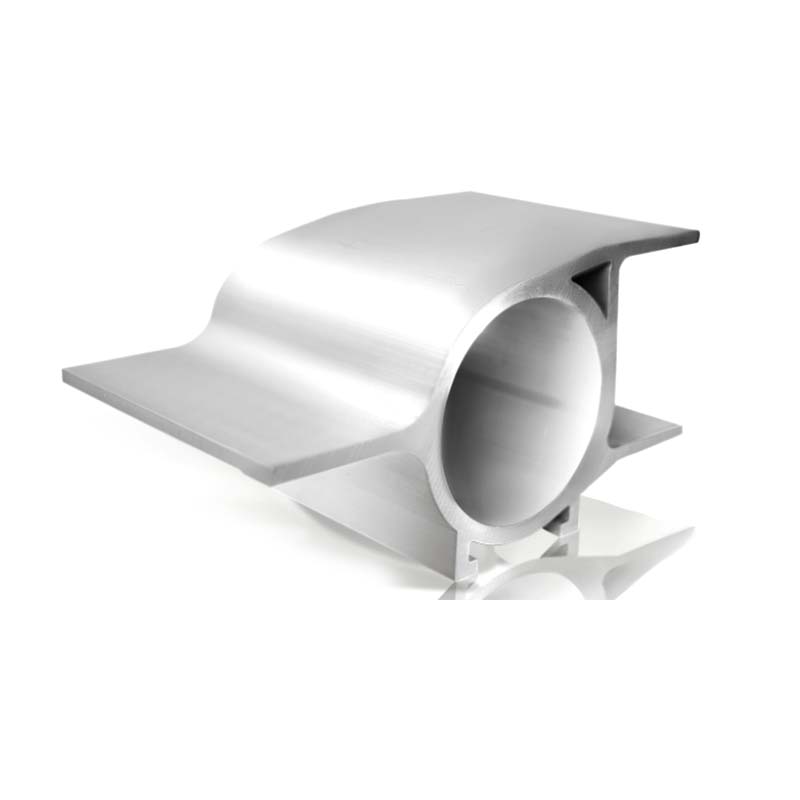
 Automobile Aluminum Extrusion Profiles Manufacturers, FactoryAs Automotive Aluminum Extrusions Manufacturers and Automobile Aluminum Profiles Factory in China, Huilv offer Custom Automobile Lightwei...View Product →
No single material wins every category. Rubber dominates comfort and cost; polyurethane extends service life; aluminum composite bushings shift the balance toward weight savings and structural precision. The table below summarizes the key trade‑offs.
| Material | Typical Service Life | Hardness / Stiffness | NVH Isolation | Weight | Relative Cost |
|---|---|---|---|---|---|
| Rubber | 60,000–80,000 miles | Low to Medium | Excellent | Standard | Low |
| Polyurethane | 100,000+ miles | Medium to High | Moderate | Similar to rubber | Medium |
| Aluminum (composite) | 120,000+ miles | High (outer shell) | Good (with rubber/poly core) | 20–30% lighter | Higher initial; lower long‑term |
Industry data show that polyurethane bushings commonly last roughly twice as long as conventional rubber units, but they transmit more road texture into the cabin. Aluminum composite bushings, by encasing a carefully tuned elastomer core inside a rigid extruded shell, cut bushing weight by 20–30% without the harshness penalty of a full‑metal joint. This makes them especially attractive for front‑lower control arms, where unsprung mass directly affects handling. For a fleet manager or an OE purchasing engineer, the higher upfront cost of aluminum is frequently offset by longer replacement intervals and reduced warranty claims related to suspension slop.
Vehicle electrification has rewritten the rulebook for chassis components. A battery‑electric sedan can carry 500 kg more than its combustion‑engine counterpart, yet automakers still need to hit strict energy‑consumption targets. Independent studies suggest that every 100 kg of mass reduction can improve electric range by approximately 5%, pushing material choices away from heavy steel and toward aluminum wherever possible.
Aluminum bushings fit this equation from two angles. First, they directly lower unsprung mass, which improves both range and suspension responsiveness. Second, EVs generate a distinct, higher‑frequency vibration signature from their electric drive units and the stiff battery tray structure. A rigid aluminum outer shell combined with a tuned elastomer core damps these frequencies more effectively than an all‑rubber design that would soften over time.
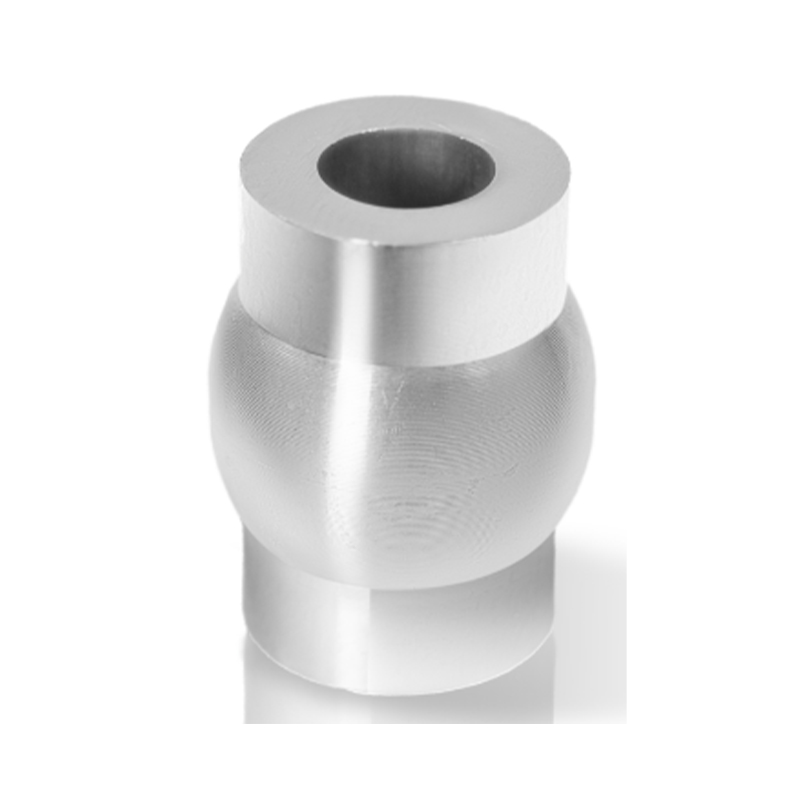
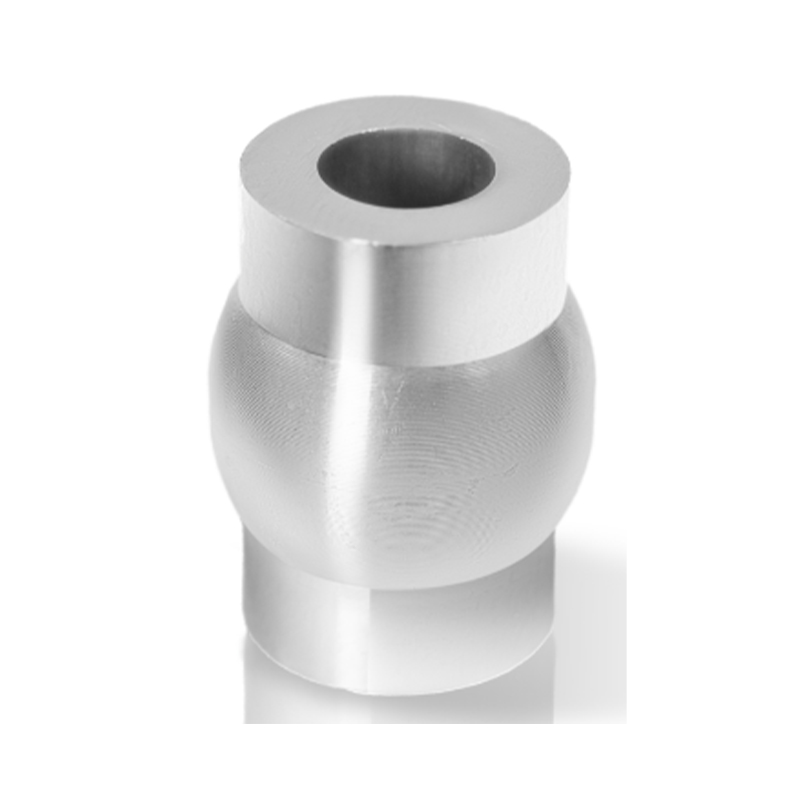
The manufacturing process behind these components also matters. Precision‑extruded aluminum bushing inner cores, machined to tight tolerances, ensure consistent press‑fit dimensions and concentricity. Explore our custom-extruded aluminum bushing inner cores made for high-durability applications.
Automotive Bushing Inner Core Suppliers, Factory - Anhui Huilong Group Huilv NewHuilv is Automotive Bushing Inner Core Suppliers and Bulk Automotive Bushing Inner Core Factory in China, Wholesale Automotive Bushing In...View Product →
Battery‑pack mounts are a perfect example. They require electrical isolation, structural integrity, and the ability to survive thousands of thermal cycles without cracking. Aluminum composite bushings deliver the grounding‑safe isolation and stiffness repeatability that stamped steel brackets cannot match. Motor mounts follow the same logic, where a lightweight aluminum bushing housing becomes a natural extension of an aluminum motor casing, eliminating mixed‑metal corrosion risks.
Bushings rarely fail without warning. The most common red flags include:
Most workshops recommend a thorough bushing inspection every 60,000 to 80,000 miles, though vehicles that operate on rough roads or carry heavy loads may need attention sooner. Aluminum composite bushings tend to outlast their pure‑rubber counterparts, often reaching well over 100,000 miles before measurable play appears, because the aluminum shell protects the internal elastomer from environmental degradation. When replacement is finally required, choosing an OE‑grade aluminum bushing can extend the next service interval and help preserve the crisp steering feel that defines a well‑maintained vehicle.
 +86-19156366875
 No. 1016, Baocheng Road, Economic and Technological Development Zone, Xuancheng City, Anhui Province, China
Copyright © Anhui Huilong Group Huilv New Material Technology Co., Ltd. All Rights Reserved
Aluminum Profiles Manufacturers