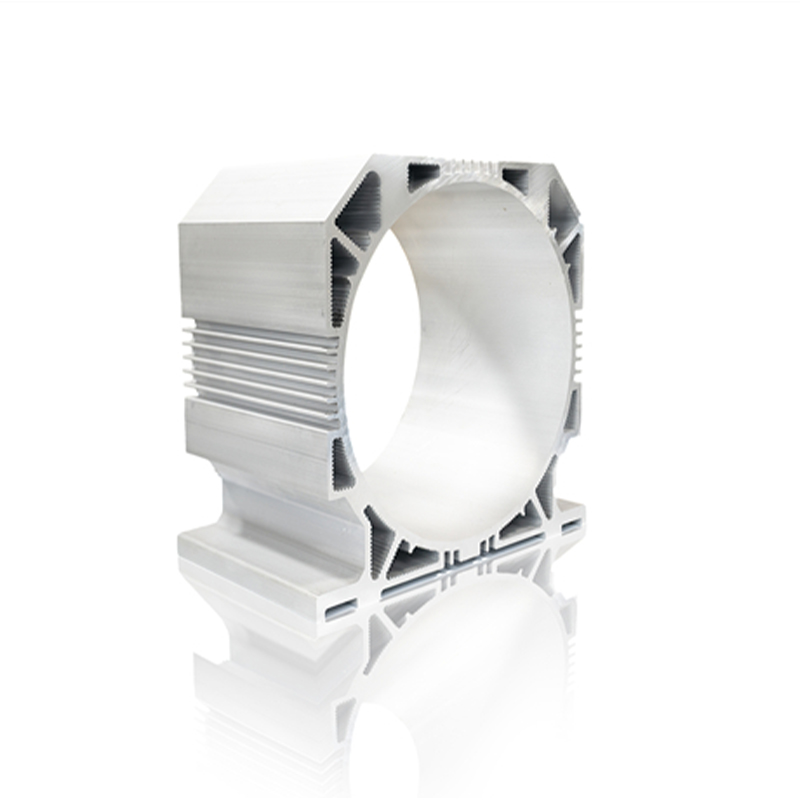
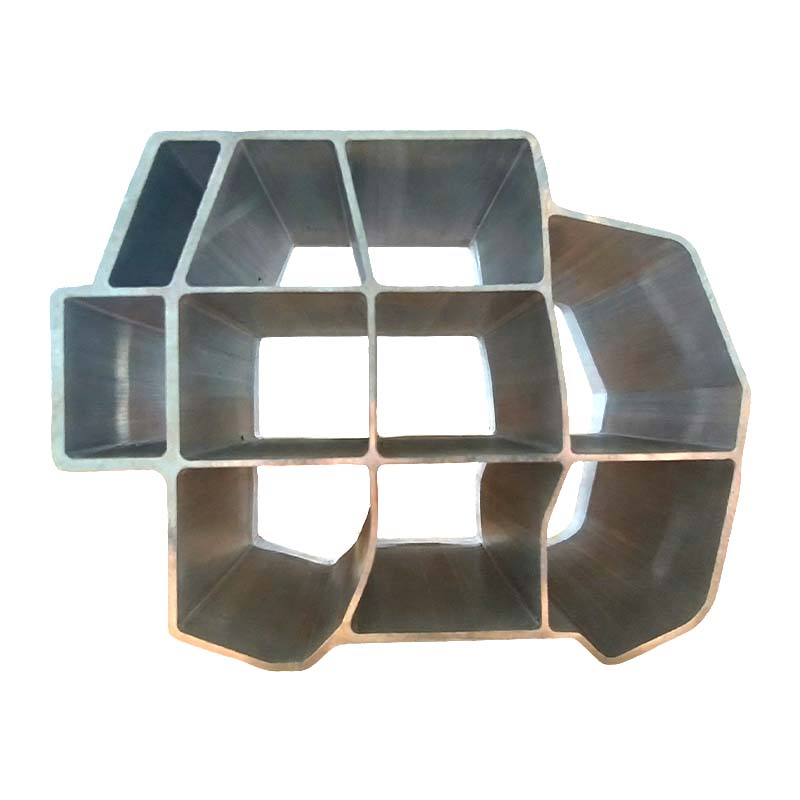
Aluminum rarely reaches customers in its pure form. The moment you need a metal to hold a window in place, carry a solar panel across a rooftop, or shield a battery pack in a collision, you are really working with aluminum alloys — and that distinction matters far more than most buyers expect.
We spend our days extruding aluminum profiles for buildings, solar installations, vehicles and industrial equipment. So here is our plain-language view of what aluminum and aluminum alloys actually are, how the main families behave in practice, and how to choose a grade without over-specifying or under-buying.
Content
Commercially pure aluminum is soft, ductile, and unusually good at conducting heat and electricity. It also resists corrosion well, because a thin oxide layer re-forms on its surface within seconds of being scratched. What it lacks is strength: in the annealed state, pure aluminum is far too soft for anything structural.
Alloying fixes that. Controlled additions of copper, magnesium, silicon, zinc or manganese raise strength, improve machinability, or simply make the metal easier to press through a die. The base metal stays aluminum — light, conductive, corrosion-resistant — while its mechanical behaviour changes dramatically.
Two families matter here. Wrought alloys are shaped by rolling, extrusion or forging; cast alloys are poured into moulds. Nearly everything we produce sits on the wrought side, and most of it belongs to one family in particular: 6xxx.
The four-digit designation is friendlier than it looks. The first digit names the main alloying element; the remaining digits identify the specific composition. A quick tour:
| Series | Main alloying element | Typical character | Common uses |
|---|---|---|---|
| 1xxx | None (99%+ pure) | Excellent conductivity, low strength | Conductors, foil, chemical equipment |
| 2xxx | Copper | High strength, weaker corrosion resistance | Aerospace structures, high-load parts |
| 3xxx | Manganese | Moderate strength, very formable | Roofing, cookware, heat exchangers |
| 4xxx | Silicon | Low melting point, low expansion | Welding wire, brazing, pistons |
| 5xxx | Magnesium | Good strength, marine-grade corrosion resistance | Marine plate, vehicle bodies, tanks |
| 6xxx | Magnesium + silicon | Extrudable, weldable, moderate to good strength | Window and door profiles, curtain walls, battery housings |
| 7xxx | Zinc | Highest strength, lower corrosion resistance | Aircraft, heavily loaded structures |
| 8xxx | Other elements | Specialist properties | Bearings, packaging, niche applications |
Two profiles can share the same alloy number and behave completely differently, because the temper — the letter and digits after the dash — records how the metal was heat-treated or work-hardened. 6063-O and 6063-T6 are the same chemistry with very different strength.
For extruded profiles, T5 (cooled from the press and artificially aged) and T6 (solution heat treated, quenched, then aged) are the everyday options. T6 delivers higher strength. T5 is normally sufficient for windows and frames and is gentler on the extrusion process, so it keeps dimensional control easier and cost lower. We have covered the detail in a closer look at 6063-T5 properties, uses and design tips if you want the numbers.
There is a reason aluminum sits second only to steel among metals in commercial use. Summarized briefly:
Our own catalogue splits along three lines — architectural profiles, photovoltaic profiles, and industrial profiles — and that split mirrors how the market actually buys.
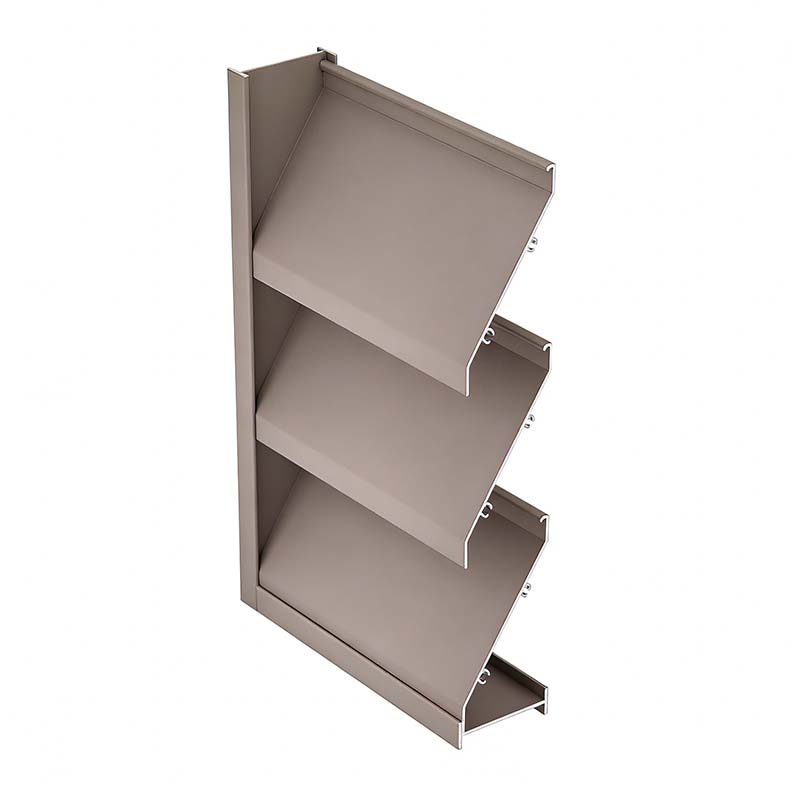
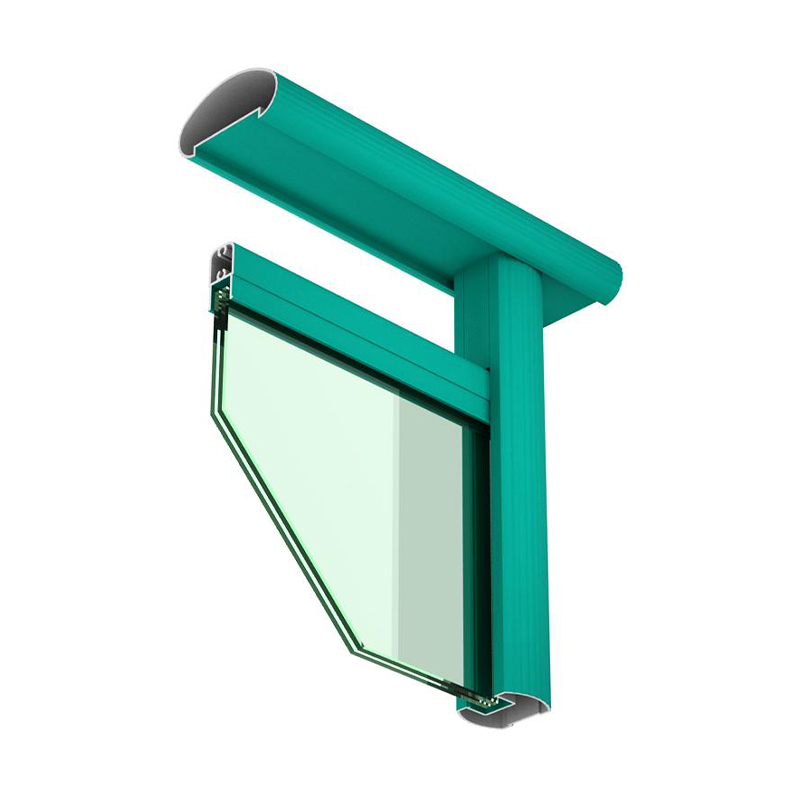
Windows, doors, curtain walls, sunshades and balcony railings all lean on 6xxx extrusions, usually in T5 or T6. The interesting engineering sits in thermal break design, where a polyamide strip separates the inner and outer profile so heat stops travelling straight through the frame. On a cold morning, that detail is the difference between a window that sweats and one that does not.
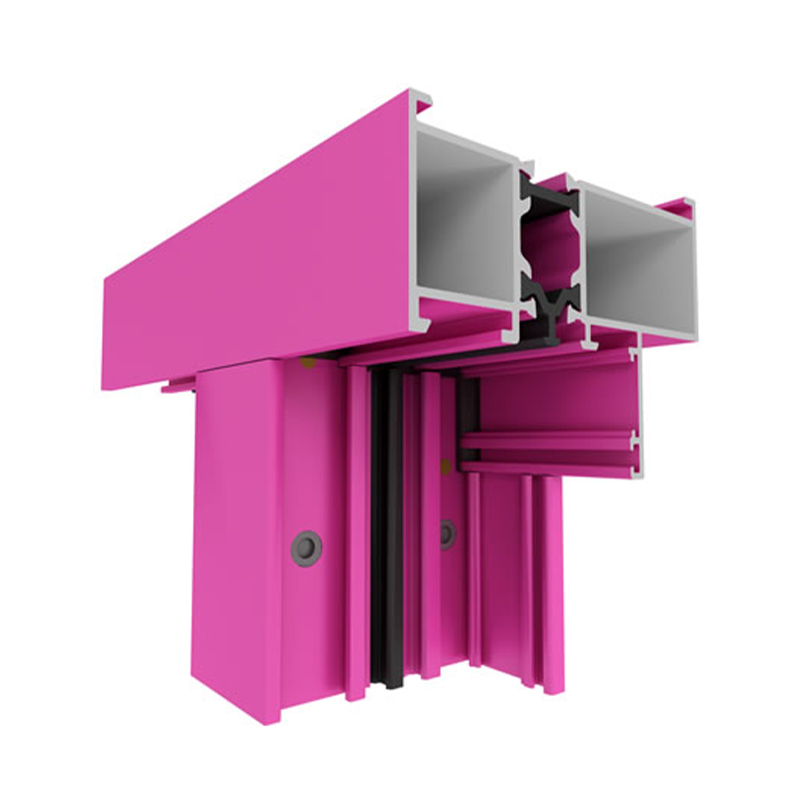 Thermal Break Aluminum Casement Window ProfilesPA66 GF25 thermal break strips and multi-chamber structures support energy-efficient casement windows, including the MEP2-100 series with a 55 mm thermal break.View Product →
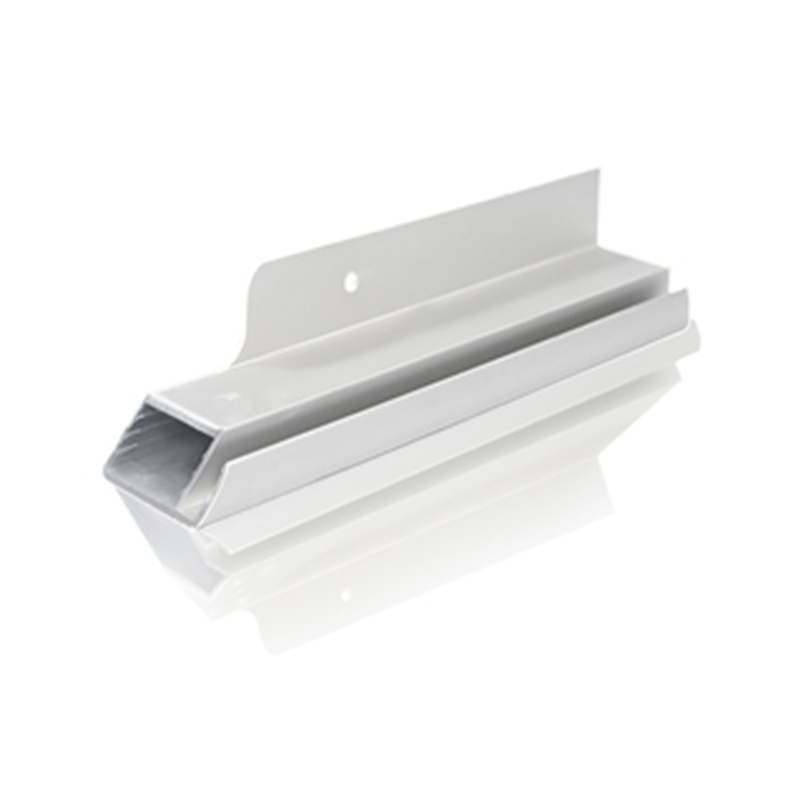
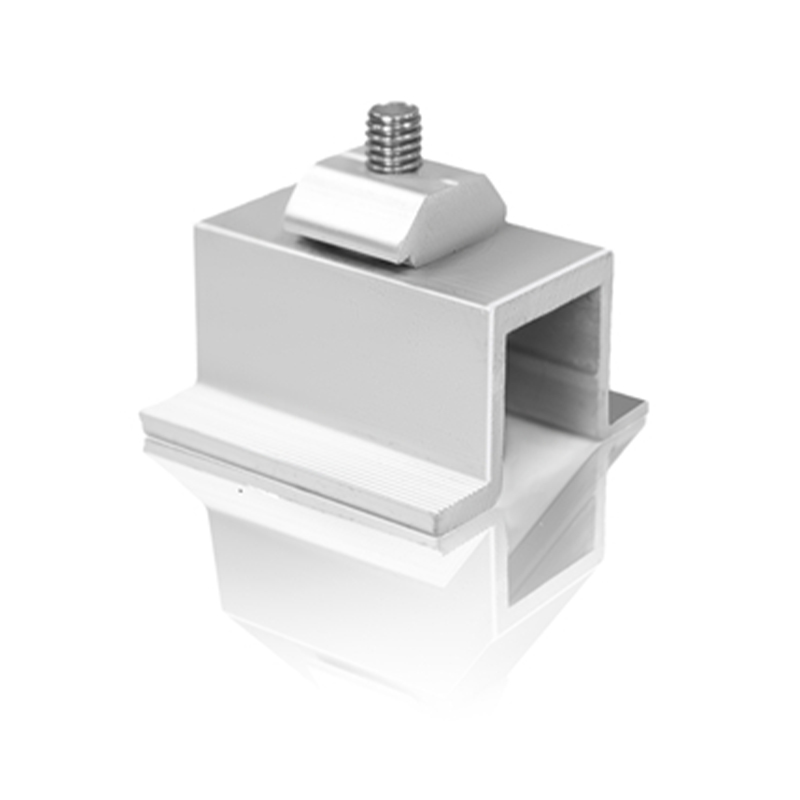
A photovoltaic module needs a frame that survives twenty-five years of ultraviolet light, thermal cycling and wind load without warping or corroding. Aluminum alloy frames manage that at a weight installers can handle on a roof, and the same material carries the mounting rails and brackets underneath.
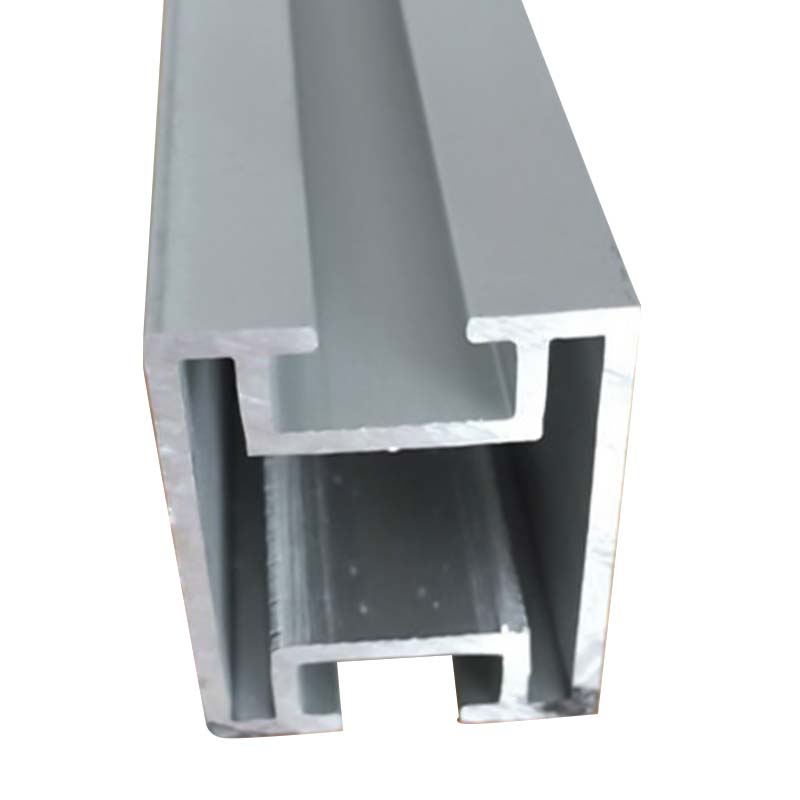 Aluminum Solar Panel Frames for Photovoltaic ModulesLightweight, corrosion-resistant aluminum frames with high dimensional accuracy support ground-mounted and rooftop photovoltaic modules across multiple panel sizes.View Product →
Lightweighting is where aluminum alloys earn their premium. Crash boxes, bumper beams, sill beams, battery trays, battery end plates, motor housings and pipe connectors are now routinely extruded rather than stamped from steel, because the alloy absorbs impact energy predictably and hollow sections can be designed to crush in a controlled way.
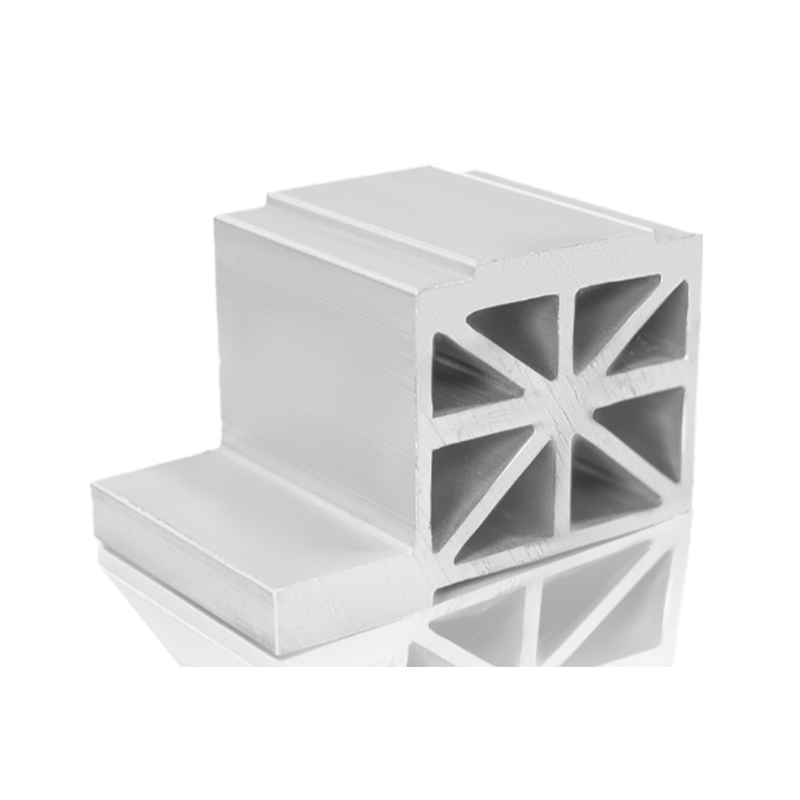 Battery Tray Aluminum Profiles for New Energy VehiclesHigh-strength, lightweight profiles provide heat dissipation and structural support for passenger and commercial new energy vehicle battery systems.View Product →
Assembly line frames, machine guards, workstations and medical equipment racks are built from T-slot aluminum profiles for a simple reason: they can be cut, drilled and reconfigured on site with a hex key. No welding, no repainting, no waiting for a fabricator.
If you are specifying from scratch, the sequence below tends to keep projects honest:
No material is universal, and aluminum alloys have honest weaknesses:
We are an aluminum profile manufacturer within Anhui Huilong Group, working across architectural, photovoltaic and industrial extrusion. In practice that means a customer can bring us a window system, a solar frame drawing or a battery tray concept and get the same conversation about alloy, temper, wall thickness and finish — rather than three separate suppliers with three sets of tolerances.
We try to keep that conversation practical. If 6063-T5 will do the job, we will say so, even when a higher grade would look better on the quotation.
Aluminum and aluminum alloys reward people who understand the difference between the metal and the material. Pure aluminum gives you conductivity and corrosion resistance; the alloys give you the strength, extrudability and consistency that real projects demand. Get the series and the temper right, keep the wall thickness honest, and the rest of the design usually falls into place.
 +86-19156366875
 No. 1016, Baocheng Road, Economic and Technological Development Zone, Xuancheng City, Anhui Province, China
Copyright © Anhui Huilong Group Huilv New Material Technology Co., Ltd. All Rights Reserved
Aluminum Profiles Manufacturers