Content
T-slot aluminum profiles significantly reduce vehicle weight while maintaining structural integrity, making them a practical solution for modern automotive engineering.
With increasing demands for fuel efficiency and electric vehicle range optimization, lightweight materials are no longer optional. Aluminum profiles, especially modular T-slot systems, offer a balance between strength, flexibility, and manufacturability. Compared to traditional steel structures, aluminum can reduce component weight by 30%–50% while still meeting performance requirements.
T-slot aluminum profiles are widely used across various automotive components due to their modularity and ease of assembly.
For example, in electric vehicles, lightweight battery trays made from aluminum profiles can reduce total vehicle mass by 10–15 kg per unit, directly improving driving range.
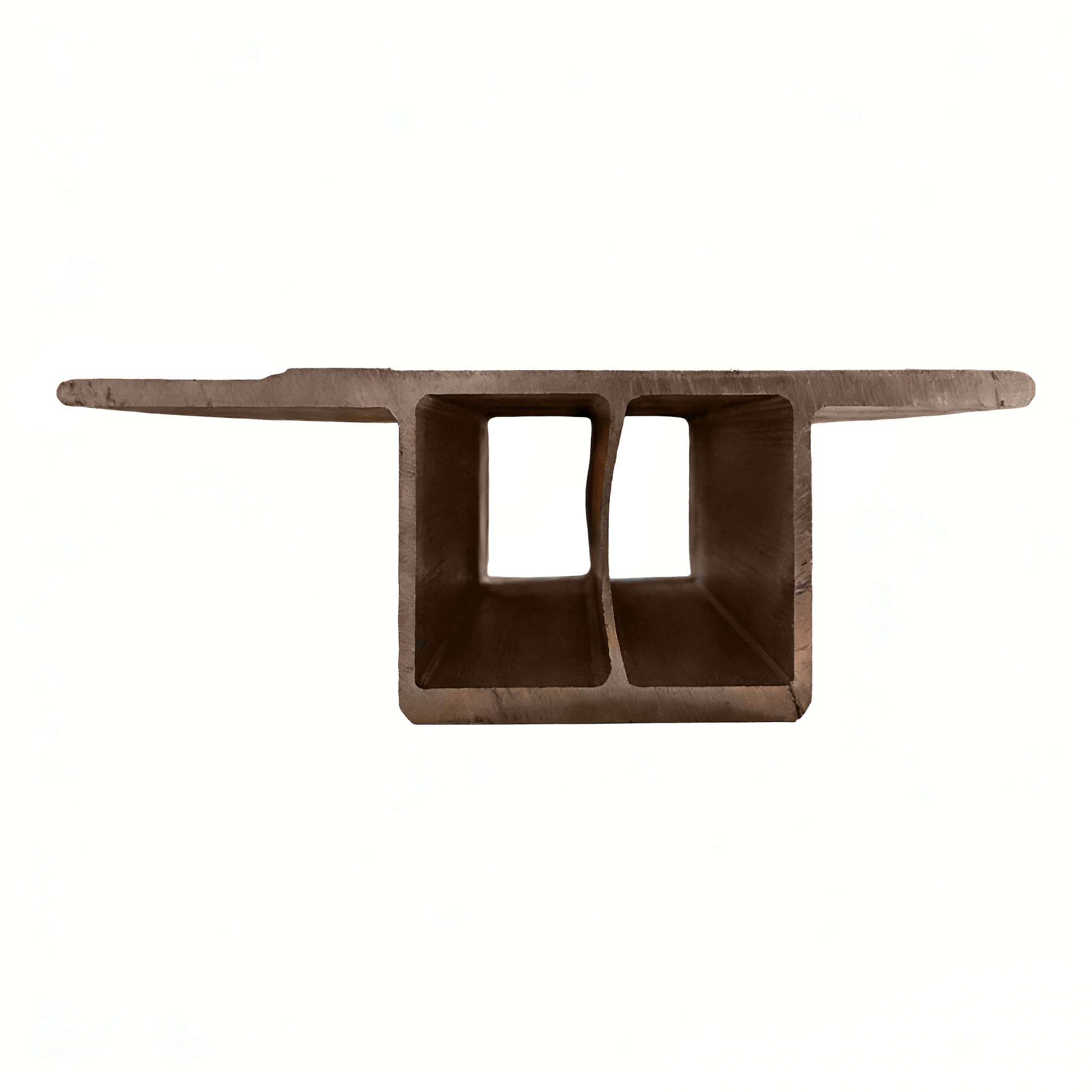
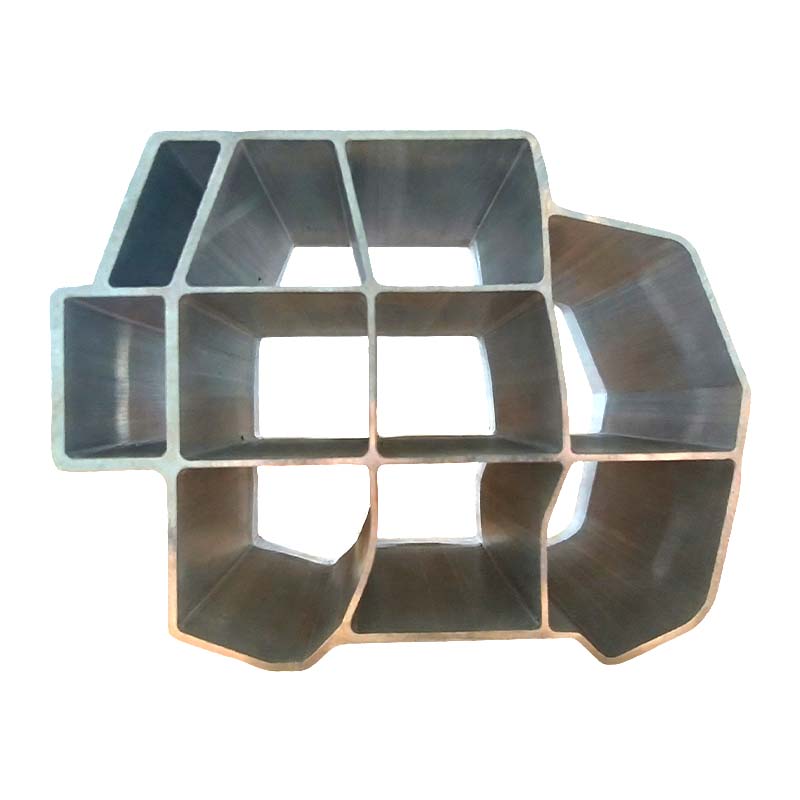
Aluminum offers an excellent strength-to-weight ratio. T-slot profiles further enhance this by optimizing cross-sectional geometry, allowing high load-bearing capacity with minimal material usage.
The T-slot structure enables easy assembly and reconfiguration without welding. This reduces production time by up to 40% and simplifies maintenance or upgrades.
Aluminum naturally forms an oxide layer, providing excellent corrosion resistance. This extends component lifespan, particularly in harsh environments such as coastal or high-humidity regions.
| Material | Weight | Strength | Corrosion Resistance | Manufacturing Flexibility |
|---|---|---|---|---|
| Steel | High | Very High | Low | Limited |
| Plastic Composites | Low | Moderate | High | Moderate |
| T-Slot Aluminum Profiles | Low | High | Very High | Excellent |
Engineers must calculate load distribution carefully. Profiles should be selected based on expected stress levels, especially in crash-related components where safety is critical.
Aluminum’s thermal conductivity is approximately 205 W/m·K, making it suitable for battery systems that require efficient heat dissipation.
T-slot profiles allow for bolt-based or sliding connections. This eliminates the need for welding and reduces assembly complexity while enabling modular upgrades.
The demand for lightweight materials is expected to grow significantly with the expansion of electric and autonomous vehicles. Advanced extrusion technologies are enabling more complex geometries, improving both performance and integration.
Industry projections indicate that aluminum usage in vehicles could increase by 25%–30% over the next decade, with T-slot systems playing a key role in modular manufacturing and rapid prototyping.
 +86-19156366875
 No. 1016, Baocheng Road, Economic and Technological Development Zone, Xuancheng City, Anhui Province, China
Copyright © Anhui Huilong Group Huilv New Material Technology Co., Ltd. All Rights Reserved
Aluminum Profiles Manufacturers