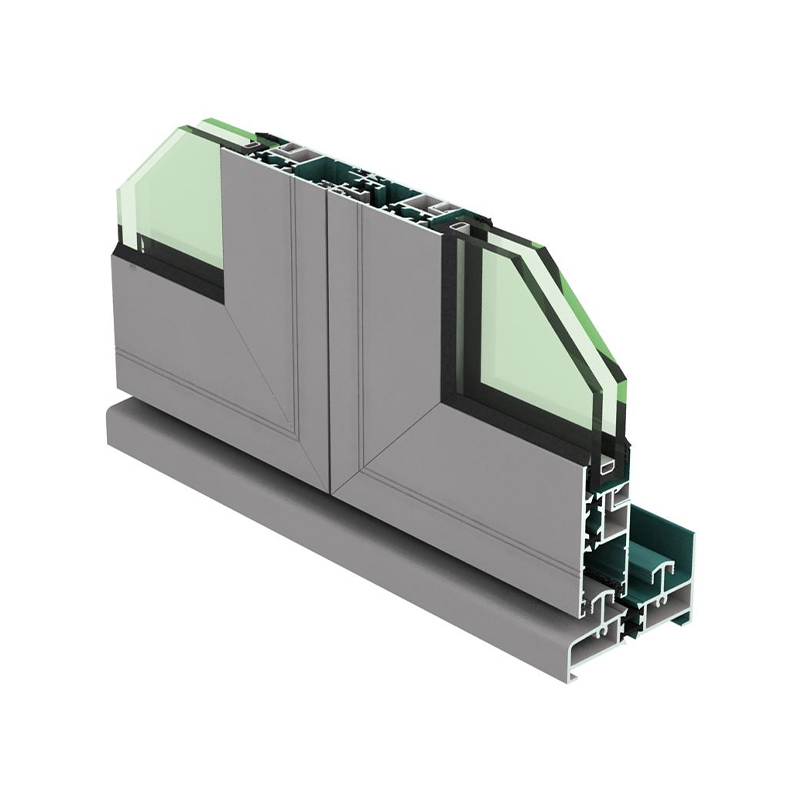
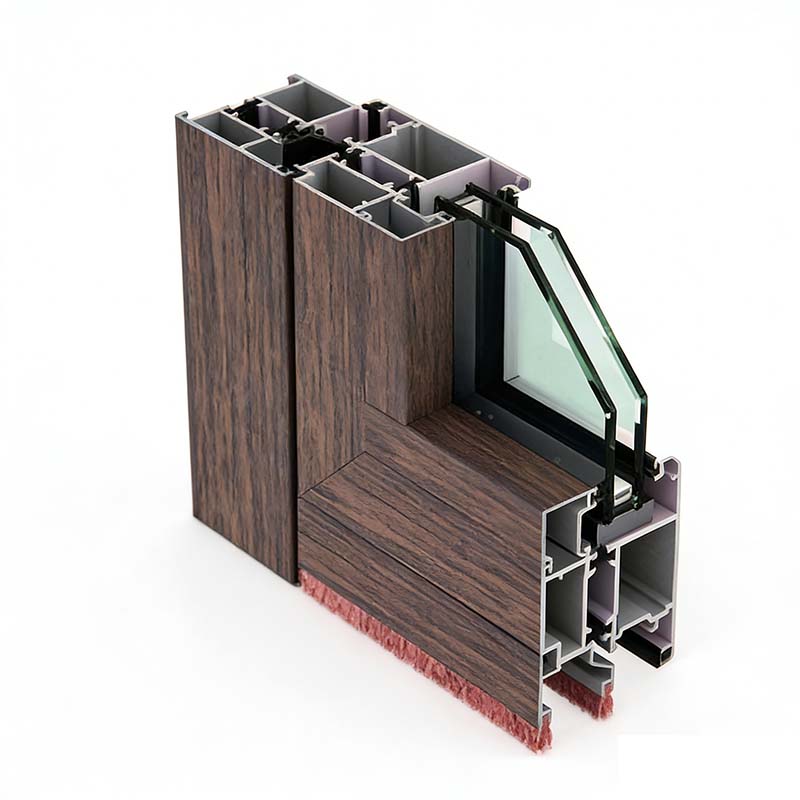
On the exterior of buildings, it might be one of the least noticeable elements; yet in daily home life, it fulfills core functions such as ventilation, lighting, viewing, and safety. Sliding windows, the most widely used form of doors and windows, is breaking away from the stereotypical image of traditional "iron windows" or simple aluminum alloy ones. Driven by multiple factors including materials, craftsmanship, and intelligence, it is undergoing a profound quality revolution and has quietly become a key component in enhancing the health and comfort of modern living.
Say goodbye to "making do", and welcome "practicality": A comprehensive leap in performance
The traditional sliding windows might only meet the basic requirements for sealing. They often suffered from poor sealing, resulting in energy loss, noise intrusion, and problems such as deformation and poor opening and closing after several years of use. However, the mainstream sliding window products nowadays have achieved comprehensive performance upgrades:
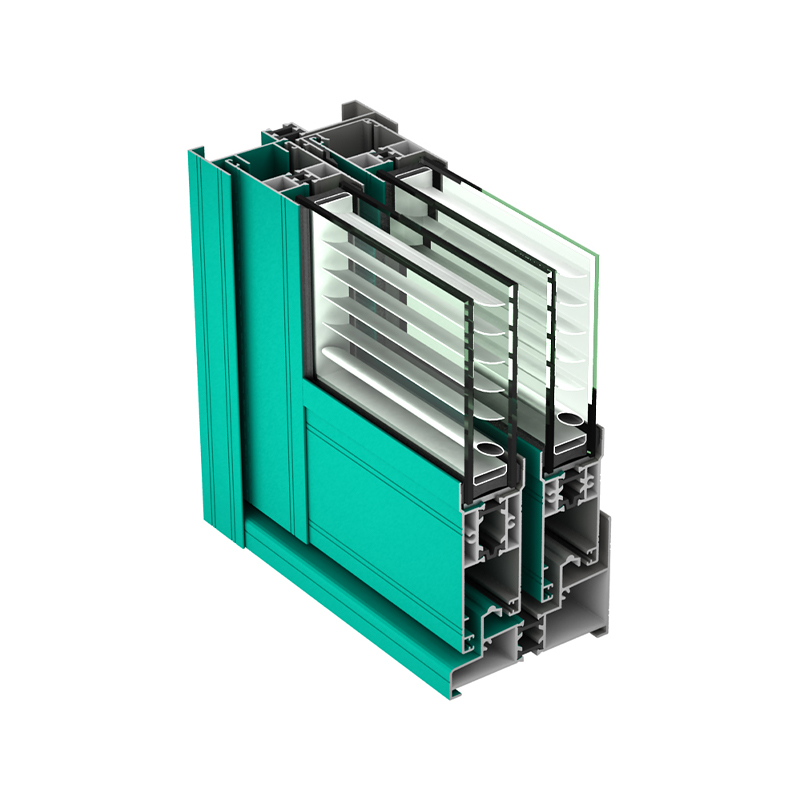
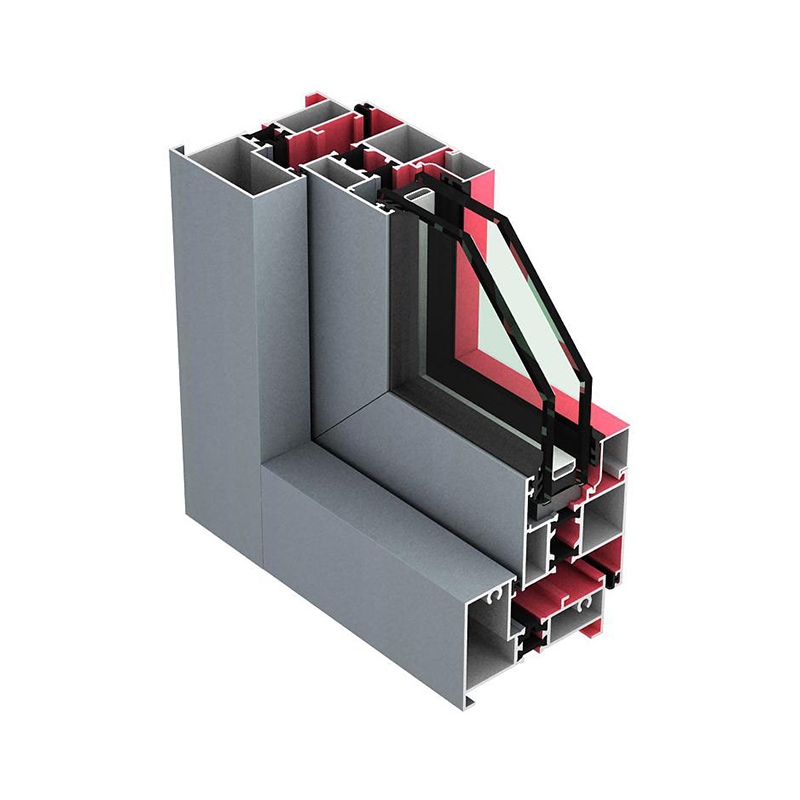
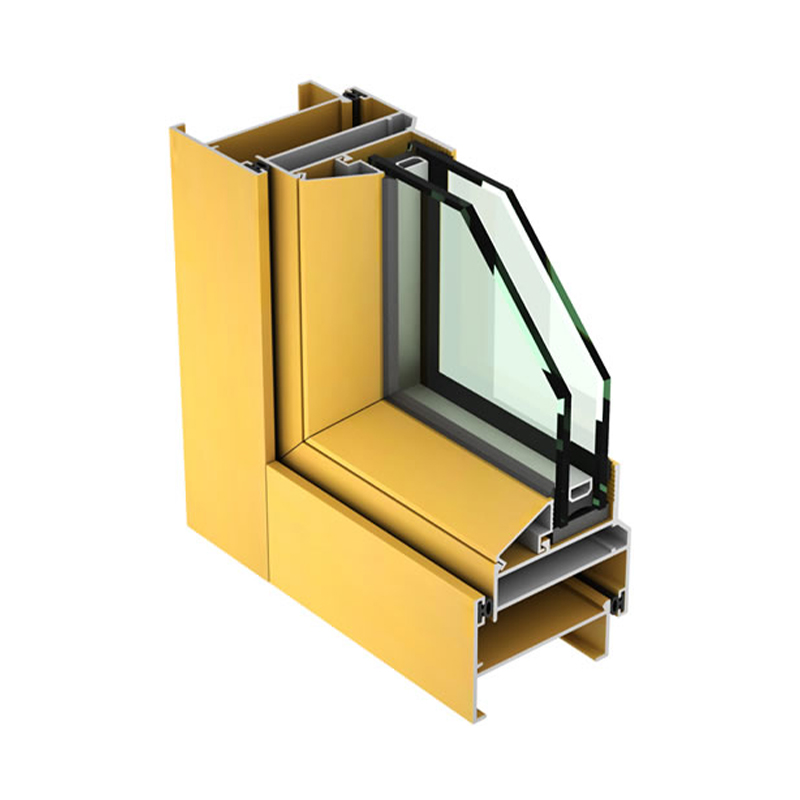
Energy-saving Pioneer: Utilizing multi-chambered insulated aluminum profiles, combined with insulating Low-E glass or even a three-pane two-chamber structure, it effectively blocks the transfer of heat between indoors and outdoors. Data shows that a high-performance insulated aluminum sliding window can reduce the energy consumption of home air conditioning and heating by over 30%, making it the "invisible guardian" of building energy conservation.
Silent Fortress: With its superior profile structure, multiple layers of sealing strips (usually three or more), and the damping effect of insulating glass, it can significantly reduce the infiltration of outdoor traffic and neighborhood noise, creating a peaceful resting area for urban families.
Security Protection: Standard features include high-strength hardware and anti-pickage slot designs. Some products have been upgraded to multi-point locking systems with locking points, significantly enhancing the security performance compared to traditional windows. Additionally, opening methods such as inward opening and inward tilting ensure adequate ventilation while completely eliminating the safety risks of falling objects from heights, making them particularly suitable for families with children.
Details reveal the essence: Humanized design enhances daily experience
Today's sliding window not only focuses on "high performance", but also deeply tailors the user experience in the details:
Flexible ventilation: The inward-opening and inward-tilting mode has become a standard feature for mid-to-high-end products. In the inward-tilting state, the air is gently exchanged above the window, preventing direct wind from blowing on people. Even in rainy weather, continuous ventilation can be maintained, achieving a perfect balance between ventilation, comfort, and safety.
Ultimate Vision and Minimalist Aesthetics: The narrow frame design is widely adopted, significantly reducing the visual obstruction of the window frame, providing a wider landscape view and stronger indoor lighting. The smooth and simple lines seamlessly blend with the modern home style, enhancing the overall aesthetic appeal of the building.
Intelligent Integration: Sliding windows are emerging as a new entry point in the smart home ecosystem. By installing intelligent modules, users can achieve functions such as remote control via mobile app, automatic window closing upon wind or rain detection, and interaction with indoor environmental sensors, enabling windows to possess the capabilities of "perception" and "thinking".
Market Observation: Upgraded Consumption Drives Industry Reorganization
As consumers' demands for living quality continue to rise, and with the increasing promotion of green building standards, the market for casement windows is showing a clear trend of "quality-oriented" and "differentiation". Price is no longer the sole decision factor; performance parameters, brand reputation, design details and after-sales service have become the key considerations. This has prompted many window and door enterprises to increase their research and development investment, driving the industry to transform from extensive processing to precision manufacturing and technology-driven development.
Industry experts point out: "A high-quality sliding window has evolved from a simple building component into a core product that affects the health, comfort and energy consumption of a residence. It represents the shift in users' demands from 'having windows available' to 'using good windows', and is a microcosm of the upgrading of home consumption."
It is foreseeable that with the advancement of materials science and the deep application of Internet of Things technology, casement windows will continue to evolve towards higher performance, greater intelligence and greater personalization. They will silently safeguard and shape a more beautiful modern living space. Choosing a good window is now becoming an indispensable important step in building an ideal home.
 +86-19156366875
 No. 1016, Baocheng Road, Economic and Technological Development Zone, Xuancheng City, Anhui Province, China
Copyright © Anhui Huilong Group Huilv New Material Technology Co., Ltd. All Rights Reserved
Aluminum Profiles Manufacturers